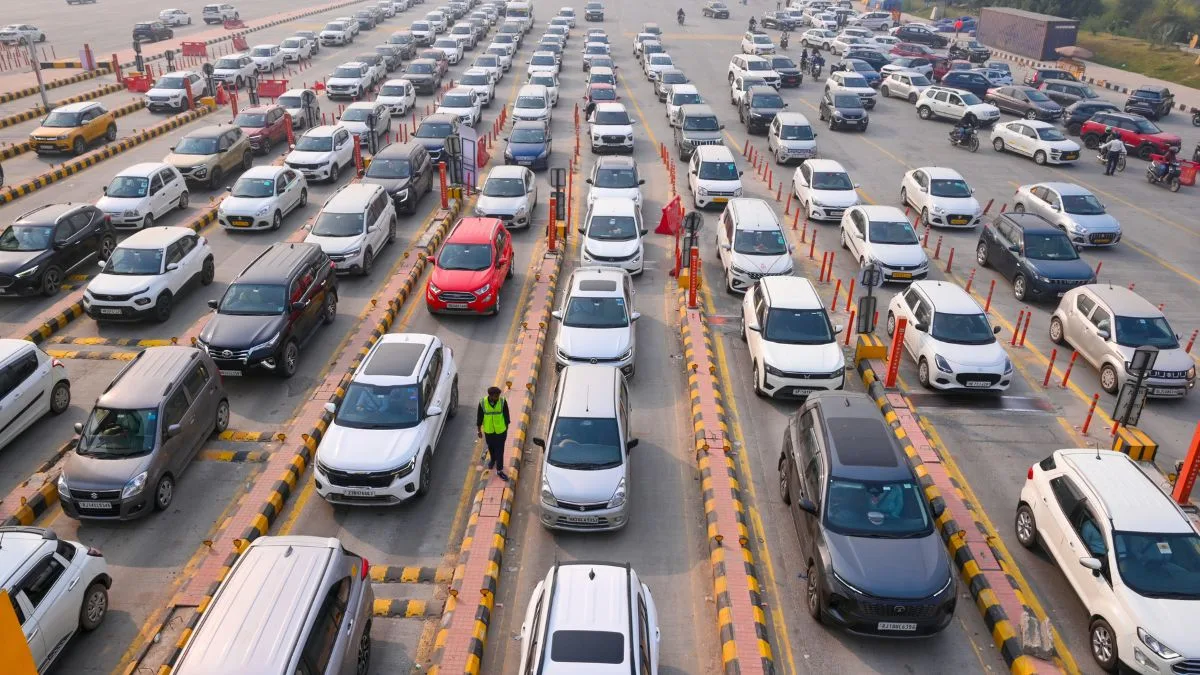
Delhi-NCR’s long-running struggle with fragmented transport planning may be approaching an institutional reset. The Delhi government has constituted a high-level task force to draft legislation for a unified metropolitan transport authority, signalling a shift towards integrated governance of buses, metro rail, suburban rail and last-mile services across the capital’s dense urban fabric.
The move comes amid rising congestion, worsening air quality and growing pressure on public transport networks as the National Capital Region expands outward. Senior officials involved in the process said the proposed Delhi Unified Metropolitan Transport Authority Bill is intended to bring multiple transport agencies under a single planning and coordination framework, addressing systemic inefficiencies that have persisted for decades. At present, Delhi’s mobility ecosystem is managed by a patchwork of departments and statutory bodies, each responsible for separate modes or jurisdictions. Urban planners say this has resulted in misaligned routes, poorly integrated interchanges, weak last-mile connectivity and duplicated infrastructure spending. The task force has been mandated to design a governance structure that aligns land use, transport investment and service delivery across agencies operating within Delhi and its wider NCR commuter belt.
The panel is chaired by the state’s top civil servant and includes senior representation from transport, finance, planning, public works and policing authorities, alongside institutions responsible for metro rail, city buses, regional rapid rail, municipal roads and railways. According to officials, the intent is to ensure that operational realities, funding mechanisms and enforcement challenges are addressed simultaneously rather than sequentially. A key pillar of the proposed framework is long-term financial sustainability. The draft law is expected to anchor a dedicated urban transport fund that can support capital investment, service integration and technology upgrades such as common ticketing systems. Transport economists note that predictable funding is essential for shifting commuters away from private vehicles, particularly in a region where daily cross-border travel between Delhi and neighbouring cities is rising sharply.
Environmental outcomes are also central to the redesign. Road transport remains a major contributor to particulate pollution in Delhi-NCR, and policymakers increasingly view public transport integration as a climate resilience measure rather than a standalone mobility project. Better coordination between metro corridors, bus networks and regional rail is expected to reduce duplication, shorten travel times and improve reliability critical factors in influencing commuter behaviour. The proposed authority will also be tasked with monitoring the city’s comprehensive mobility plan, resolving jurisdictional overlaps and coordinating with NCR institutions on inter-state routes.
Experts caution, however, that the success of the initiative will depend on the authority’s statutory powers, independence and ability to align incentives across agencies with differing mandates. The task force is expected to submit its draft within weeks, after which the legislative process will begin. For residents and businesses across Delhi-NCR, the outcome could determine whether the region’s transport system evolves as a connected public service or remains constrained by institutional silos as urbanisation accelerates.
Delhi NCR Pushes Unified Urban Transport Law