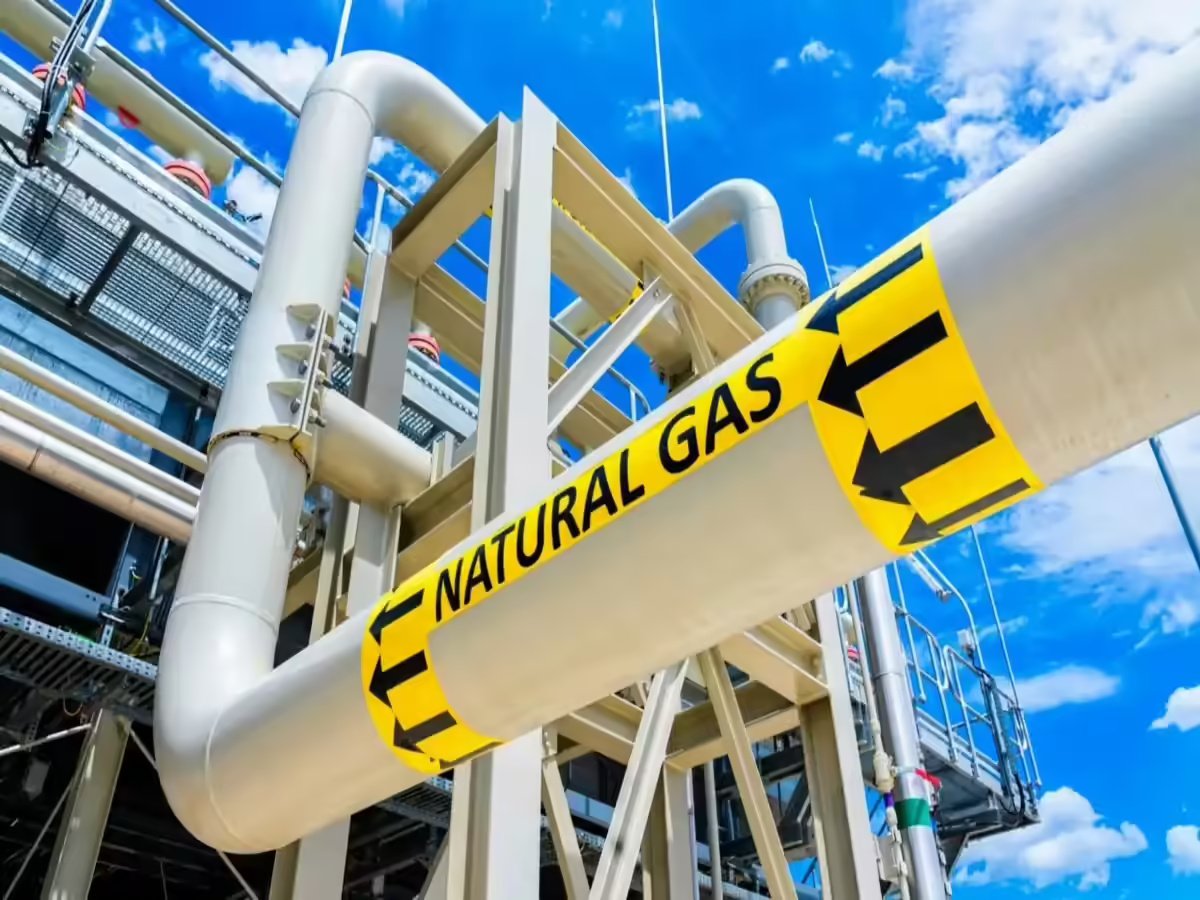
A rapid expansion of the Delhi NCR PNG Network Expansion programme is reshaping how households and businesses access cooking and commercial fuel across the National Capital Region, as the region’s leading city gas distributor accelerates the rollout of piped natural gas infrastructure. Officials overseeing the city gas network say installation of new piped natural gas connections has increased significantly in recent months, with thousands of households and commercial establishments being connected daily. The company now plans to scale up this pace further as part of a broader strategy to strengthen urban energy security and reduce dependence on liquefied petroleum gas supplies.
The push comes amid periodic disruptions in global LPG supply chains, which have exposed vulnerabilities in urban fuel distribution systems. By expanding the Delhi NCR PNG Network Expansion, authorities hope to provide a more reliable and continuously available energy source for residential kitchens, restaurants, and institutional facilities. Urban infrastructure experts say piped natural gas systems also align with broader sustainability goals for Indian cities. Unlike cylinder-based fuel distribution, PNG networks operate through underground pipelines, reducing transportation emissions and improving safety through regulated supply systems. As dense cities look to decarbonise essential services, natural gas infrastructure is often viewed as a transitional energy solution between conventional fossil fuels and cleaner alternatives. Commercial establishments have become a major focus of the ongoing Delhi NCR PNG Network Expansion. Food service outlets, small businesses, and public institutions such as police facilities are among those being prioritised for pipeline connectivity. Industry observers say the transition is particularly significant for restaurants and fast-food chains that rely heavily on consistent fuel supply for operations.
The expansion has also begun reaching high-density commercial districts in the capital that historically depended on cylinder-based fuel supply systems. Regulatory adjustments in some central business areas have allowed gas pipelines to be introduced into neighbourhoods previously restricted by infrastructure or safety regulations. These changes are expected to support broader adoption of piped gas in urban commercial hubs. According to industry estimates, the region’s city gas distribution network already spans tens of thousands of kilometres of underground pipelines across multiple states. In addition to supplying households and commercial establishments, the system also supports compressed natural gas refuelling infrastructure that fuels a large share of the region’s public and private transport vehicles. Urban planners note that energy infrastructure upgrades such as the Delhi NCR PNG Network Expansion play an important role in shaping resilient metropolitan systems. Reliable fuel supply affects not only households but also urban economies, especially in sectors such as food services, retail, and hospitality that depend on uninterrupted operations.
Looking ahead, the success of the expansion will depend on balancing rapid connectivity with safety standards, pipeline maintenance, and integration with future clean energy systems. As cities transition towards lower-carbon energy models, piped gas networks may serve as a critical bridge between conventional fuels and emerging renewable-powered urban infrastructure.