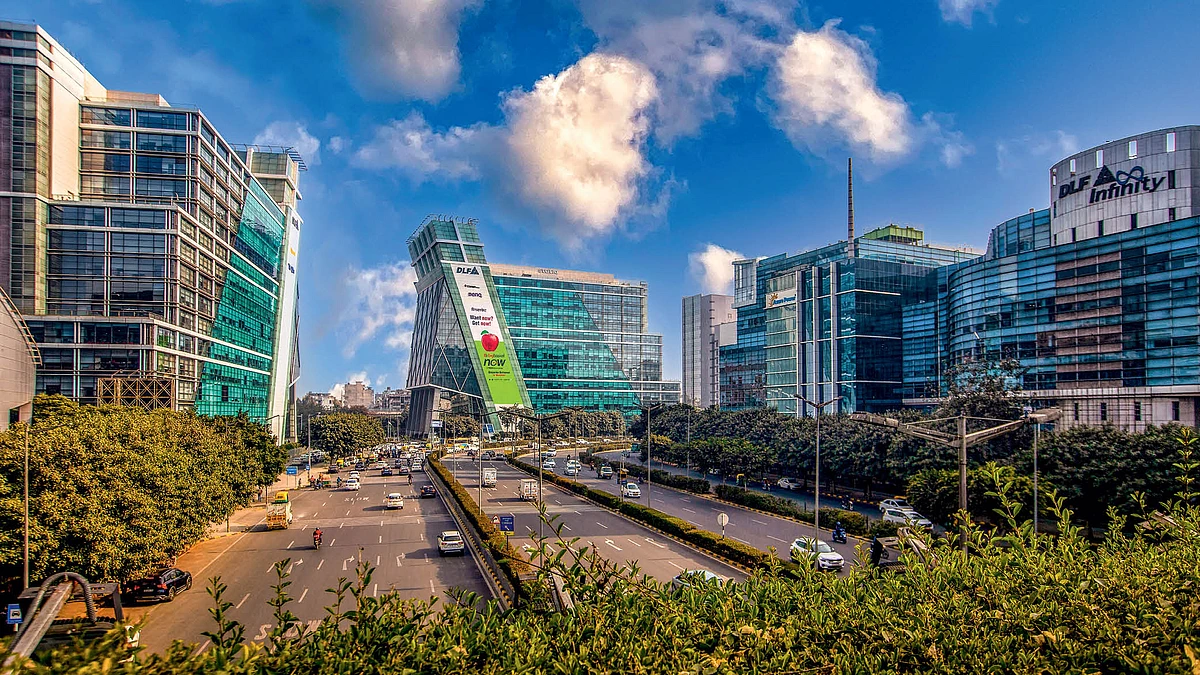
New Delhi — The investment narrative in Delhi NCR — long dominated by broad metropolitan supply and demand patterns — is increasingly being driven by discrete, infrastructure-linked micro-markets that are reshaping where capital flows, how buyers prioritise locations and what kinds of real estate assets attract long-term interest.
Industry analysis suggests that corridors aligned with major connectivity upgrades and urban amenities are outperforming traditional city-wide metrics, signalling a shift in investor psychology and urban growth logic. This emerging pattern is visible across multiple corridors in the region. Peripheral nodes such as the Dwarka Expressway, New Gurgaon and stretches along the Yamuna Expressway have seen disproportionate residential launches relative to more established clusters, driven by improvements in connectivity, affordability and proximity to employment and transport hubs. Data shows that these micro-markets accounted for a significant share of launches in late 2025, collectively outpacing many older, more central sectors.
Analysts describe this shift as a reaction to infrastructure visibility — not merely location branding. Investors now weigh physical progress on corridors such as expressways, metro extensions and airport linkages more heavily than traditional city-wide averages. That means localities with tangible connectivity upgrades — for example, metro feeder links or direct highways to employment clusters — are commanding price premiums faster than areas without such catalysts. This trend is reinforced by broader market data showing sustained demand in micro-zones that offer both residential supply depth and commercial proximity. Independent property trackers report that homebuyers and investors alike are increasingly choosing corridors where there is balance between housing stock and enterprise potential, rather than selecting city names alone as proxies for growth. Such shifts underpin an evolving understanding of real estate returns in India’s largest urban agglomerations.
The appeal of these micro-markets is also reflected in price performance. Research spanning the NCR and comparable metropolitan regions shows residential price appreciation rates rising by double digits in 2025, with infrastructure-linked locations often outperforming broader averages. This aligns with broader real estate investment trends across India, where capital inflows into top cities have jumped, and NCR continues to capture a meaningful share of domestic and institutional interest. But the micro-market phenomenon is not without nuance. Established premium enclaves within the NCR — such as historic south urban sectors — have also demonstrated resilience, attracting luxury buyers seeking lifestyle and legacy value even as peripheral corridors grow. That duality highlights how city-specific and micro-market dynamics can coexist within the same broader region, shaping different investment narratives for distinct buyer segments.
For urban planners and policymakers, this evolution has strategic implications. Infrastructure projects such as high-capacity road corridors, metro expansions and airport linkages are not just transport interventions but drivers of spatial economic patterns. Ensuring that connectivity improvements are paired with social infrastructure — schools, healthcare, public transport interfaces and green spaces — will be critical to sustaining long-term liveability and avoiding uneven growth pockets. At the same time, investors are increasingly using granular indicators — such as execution timelines, rental absorption data and proximity to employment hubs — to gauge real demand rather than rely solely on past price trends. This reflects a more informed investor base that prioritises functionality, accessibility and ecosystem strength over speculative appeal.
As the NCR’s real estate market matures, its micro-market architecture offers a blueprint for how infrastructure, urban planning and investor behaviour interlock — turning well-planned corridors into engines of sustainable city growth rather than mere extensions of urban sprawl.