India’s retail leasing activity slowed in the first quarter of 2026, with absorption across major urban centres constrained by a lack of new supply rather than weakening demand. The slowdown, observed across the country’s top eight cities, highlights a structural gap in the delivery of quality retail spaces even as consumer-facing businesses continue expansion plans.
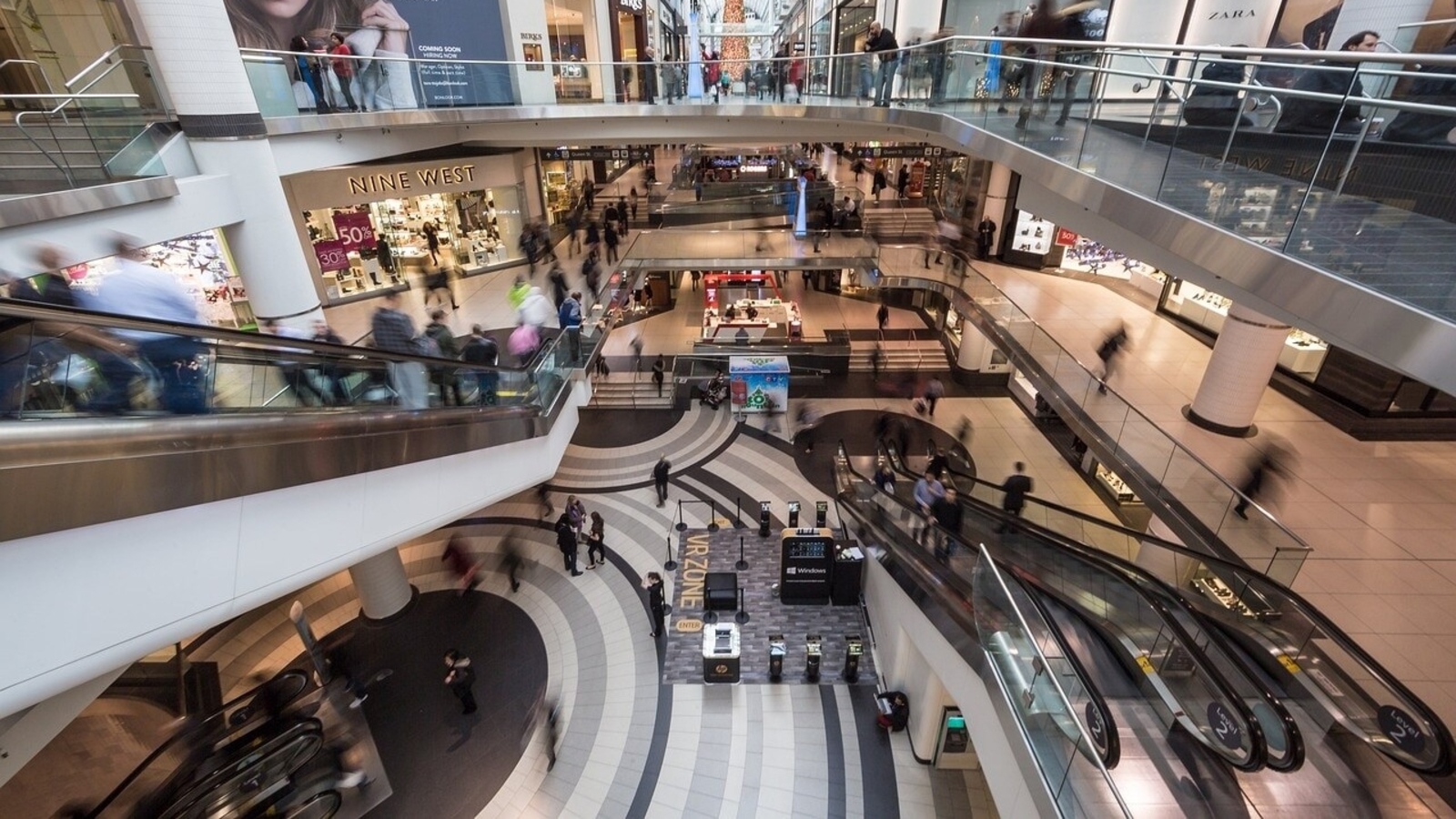
Industry estimates indicate that total retail leasing touched nearly 2 million square feet between January and March, marking a noticeable decline compared to both the previous quarter and the same period last year. Urban analysts attribute this moderation primarily to delayed mall completions and limited availability of Grade-A retail stock, especially in high-growth corridors. Despite the dip, India retail leasing trends point to sustained occupier interest. Retailers particularly in fashion and food and beverage segments continue to prioritise physical storefronts as part of omnichannel strategies. This is increasingly evident in premium malls, which are gaining traction over unorganised retail formats due to better infrastructure, higher footfall predictability, and improved energy efficiency standards.
High streets, however, remain a dominant force in urban retail ecosystems. Their continued relevance is tied to accessibility, mixed-use neighbourhood integration, and lower entry barriers for domestic brands. Urban planners note that such decentralised retail corridors contribute to walkable city design and reduce transport-related emissions, aligning with broader sustainability goals.Among cities, the Delhi-NCR region accounted for the largest share of leasing activity, followed by Hyderabad and Mumbai. These markets collectively drove a majority of demand, supported by population density, rising disposable incomes, and ongoing infrastructure upgrades. However, experts caution that without timely supply additions, these cities may experience upward pressure on rentals, potentially limiting entry for smaller or emerging retailers. Domestic brands dominated leasing activity, reflecting the strength of India’s internal consumption story. At the same time, international retailers are selectively expanding, particularly within organised retail environments where operational efficiencies and brand visibility are higher.
Vacancy levels across premium retail assets remain tight, signalling a landlord-driven market. In many prime locations, limited availability has led to modest rental growth, reinforcing the need for balanced supply pipelines. From an urban development perspective, this underscores the importance of integrating retail planning within larger transit-oriented and mixed-use projects. Looking ahead, the trajectory of India retail leasing will depend on how quickly new retail infrastructure is delivered and how effectively it aligns with evolving consumer behaviour. For cities, the challenge lies in ensuring that retail growth is not only commercially viable but also inclusive, energy-efficient, and embedded within resilient urban frameworks.