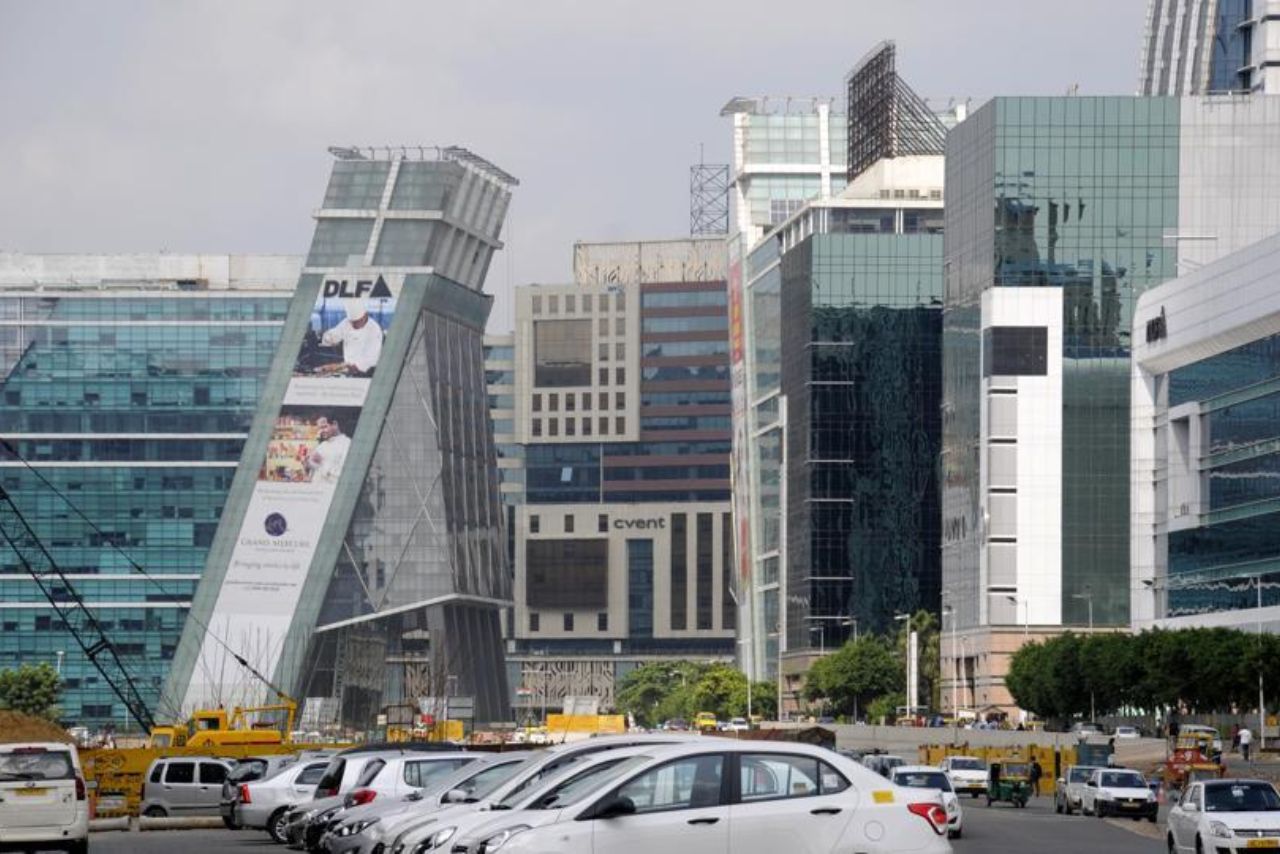
Delhi NCR is emerging as a powerhouse in India’s office real estate landscape in 2026, outpacing even some Asia-Pacific peers as occupier demand and leasing activity gather pace, according to industry observers.
The region’s performance is buoyed by an expansion of Global Capability Centres (GCCs), strong demand from multinational occupiers and sustained investor confidence, placing it at the centre of a broader commercial property resurgence in India. Despite lingering global economic uncertainties, India’s office leasing market has shown remarkable resilience, with 2026 expected to mark robust absorption and rental growth. The Delhi NCR cluster — encompassing Delhi, Gurugram, Noida and Greater Noida — has been a key contributor to this surge, helping drive the country’s outperformance against Asia-Pacific (APAC) markets. Analysts attribute this to deepening corporate engagement, especially from GCCs that are evolving from traditional back-office units into strategic innovation hubs.
Real estate research indicates that multinational firms are increasingly anchoring large footprints in prime office spaces across Delhi NCR, drawn by the region’s talent pools, connectivity and integrated infrastructure. Colliers India projects that GCCs — which blend technology, product development, analytics and digital transformation functions — could account for up to half of India’s office space demand in coming years. This structural shift highlights how global corporate strategy is reshaping occupier patterns. Sustained demand in Delhi NCR is reflected in leasing metrics and investor interest. Market data from the latter part of 2025 showed that Delhi NCR contributed a significant share of gross office leasing volume among Indian cities, standing alongside Bengaluru and Mumbai as the top destinations for corporate occupiers. Many firms are prioritising high-quality Grade-A buildings that support hybrid working models and state-of-the-art amenities, a trend analysts link to post-pandemic shifts in workplace preferences.
For local real estate stakeholders, this uptick provides opportunities to upgrade portfolios and pursue value creation. Developers are responding with larger floor plates, modern amenities and ESG-aligned buildings that appeal to both domestic occupiers and global enterprises. This, in turn, is helping raise average deal sizes and attract longer-term commitments, a positive signal for market stability. Nevertheless, the surge in office demand also highlights underlying challenges in urban infrastructure. For cities in the Delhi NCR region, sustaining rapid commercial growth will depend on continued investments in public transport, utility capacity and amenity-rich micro-markets that minimise commute times and enhance live-work synergies. Planners and policymakers are increasingly advocating integrated land-use frameworks that align office hubs with residential and mobility networks to manage congestion and environmental impact.
The leasing momentum in Delhi NCR comes amid broader shifts in global real estate, where occupiers are consolidating footprints in markets that offer a balance of talent access, cost efficiency and growth potential. India’s office sector, underpinned by GCC-led demand and resilient fundamentals, appears well-positioned in this context. For the Delhi NCR market, sustaining this trajectory will require continued alignment between infrastructure planning, workforce development and sustainable urban growth strategies — ensuring that rising office demand translates into long-term economic and social benefits.