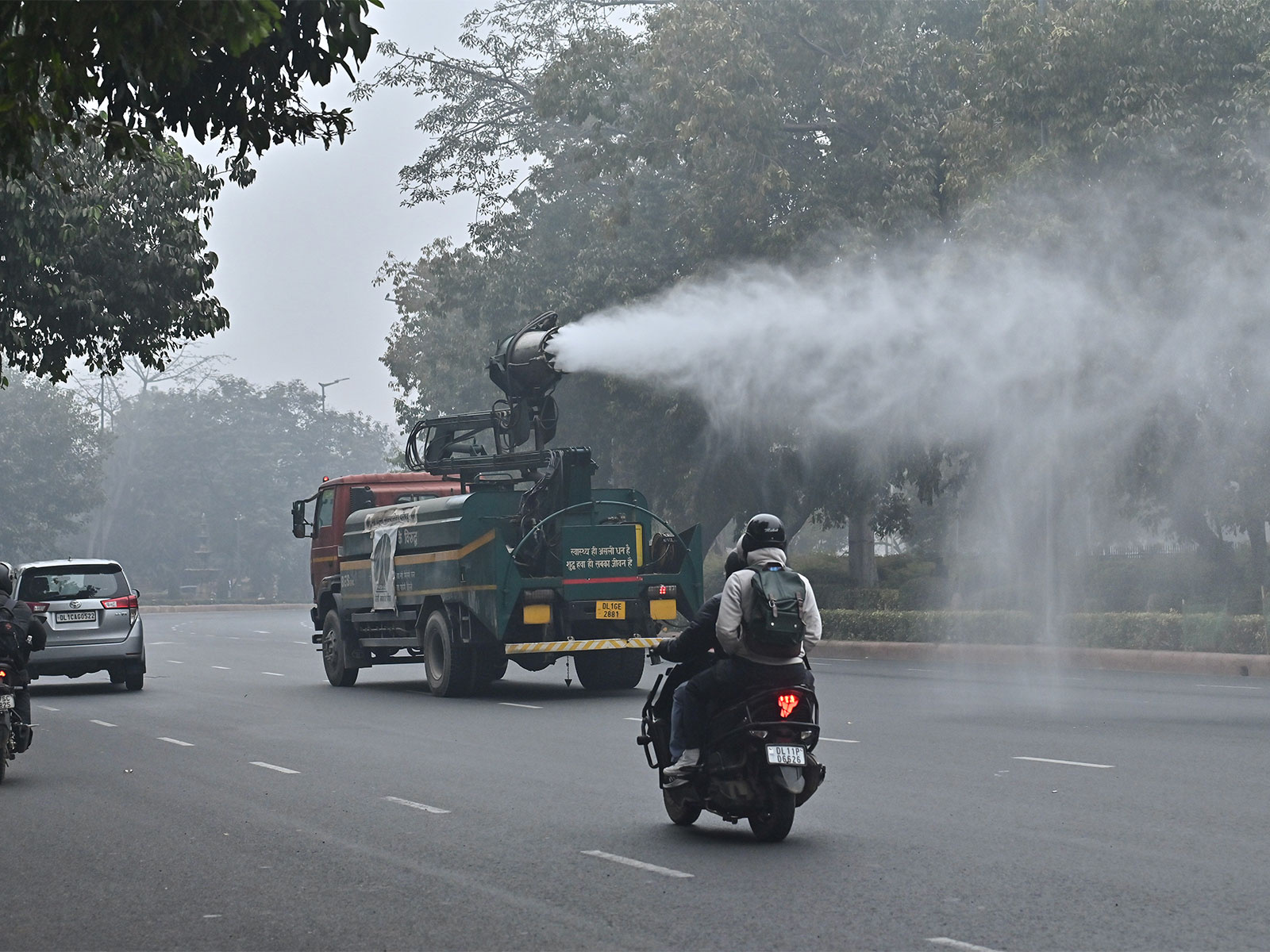
Delhi NCR Dust Mitigation Rules Tighten From April
Authorities in the National Capital Region are set to introduce a stricter regulatory framework for controlling construction-related pollution from April 1, signalling a renewed push to tackle one of the region’s most persistent sources of poor air quality. The updated dust mitigation measures aim to bring greater accountability to construction and demolition activities while aligning urban growth with environmental safeguards. The move comes as particulate pollution linked to construction dust continues to impact air quality across Delhi-NCR, particularly during dry and high-wind seasons. Urban regulators have identified gaps in enforcement of existing norms, prompting a more structured and technology-backed approach. The revised dust mitigation measures include mandatory installation of low-cost air quality sensors at project sites, along with physical interventions such as dust screens, wind barriers and water mist systems to suppress airborne particles.
A significant component of the framework focuses on the lifecycle management of construction and demolition waste. Municipal bodies and development authorities are being directed to establish decentralized waste collection and processing infrastructure, ensuring that no project operates without access to designated disposal points. The grid-based approach to waste facilities is expected to reduce illegal dumping and improve traceability. Urban planners say this marks a shift from reactive enforcement to systemic planning. Projects exceeding a defined built-up area threshold will now be required to declare anticipated demolition waste at the approval stage itself. This is likely to influence project design, logistics planning and cost structures in the real estate sector, where compliance is increasingly linked to project clearances and completion certifications. The regulatory framework also introduces digital oversight. Authorities are working towards an integrated online platform that will geo-tag waste collection centers and track transportation of debris through GPS-enabled systems.
Experts suggest that such measures could improve transparency and reduce leakages in waste handling, a long-standing challenge in rapidly expanding urban regions. For the construction industry, the changes may initially increase compliance costs, particularly for mid-sized developers. However, industry observers note that improved dust control can enhance worker safety, reduce project delays caused by regulatory action, and build long-term investor confidence in sustainable development practices. From a public health perspective, reducing dust emissions could have measurable benefits. Fine particulate matter generated from construction sites contributes significantly to seasonal pollution spikes, affecting respiratory health and overall urban liveability. By targeting these sources, policymakers are attempting to address pollution at its origin rather than relying solely on emergency measures.
As Delhi-NCR continues to urbanize at scale, the success of these dust mitigation measures will depend on consistent enforcement and coordination across multiple agencies. The coming months will test whether a combination of regulatory clarity, technology integration and on-ground monitoring can translate into cleaner air and more responsible urban expansion.