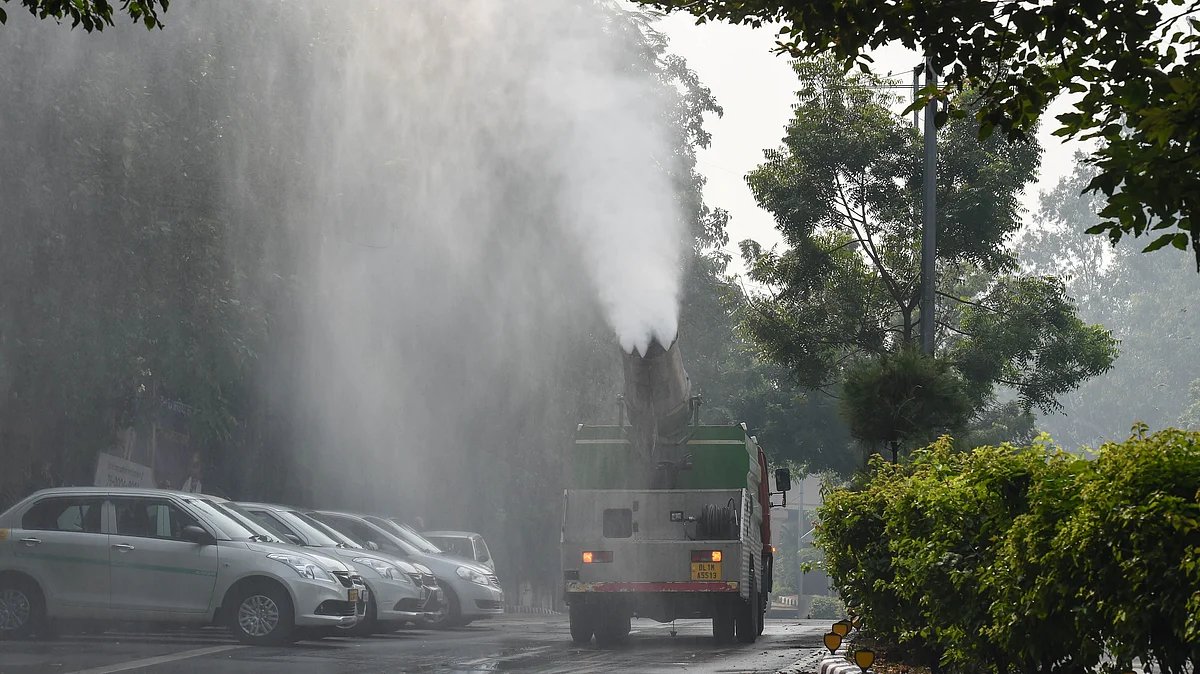
Authorities across the National Capital Region are preparing to enforce a stricter regulatory regime targeting construction-related pollution, combining tighter compliance rules with large-scale deployment of surveillance technology. The move, effective from early April, reflects a growing urgency to address dust emissions, a major contributor to deteriorating air quality in the region. At the core of the new framework are enhanced protocols for construction and demolition waste management. Projects above a specified size will be required to formally declare expected debris volumes and ensure disposal at authorised facilities. Urban regulators are also mandating that such facilities be accessible within a defined radius, aiming to curb illegal dumping and reduce transport-related dust emissions.
The updated Delhi NCR dust control rules link environmental compliance directly with project approvals. Developers will need to furnish verifiable documentation confirming waste disposal before receiving key clearances, including completion certifications. Industry observers say this introduces a measurable compliance mechanism, shifting environmental safeguards from advisory guidelines to enforceable conditions. However, infrastructure gaps remain a challenge. Several NCR jurisdictions currently lack adequate waste collection capacity, which could complicate implementation in the short term. Bridging this deficit will require coordinated action from municipal bodies and development authorities, particularly in rapidly urbanizing peripheral districts where construction activity is expanding. In parallel, the region is moving towards technology-led monitoring. Plans are underway to install tens of thousands of additional surveillance cameras across the capital, equipped with artificial intelligence capabilities. These systems are expected to track not only security concerns but also environmental indicators such as dust hotspots, roadside waste accumulation, and construction site compliance.
Officials indicate that the upgraded network will integrate features such as automated number plate recognition and real-time analytics into a centralized command system. By linking multiple agencies on a unified platform, authorities aim to enable faster detection of violations and more coordinated enforcement responses. Urban policy experts view this dual approach—regulation backed by digital monitoring—as a significant shift in how cities manage environmental risks. The Delhi NCR dust control rules could set a precedent for other metropolitan regions grappling with similar pollution challenges, particularly where construction-led growth is a key economic driver. At the same time, concerns remain around implementation capacity. Existing surveillance infrastructure has faced issues related to coverage gaps, data management, and cybersecurity. Upgrading these systems while ensuring reliability and privacy safeguards will be critical to the initiative’s success.
For residents, the combined measures could lead to gradual improvements in air quality, especially if enforcement remains consistent across jurisdictions. For the real estate sector, the changes signal a more structured compliance environment, where environmental performance is closely tied to project viability and timelines.
As the new framework rolls out, its effectiveness will depend on how well regulatory intent translates into on-ground execution. Strengthening institutional coordination and ensuring equitable enforcement across the NCR will be key to delivering cleaner, healthier urban environments.