Delhi NCR Cities Gain Climate-Ready Water and Sanitation Strategies
Delhi NCR — At the first Mumbai Climate Week, urban resilience advocates unveiled a new guidebook on climate-resilient water and sanitation services, offering a practical blueprint for local governments and city planners across the Delhi National Capital Region (NCR) and beyond to fortify essential public utilities against growing climate risks.
The publication — developed by the Center for Water and Sanitation (CWAS) at CEPT University’s Research and Development Foundation — aims to support equitable, resilient water systems that can withstand pressures from heat stress, flooding, and resource uncertainty as metropolitan populations climb. Titled Moving Towards Climate-Resilient Water and Sanitation Services, the guidebook was formally launched during a session at Mumbai Climate Week, with participation from regional climate and environment officials, international partners and WASH (water, sanitation, hygiene) specialists. It consolidates field-tested approaches for municipalities to integrate adaptive planning into core water supply and sanitation operations, while centring inclusivity and long-term viability. The guidebook’s utility is grounded in its emphasis on climate-responsive financing, water security and circular waste management practices, offering city authorities structured frameworks to manage water utilities in ways that survive extreme weather events and shifting hydrological trends.
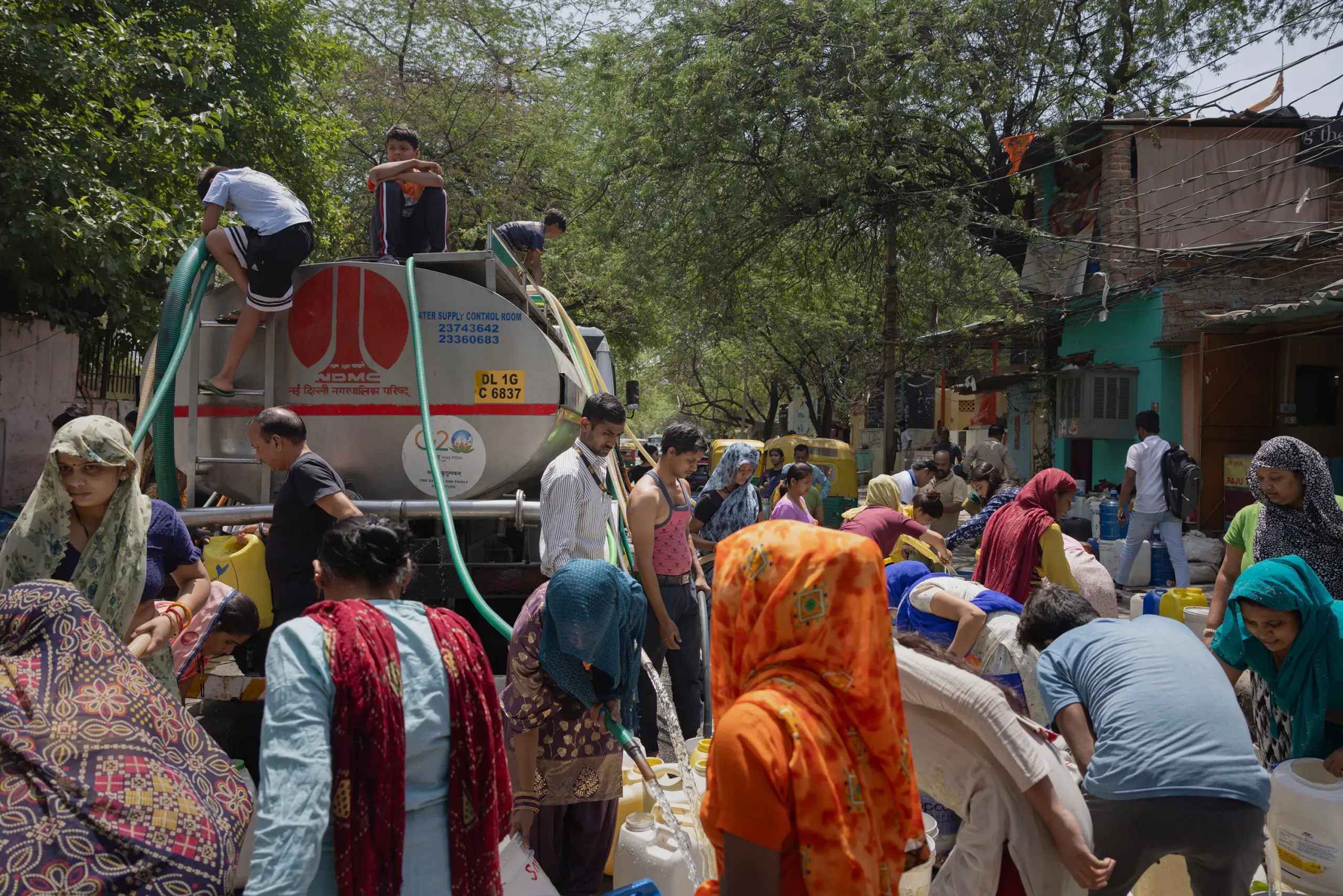
It also addresses energy transition within service systems, strategies for methane mitigation in wastewater treatment, and pathways to ensure access remains equitable in crowded urban environments. This development comes amid expanding pressure on the Delhi NCR’s water infrastructure, where rapid growth has strained supply networks and sanitation systems. Prolonged heatwaves, intense monsoon episodes and rising groundwater stress — all linked to climate change — have forced a re-examination of standard utility planning practices in Indian megacities. Integrating climate resilience into water and sanitation services is now widely recognised as a critical measure for public health, environmental sustainability and urban liveability. Urban development experts say that while many cities have historically managed water supply and sewage independently, the increasing frequency of extreme weather and demand surges calls for systems that can adapt dynamically to shocks without service breakdowns.
Tools like the CWAS guidebook help shift management from reactive spill response to proactive network resilience, ensuring that cities in the NCR can preserve service continuity amid cycles of stress. The guidebook was developed in partnership with the Majhi Vasundhara initiative under the Maharashtra Environment and Climate Change Department, combining policy insights with on-ground technical experience. It is intended as a ready-reference for municipal officials, planners, engineers and climate practitioners, enabling cities to tailor solutions to local conditions while aligning with national climate adaptation goals. For the Delhi NCR, where water and sanitation infrastructure is under significant demand pressures, the publication offers practical frameworks that break beyond traditional engineering responses. By weaving together climate adaptation, service equity and sustainable financing models, the guidebook lays a foundation for metropolitan regions to build future-ready water systems — an increasingly urgent priority as urban populations expand and climate extremes intensify.
Looking ahead, local bodies in the Delhi NCR are expected to explore the guidebook’s recommendations as part of broader climate action plans and municipal resilience strategies, potentially influencing budgeting priorities, infrastructure upgrades and community engagement practices in the years ahead.