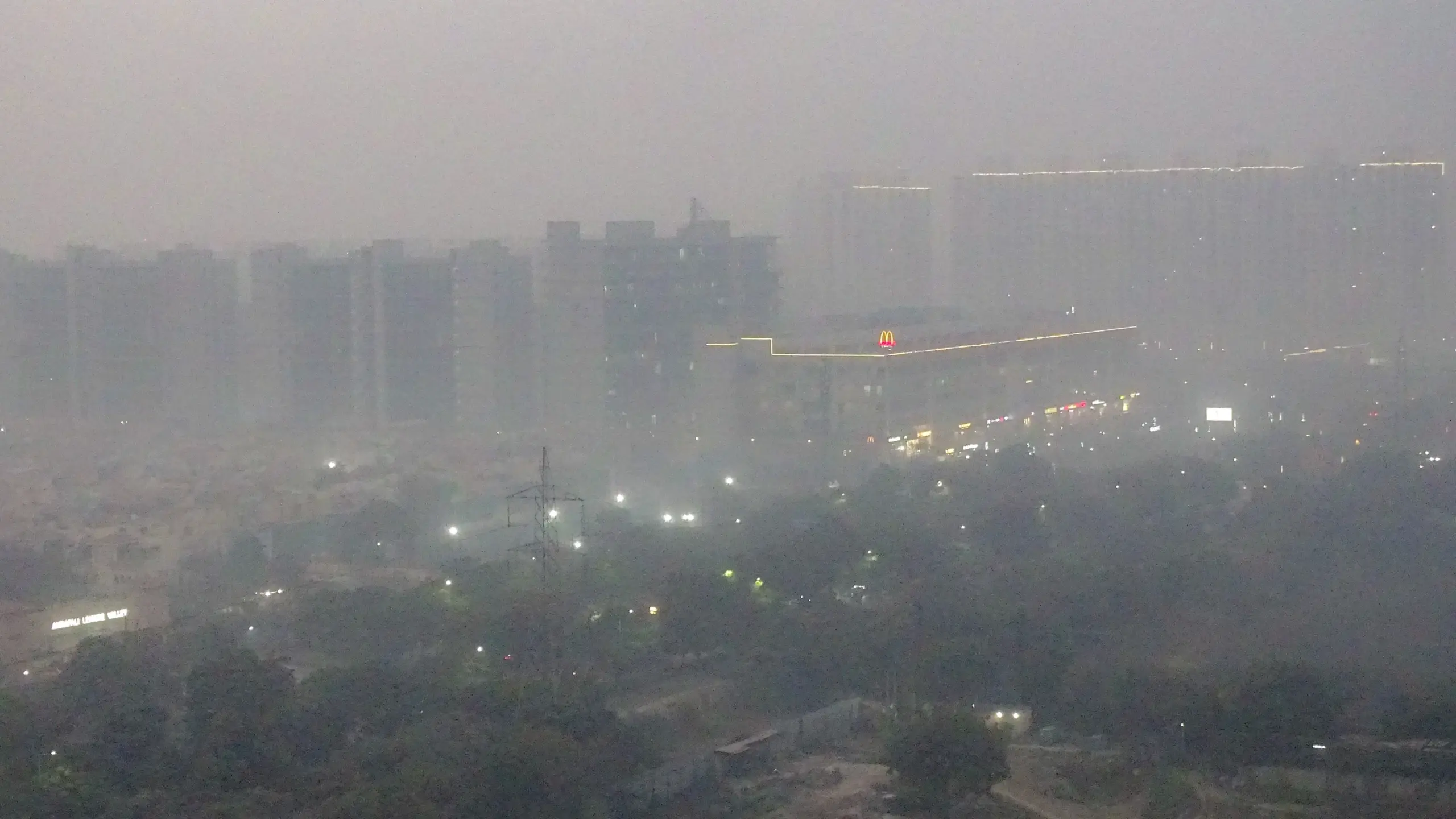
Delhi NCR Air Quality Push Includes Coal Industry Shift
Delhi NCR — In a decisive intervention aimed at tackling the region’s enduring air quality crisis, the Supreme Court of India has instructed key Union ministries to outline a comprehensive strategy for phasing out coal-based industries and relocating them out of the Delhi National Capital Region (NCR).
The direction comes as part of the court’s broader review of long-term measures to address persistent smog, particulate pollution and industrial emissions in and around the national capital. During proceedings on Monday, the bench — led by the Chief Justice — pressed the Ministry of Environment, Forest and Climate Change (MoEFCC), Ministry of Power, and Ministry of Petroleum and Natural Gas (MoPNG) to prepare and file a joint proposal detailing how coal-dependent industries can be systematically phased out and what alternative fuels or cleaner technologies could replace coal usage. The court also reviewed recommendations from the Commission for Air Quality Management (CAQM), including a suggested moratorium on establishing new coal-fired thermal plants within a 300-kilometre radius of Delhi. As part of this process, states adjacent to the NCR, including Uttar Pradesh, Haryana and Rajasthan, have been directed to publish public notices seeking stakeholder feedback — notably from the coal industry itself — on proposed shifts in fuel use and industrial footprints within the region.
The emphasis on coal phase-out reflects a growing consensus among environmental scientists and urban planners that industrial emissions remain a significant contributor to Delhi’s toxic air cycles, particularly when compounded by vehicular emissions, dust from construction and the seasonal burning of crop residues. The Supreme Court’s involvement underscores the complexity of addressing these factors within a heavily industrialised and densely populated mega-region while balancing economic activities. The relayed orders require state agencies to compile “Action Taken Plans” detailing public responses and proposed implementation pathways ahead of the next hearing scheduled for March 12 2026. Officials will need to weave together multi-sectoral insights — spanning alternative energy potentials, worker transition frameworks and industrial compliance pathways — to present a unified front on pollution control.
Industry analysts suggest that any shift away from coal would have profound implications for sectors operating within the NCR, particularly those oriented around cement, bricks and small-scale utilities that rely on coal for heat and power. Transition planning will need to address both economic continuity and employment resilience by identifying feasible alternatives such as gas, renewables, or electrified processing technologies that could sustain production without compromising air quality goals. Urban health researchers have repeatedly linked high levels of particulate matter (PM2.5) and nitrogen oxides (NOx) to coal combustion emissions, both key drivers of respiratory and cardiovascular diseases among millions of residents across Delhi, Noida, Gurugram and neighbouring districts. The court’s prompt for a detailed phase-out plan highlights a shift beyond emergency emissions curbs toward structural, long-term environmental governance reforms.
While the proposal stage marks an early step, the direction sets a powerful precedent in positioning regulatory and judicial mechanisms as co-drivers of sustainable development in the NCR. As the nation’s capital region grapples with the intertwined challenges of economic growth and climate resilience, forthcoming policy pathways could offer a model for other Indian metropolises confronting industrial pollution legacies.