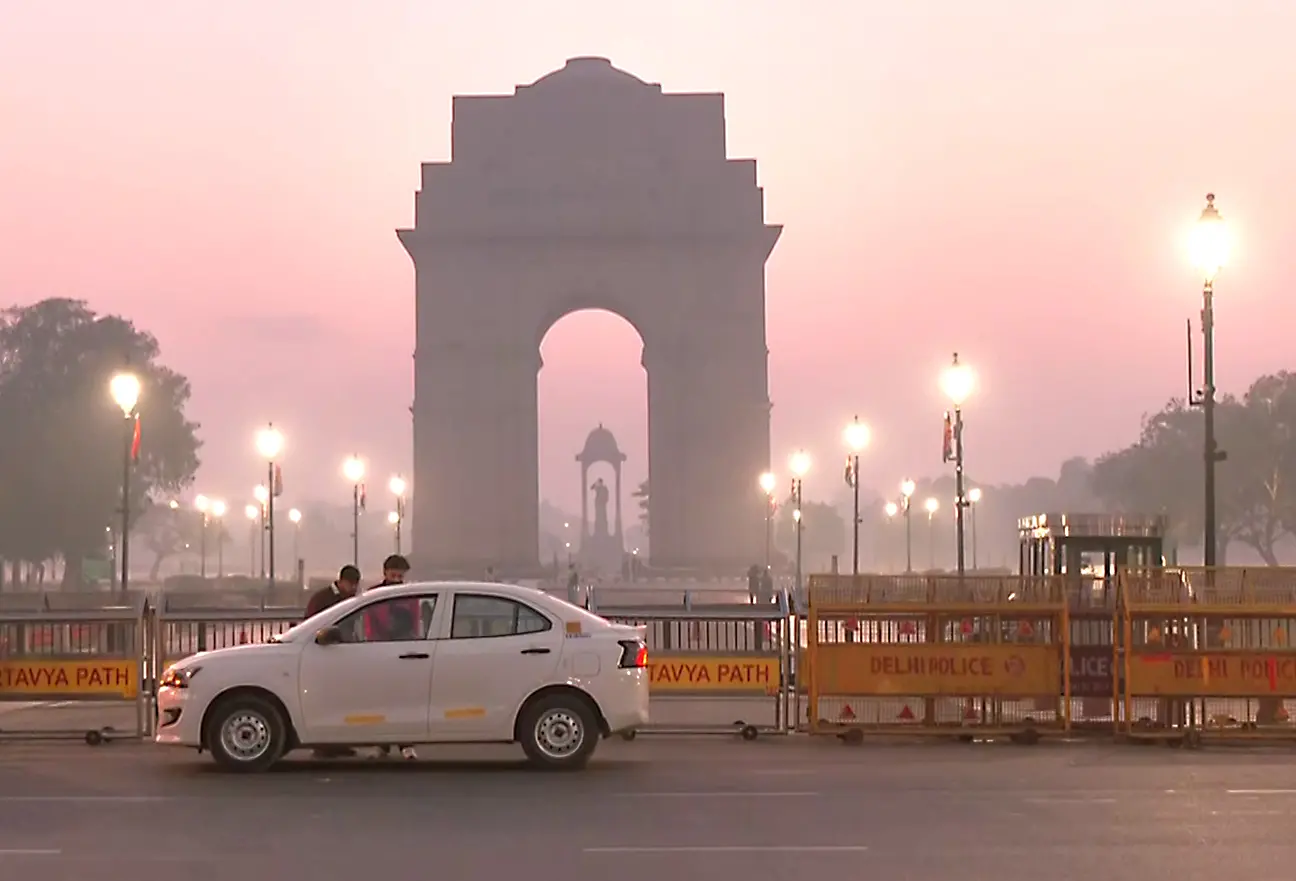
Delhi NCR Air Quality Improves After Rainfall Event
Air conditions across Delhi NCR have shown a marked improvement following recent rainfall and wind activity, with the Delhi NCR air quality shifting into more favourable categories across several monitoring locations. The change offers temporary respite for residents while highlighting the strong link between weather patterns and pollution dispersion in one of the world’s most polluted urban regions. Data from official monitoring networks indicate that a majority of stations across Delhi recorded air quality levels within the “satisfactory” band, with some locations approaching cleaner thresholds. However, pockets of moderate pollution persist in industrial and high-density areas, reflecting uneven distribution of emissions and localised environmental stress.
Neighbouring urban centres, including Noida and Ghaziabad, also reported improved readings, suggesting a region-wide atmospheric shift rather than isolated gains. Environmental analysts attribute this to precipitation and wind speeds that help disperse suspended particulate matter, effectively clearing the lower atmosphere. While the improvement in Delhi NCR air quality is notable, experts caution that such changes are often short-lived. Weather-driven gains do not address structural sources of pollution, including vehicular emissions, construction dust, and industrial output. As temperatures begin to rise again in the coming days, there is potential for pollutant concentrations to increase unless sustained mitigation measures are in place. From an urban planning perspective, the episode underscores the importance of integrating climate-responsive strategies into city design. Measures such as green buffers, dust control at construction sites, and improved public transport networks can help reduce baseline pollution levels, making cities less dependent on favourable weather for clean air.
The impact extends beyond environmental health to economic and social dimensions. Improved air quality can enhance workforce productivity, reduce healthcare burdens, and improve overall urban liveability—factors that influence investment patterns and real estate demand. Conversely, fluctuating pollution levels can create uncertainty for businesses and residents alike. Meteorological projections suggest that intermittent cloud cover and light rainfall may continue in the near term, potentially sustaining better air conditions for a short period. However, experts note that without long-term emissions control, such improvements will remain episodic. Urban policy observers highlight that consistent monitoring and data transparency are critical to managing air quality in large metropolitan regions like Delhi NCR. Real-time data not only informs public behaviour but also supports targeted interventions by civic authorities.
As cities across India confront the dual challenges of rapid urbanisation and climate variability, the recent shift in Delhi NCR air quality serves as a reminder of both the potential for quick environmental recovery and the limitations of relying on natural factors alone. Sustained improvements will depend on systemic changes in how urban infrastructure, mobility, and industrial activity are planned and regulated.