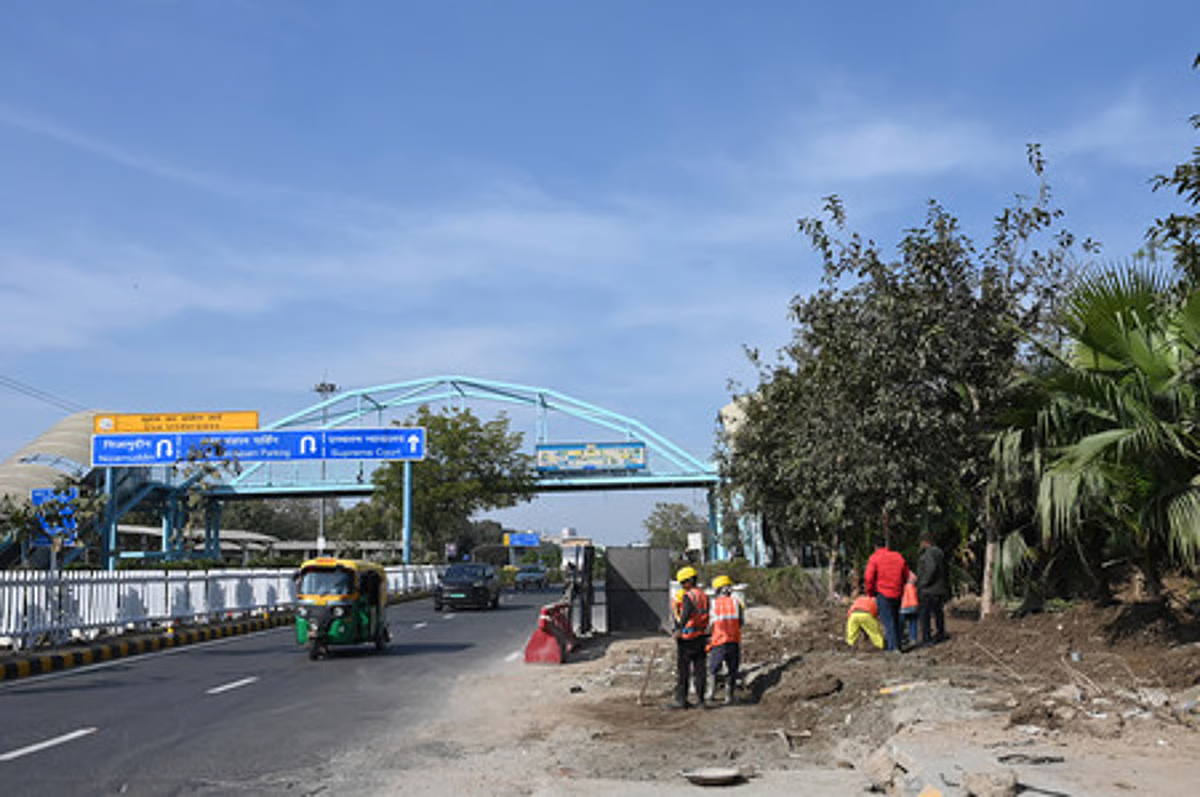
Delhi Moves To Upgrade 241 Roads With ₹802 Crore Plan
The Delhi government has approved a comprehensive ₹802.18 crore road redevelopment programme aimed at renovating more than 241 major stretches across the capital by the end of 2026, marking one of the largest systematic road improvement drives in recent years.
The initiative, led by the Public Works Department (PWD), will cover nearly 400 km of road across 45 constituencies, with a focus on enhancing durability, drainage and surface quality to ensure long-term service life and reduce recurring maintenance burdens. Rather than relying on fragmented patch repairs — a practice that often leads to early deterioration — the administration has adopted a “wall-to-wall carpeting” approach. This means resurfacing and strengthening the entire width of each identified road stretch, a method expected to yield stronger pavement structure and mitigate common issues such as potholes, waterlogging and pavement raveling. The phased execution is designed to limit traffic disruptions during construction work, which will be coordinated to maintain commuter flow wherever possible. The majority of the funding, approximately ₹643.36 crore, will be drawn from the Central Road Infrastructure Fund (CRIF), with the remaining ₹158.82 crore provided by the Delhi government — reflecting a Centre-State partnership in urban infrastructure enhancement.
Officials say technical assessments of each road’s base layer, proper strengthening, drainage improvements and final carpeting will adhere to prescribed engineering standards, which should also help reduce dust emissions from damaged surfaces — a notable concern in the capital’s broader environmental management strategy. Urban transport planners see this move as more than a cosmetic repair effort. Delivering resilient road surfaces has direct implications for traffic flow, vehicle operating costs and urban road safety. Uniform, well-carpeted roads can improve vehicular ride quality, reduce wear and tear on private and commercial vehicles, and decrease incidences of accident-related surface defects — benefits that extend to freight mobility and logistics efficiency across the city. The plan’s emphasis on improved drainage also ties into broader climate resilience goals, where waterlogged stretches have historically hampered mobility during monsoon months and contributed to road damage cycles.
Equally, the project’s timing dovetails with a suite of other civic infrastructure upgrades, from sanitation and municipal road repairs to expanded electric vehicle corridors and public transport enhancements. While focused on surface rehabilitation, the programme also signals an emerging trend in Indian cities toward methodical infrastructure modernisation rather than reactive fixes. This reflects a strategic pivot in urban planning to prioritise durable assets and improve overall urban service delivery. Nevertheless, delivery challenges lie ahead. Effective execution will hinge on robust contractor management, quality assurance mechanisms and resilient drainage integration. Maintaining traffic flow during works, while executing full-width resurfacing, will require calibrated project planning and communication with commuters to mitigate inconvenience.
As the 2026 deadline approaches, government officials say progress will be routinely monitored to ensure timelines and quality standards are met, aiming to leave Delhi with a more durable, safer and environment-friendly road network.