


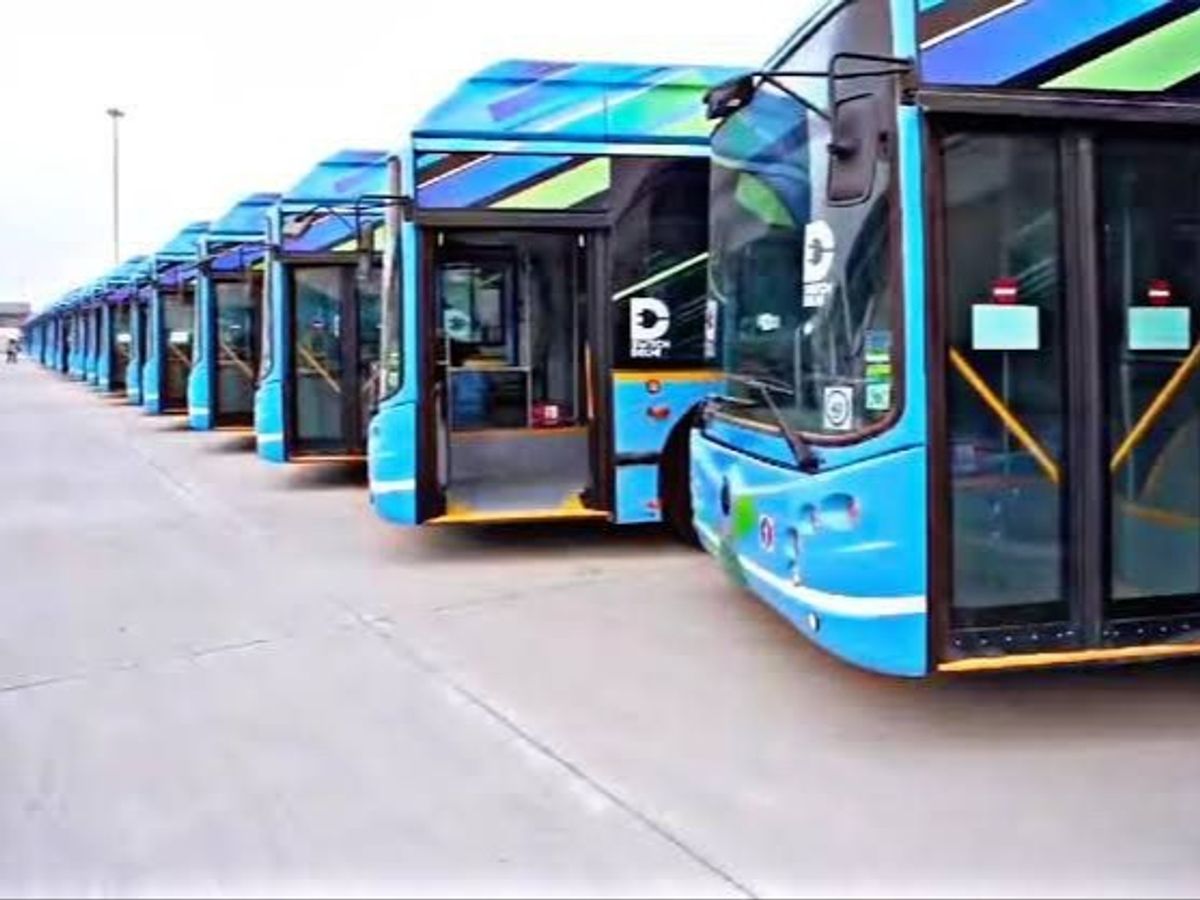
Delhi is set to retire 2,743 compressed natural gas (CNG) buses by August 2031 as part of a long-term shift towards a fully electric public transport system. Officials from the transport department highlighted that future bus procurements will exclusively focus on electric vehicles, marking a decisive step towards sustainable and low-carbon urban mobility in the national capital.
Currently, the city operates 5,691 buses, including electric models, against a target of 11,000, equally shared between the Delhi Transport Corporation (DTC) and private cluster operators. Of these, 993 are DTC-run CNG buses and 1,750 operate under private clusters. Officials explained that DTC buses, over a decade old, will be phased out by FY27, while cluster CNG buses are scheduled for retirement by August 2031. Authorities emphasised that no funds have been released for new CNG bus procurement in the last five years, reinforcing Delhi’s commitment to a cleaner, electric-only fleet. Transport experts note that retiring ageing CNG buses—many originally procured ahead of the 2010 Commonwealth Games—will improve operational efficiency, reduce urban emissions, and align the city’s transport network with climate-friendly objectives.
The transition is also part of a broader strategy to modernise Delhi’s public transport. All new cluster buses are now being introduced under the Gross Cost Contract (GCC) model managed by the transport department, ensuring predictable costs and efficient service delivery. Analysts indicate that this move will help the city reduce traffic-related air pollution while providing equitable access to cleaner, low-emission commuting options for residents across Delhi. Urban mobility officials stated that electric buses offer multiple benefits, including lower greenhouse gas emissions, reduced noise pollution, and improved energy efficiency. By progressively replacing CNG buses with electric vehicles, the city expects to strengthen its role as a model for sustainable urban transport while meeting growing commuter demand in a rapidly expanding metropolitan area.
Experts also highlighted that an all-electric fleet could serve as a benchmark for other Indian cities pursuing carbon-neutral public transport solutions. With increased adoption of electric buses, Delhi aims to improve air quality, promote gender-neutral and safe mobility, and create an inclusive transit ecosystem that prioritises environmental sustainability without compromising commuter convenience. The phased withdrawal of CNG buses and expansion of electric buses underscores Delhi’s commitment to long-term environmental goals. Officials assert that while the transition will take time, the move is essential for reducing the city’s carbon footprint, improving urban air quality, and delivering a safer, greener, and more reliable public transport system for all residents.
Also Read : Kochi Metro Phase 2 Bids Invited for Station Access Works
