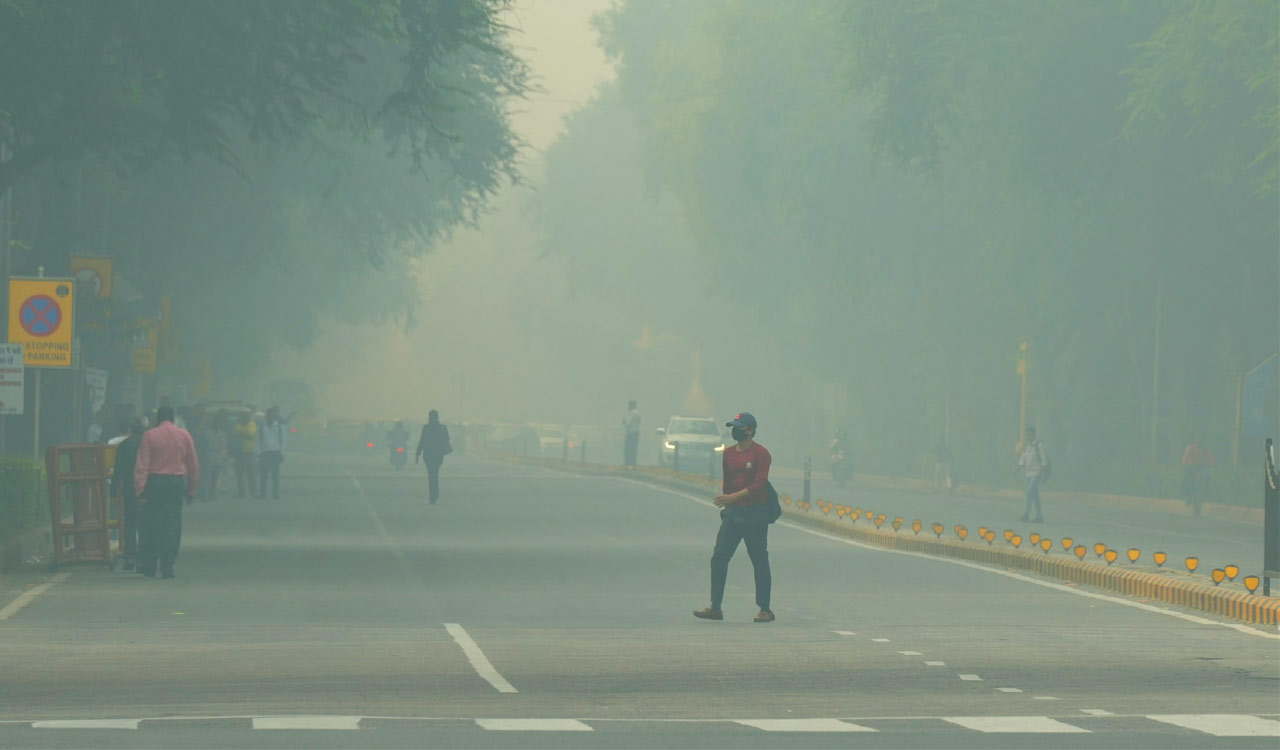
Delhi Monsoon Covers Deficit As Air Quality Index Hits 79
The National Capital Region has experienced a significant environmental uplift as recent short but intense rain spells, coupled with gusty winds, have effectively covered the monsoon deficit and dramatically improved air quality. This meteorological phenomenon, a confluence of a monsoon trough, an active western disturbance, and a low-pressure system, has brought much-needed respite, pushing the city’s Air Quality Index (AQI) back into the ‘satisfactory’ category and reinforcing Delhi’s journey towards a more sustainable urban future.
Following an ‘orange’ and subsequently ‘red’ alert issued by the India Meteorological Department (IMD), parts of the city witnessed substantial rainfall on Sunday evening. Key monitoring stations reported notable precipitation, with Safdarjung recording 10.1mm and Maidan Garhi receiving 13.6mm between 5:30 PM and 8:30 PM. These showers, accompanied by strong winds reaching speeds of up to 57 km/hr at Pragati Maidan, played a pivotal role in cleansing the atmosphere and mitigating pollutants that often plague the urban environment.
The cumulative effect of rainfall over the past four days has successfully brought Delhi’s overall monsoon precipitation into the ‘normal’ category. IMD data indicates that the city has received 117.8mm of rainfall between June 1 and July 12, nearing the normal benchmark of 126.3mm. This crucial replenishment of water resources is vital for the city’s ecological balance, supporting urban green spaces and contributing to a healthier microclimate, which are foundational elements of eco-friendly and resilient cities.
The immediate and tangible benefit of this meteorological shift is the marked improvement in Delhi’s air quality. The city’s 24-hour average AQI plummeted to 79 on Sunday, a significant improvement from the ‘moderate’ reading of 105 observed on Saturday. Clean air is not merely an environmental metric; it is a fundamental pillar of public health and urban equity. Improved air quality ensures that all residents, irrespective of their socio-economic standing, can engage in outdoor activities without undue health risks, fostering a more inclusive and gender-neutral urban lifestyle.
Looking ahead, the IMD has forecast continued light to moderate showers for Monday, with patchy rain expected through Saturday. This sustained precipitation is crucial for maintaining the improved air quality levels and further alleviating any lingering water stress. Such natural interventions underscore the importance of robust environmental policies and sustainable urban planning that work in tandem with natural cycles to create cities that are not only economically vibrant but also ecologically sound and socially equitable. The recent monsoon activity serves as a timely reminder of nature’s profound impact on urban well-being.