


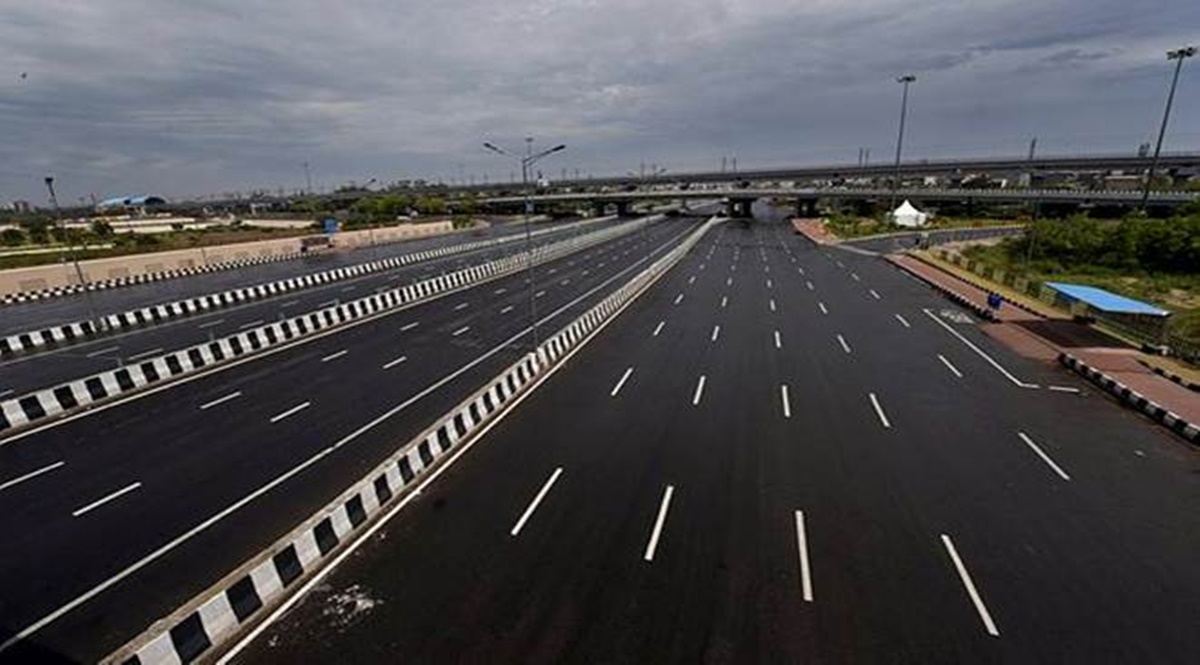
The integrity and efficiency of its national infrastructure, India’s Ministry of Road Transport and Highways has significantly tightened the eligibility criteria for bidding on highway projects. This strategic recalibration, a direct response to widespread construction delays and escalating costs, aims to inject greater financial robustness and proven expertise into the nation’s ambitious road-building pipeline. The move is pivotal for fostering sustainable and efficient urban development, impacting future expressways and critical transport networks across the country, ultimately benefiting all citizens.
The impetus for these stringent modifications stems from a concerning trend: Union Minister Nitin Gadkari had revealed that as of March 2024, a staggering 44 per cent, or 419 out of 952 road projects under construction, faced delays due to various reasons, predominantly financial paucity and a lack of requisite clearances. Such protracted delays not only inflate project costs but also lead to significant resource wastage and prolonged disruption for communities. The revised norms for both Hybrid Annuity Model (HAM) and Engineering, Procurement, and Construction (EPC) projects are designed to mitigate these inefficiencies, ensuring that public funds are utilised optimally for durable and high-quality infrastructure.
Under the updated guidelines for HAM projects, the minimum financial capacity required for bidders has been elevated from 15 per cent to 20 per cent of the estimated project cost. Similarly, the net worth prerequisite for each member within a bidding consortium has been increased from 7.5 per cent to 10 per cent. For EPC projects, the minimum net worth for a bidder has been doubled from 5 per cent to 10 per cent, and the average annual turnover requirement has been raised from 15 per cent to 20 per cent of the estimated project cost. These adjustments are expected to attract larger, more financially stable entities with a demonstrated capacity to deliver projects within stipulated timelines.
Further refinements include enhanced scrutiny of sub-contracting experience and a redefinition of “highways” to exclude railways, metro rail, and ports, which are now categorised under the broader “core sector.” This reclassification signifies a more focused approach to highway development, ensuring specialised projects are handled by entities with appropriate expertise. While the government had previously relaxed financial thresholds to encourage broader participation, the high incidence of project overruns, as evidenced by CareEdge Ratings data showing 55 per cent of HAM projects delayed beyond six months, necessitated this corrective action.
The tightening of these norms comes as the government prepares to award approximately 124 new road projects in 2025-26, valued at an estimated ₹3.5 lakh crore, with over 80 projects slated under the HAM model. This strategic shift is crucial for building resilient, future-ready infrastructure that supports economic growth and enhances the quality of life across India. By prioritising financial strength and proven execution capabilities, the Ministry aims to foster a construction ecosystem that delivers projects efficiently, reduces environmental impact from prolonged construction, and ensures that the benefits of modern, gender-neutral, and equitable transportation networks reach all citizens without undue delay.
Also Read: India Exempts 78 Percent Coal Plants From Installing Pollution-Control Systems Amid Criticism
