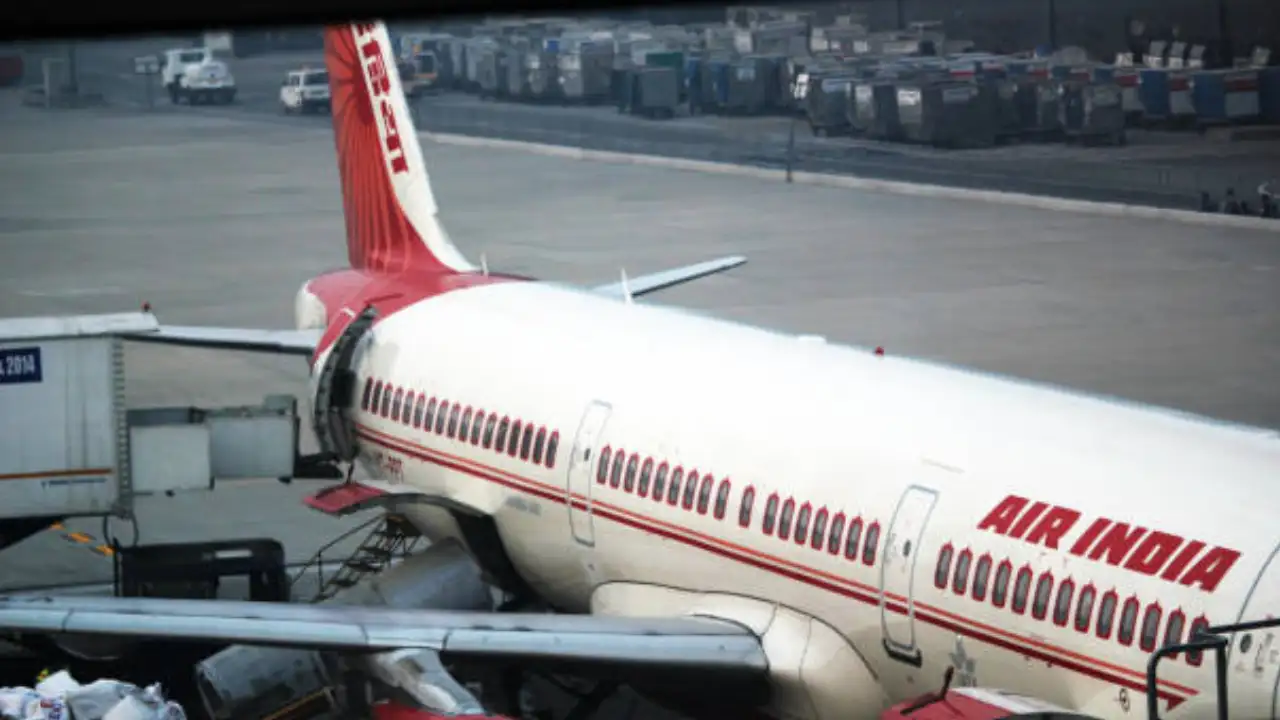
Delhi Milan Air India flight cancelled after snag and crew limits
A Milan-Delhi Air India flight was cancelled minutes before departure after a technical snag was detected during pre-take-off checks, with the situation compounded by the crew reaching their duty time limit. The incident, which left passengers stranded, comes as the airline struggles with a reduced fleet due to retrofitting of its Boeing 787 aircraft, sparking renewed concerns over operational reliability and service disruption.
The airline clarified that the fault was flagged while the aircraft was being prepared for pushback, forcing an immediate halt to operations. Officials acknowledged that the cancellation was also linked to a planned shortfall in the fleet, with 26 Boeing 787-8 aircraft undergoing extensive retrofitting. Industry experts note that the retrofitting, while critical to upgrading the airline’s long-haul offering, has strained scheduling and contributed to service disruption.Passengers were accommodated in hotels, offered refunds, or rebooked on alternate flights. Airline representatives stressed that passenger safety remained paramount and emphasised that such measures, though disruptive, were unavoidable when engineering and regulatory standards were at stake. “The well-being of passengers and crew cannot be compromised,” an Air India official said.
This was not an isolated incident. Within 48 hours, a Kochi–Delhi flight was forced to abort take-off due to a technical issue, prompting the replacement of the aircraft and rescheduling of departure. Similarly, earlier flights from Singapore to Chennai and from Bhubaneswar to Delhi were cancelled, in one case because of cabin temperature irregularities and in another because a maintenance task required longer rectification.Analysts point out that Air India, now in the middle of a multi-billion-dollar transformation under new ownership, faces a delicate balancing act. The retrofitting of aircraft to international standards is essential to meeting global benchmarks in fuel efficiency, comfort, and emissions reduction.
However, with a significant portion of its fleet under modification, the strain on scheduling has exposed passengers to delays and cancellations.Aviation experts further underline that incidents like these illustrate the urgent need for airlines to build redundancy into operations. With passenger numbers rebounding to pre-pandemic levels and international traffic rising, fleet shortages leave little margin for error. More critically, technical lapses undermine confidence in an airline seeking to position itself as a premium global carrier.For passengers, the cancellations underscore the challenges of air travel during a transition phase for India’s national carrier. While the airline has assured that safety will never be compromised, the recurring disruptions highlight the pressing need for resilient planning and sustainable fleet management in a sector central to India’s global connectivity.