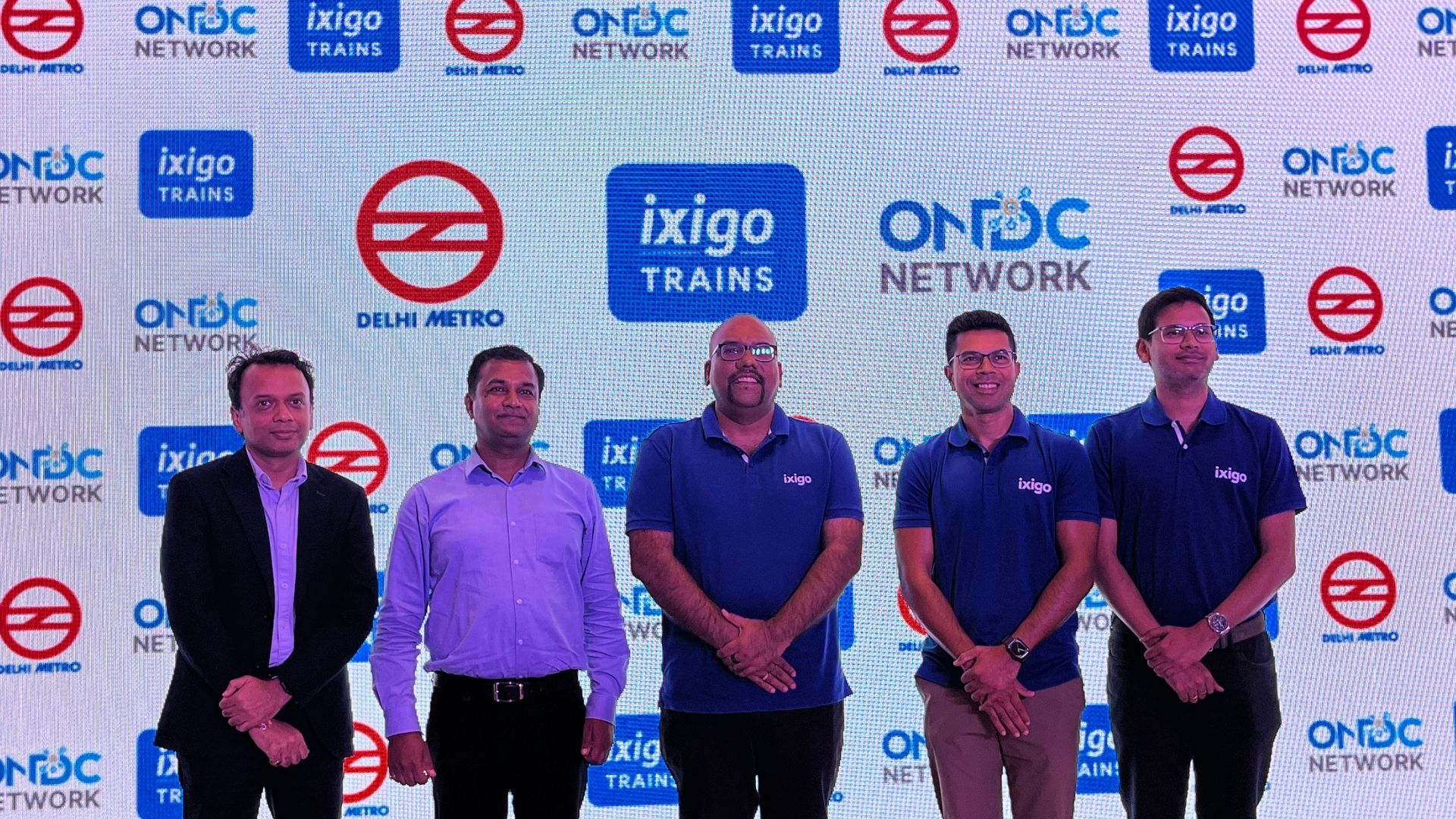
Delhi Metro ticketing starts on trains app via ONDC tie-up
Delhi commuters can now book metro tickets through the ixigo Trains app, marking a new digital-first chapter in India’s push for connected, sustainable urban mobility.In a significant leap towards integrated transport solutions, Delhi Metro ticketing has gone live on a private travel platform’s app, enabled through its partnership with the city’s metro authority and the national open digital commerce network.
The collaboration is positioned as a milestone in urban digital adoption, promising to simplify daily travel while advancing sustainability and equitable access goals.The new feature allows users to book QR-code based metro tickets directly within the trains app. This service, which comes with promotional incentives for early adopters, complements existing options for booking intercity trains, buses, flights, and hotels. For the first time, commuters will be able to stitch together their end-to-end journeys across multiple modes on one digital interface.
Officials emphasised that this integration builds on efforts to transform urban transport into a truly multimodal experience. With Delhi Metro spanning nearly 400 km across more than a dozen lines and recording a record ridership of over 81 lakh passenger journeys in August 2025 the addition of a digital metro booking channel is expected to further reduce reliance on cash transactions and ticketing queues. The aim is to deliver frictionless last-mile connectivity, especially for the growing base of intercity travellers who already rely on the trains app for long-distance bookings.
According to mobility experts, the significance of this launch extends beyond commuter convenience. The partnership represents the application of an open, interoperable network to urban transport, allowing different service providers to plug into a common ecosystem. This could pave the way for a unified mobility layer in Indian cities where buses, trains, flights, and metro services operate through a shared digital infrastructure. The interoperability element is critical, as it avoids lock-ins and strengthens accessibility for all user segments, including women, students, and working professionals dependent on affordable public transit.
Sustainability advocates view the development as timely. Encouraging commuters to opt for digital ticketing and public transport reduces paper wastage, curbs operational inefficiencies, and nudges urban residents towards greener habits. Given the capital’s struggle with congestion and pollution, smoother adoption of metro services is seen as an important lever in achieving zero net carbon ambitions.Officials underscored that public transport remains the backbone of inclusive growth, providing mobility for all socio-economic groups. By embedding metro ticketing into a broader digital journey planner, the initiative underscores the shift towards mobility-as-a-service models, where technology, sustainability, and accessibility converge to build resilient cities.The move is also expected to strengthen consumer trust in digital payments and accelerate India’s larger smart-city ambitions, where seamless, gender-neutral, and eco-conscious travel is seen as non-negotiable.