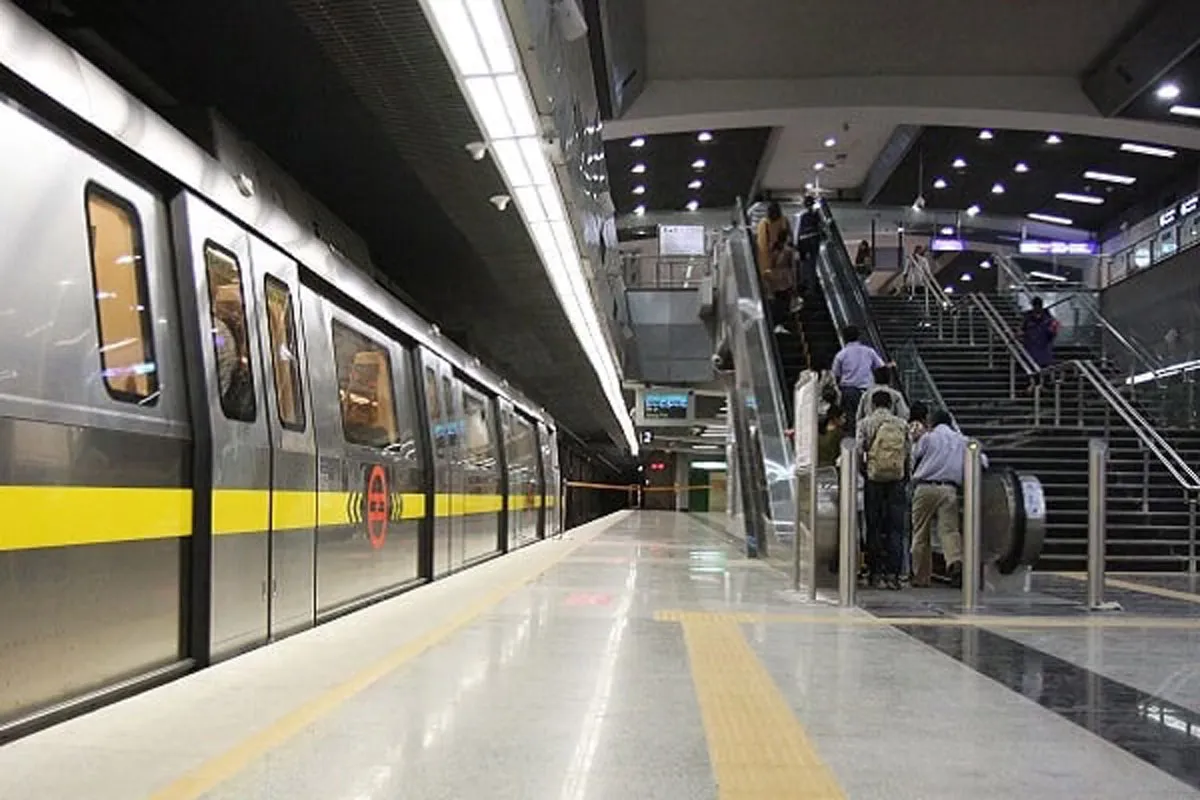
Delhi’s rapid transit network has implemented a targeted naming change aimed at improving commuter navigation, with the Mayur Vihar Pocket-1 Metro station officially redesignated as Shri Ram Mandir Mayur Vihar. The update, confirmed by transit authorities, will be rolled out across physical signage, digital platforms, and public announcement systems, marking another instance of how urban infrastructure adapts to user behaviour and neighbourhood identity.
For one of the city’s busiest residential corridors in East Delhi, the Delhi Metro station rename addresses a long-standing wayfinding challenge. The Mayur Vihar zone hosts multiple stations with near-identical naming conventions spread across different phases, often causing confusion for first-time riders, elderly commuters, and visitors navigating interchange-heavy routes. Urban transport planners say clearer station identification reduces last-mile friction and improves overall network efficiency, particularly in dense, transit-oriented neighbourhoods. Officials involved in the decision-making process indicated that the revised name draws from a prominent local landmark located close to the station. Such landmark-based naming is increasingly used in global metro systems to anchor stations more clearly within their physical and social context. Experts note that recognisable identifiers shorten cognitive travel time, helping passengers make faster decisions in complex transit environments.
The Delhi Metro station rename received clearance from the city’s statutory naming authority, a body responsible for overseeing changes to public place nomenclature across most state-administered infrastructure. Transit officials confirmed that the transition will be phased, allowing commuters time to adjust while minimising disruption to daily travel patterns and digital navigation tools.
Beyond commuter convenience, the change reflects a broader conversation around how transport infrastructure interacts with local identity and urban development. Station names often influence neighbourhood perception, real estate listings, and commercial branding within walking distance of transit hubs. Property analysts point out that clarity and recognisability can enhance micro-market visibility, particularly in mature residential districts where redevelopment and densification are underway.
From a sustainability perspective, smoother navigation contributes indirectly to climate goals. Reduced confusion lowers unnecessary interchanges, missed stops, and corrective travel small efficiencies that accumulate across millions of daily trips. In a system that already displaces private vehicle use at scale, incremental improvements in passenger experience strengthen public transport’s appeal. The rename does not alter routes, service frequency, or station infrastructure. However, mobility experts caution that nomenclature changes must be accompanied by consistent updates across maps, apps, and third-party platforms to avoid short-term disorientation.
As Delhi continues expanding its metro network while upgrading existing corridors, the focus on usability signals a shift towards people-first transit design. If implemented carefully, such changes can enhance accessibility, reinforce neighbourhood identity, and support a more intuitive, low-carbon urban mobility system outcomes increasingly essential for a growing megacity.
Delhi Metro Station Rename Targets Commuter Clarity