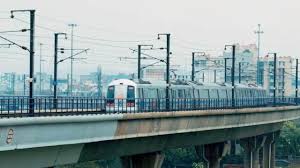
Delhi Metro revises Holi schedule across NCR network
NEW DELHI — Public transit services across the National Capital Region will operate on revised schedules during the Holi festival, with the Delhi Metro and the Delhi–Meerut rapid rail corridor adopting delayed service timings to accommodate celebrations and reduced morning travel demand.
Authorities say the temporary adjustment reflects a long-standing practice during major festivals when commuter patterns shift significantly across the region. The Delhi Metro Rail Corporation (DMRC) has announced that metro trains across its entire network will not run during the morning hours on the day of Holi, March 4. Services on all lines, including the Airport Express Line, will begin operations only from 2:30 pm, departing from terminal stations and continuing with regular frequency thereafter.
Transport officials say the delayed start allows metro staff and security personnel to manage the festival environment safely while minimising operational challenges posed by large public gatherings and colour celebrations earlier in the day. The Delhi Metro network, one of India’s largest urban rail systems, typically operates throughout the day with frequent services connecting residential neighbourhoods, employment districts and intercity transit hubs. In parallel, services on the Namo Bharat Regional Rapid Transit System (RRTS) and the Meerut Metro corridor — which link Delhi with parts of western Uttar Pradesh — will operate on a much shorter window during the festival. On Holi, trains on these corridors will run only between 5 pm and 10 pm, according to operational advisories issued by the National Capital Region Transport Corporation (NCRTC).
The evening-only schedule aims to provide essential mobility later in the day once celebrations wind down, while avoiding operational complexities associated with morning travel when many residents participate in neighbourhood festivities. Authorities say regular schedules across these networks will resume the following day. Urban mobility planners note that festival-related service adjustments are common in major cities worldwide, where public transit authorities must balance operational safety with mobility needs. In the Delhi–NCR region, where millions rely on metro and rapid rail systems for commuting, even temporary schedule changes require careful coordination and public communication.
The adjustments also highlight the increasing complexity of the capital region’s integrated transit ecosystem. The Delhi Metro network operates alongside emerging regional systems such as the Namo Bharat RRTS, which aims to connect major urban nodes in the National Capital Region with high-speed rail links capable of reducing travel times significantly. These corridors are designed to support regional economic integration by enabling faster intercity commuting between Delhi, Ghaziabad and Meerut. However, planners emphasise that maintaining operational flexibility during festivals and large public events is essential for system resilience. Reduced ridership in the early hours of Holi makes it inefficient to run full services, while the evening restart ensures that essential trips — including travel to railway stations, airports and workplaces — remain possible.
For commuters, authorities recommend checking official updates and planning journeys accordingly. The altered timetable underscores how festival calendars continue to influence transport planning in Indian cities, where social traditions and urban mobility systems must operate in tandem.