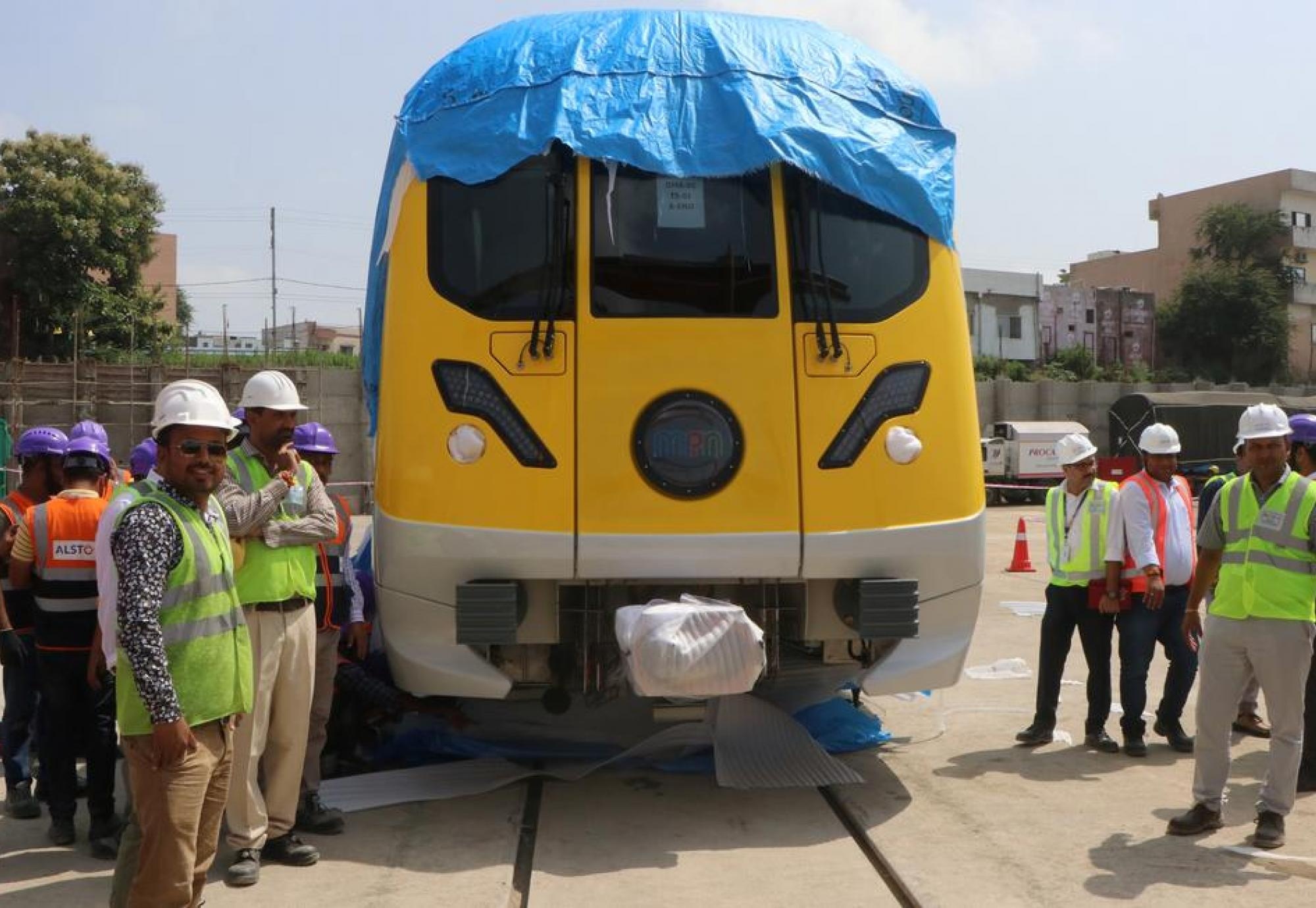
Delhi Metro Retrofit Train Boosts Smart Transit Technology
Delhi’s rapid transit network is undergoing a technological upgrade as the first refurbished metro train equipped with a next-generation metro train retrofit system has entered service. The modernised trainset, delivered under a collaborative infrastructure programme, introduces an integrated digital platform designed to improve passenger information, onboard communication and operational monitoring across the network. Officials associated with the initiative indicate that the metro train retrofit programme forms part of broader efforts to modernise existing rolling stock while extending the lifecycle of metro assets. Rather than replacing entire train fleets, transit authorities are increasingly upgrading older trains with advanced systems to enhance reliability and passenger experience.
The upgraded train incorporates an Internet Protocol-based Passenger Announcement and Passenger Information System. This technology integrates onboard communication systems into a unified digital architecture that can manage audio announcements, passenger display information, surveillance systems and operational communications from a central control interface. Transport technology specialists say such integrated platforms are becoming standard in modern metro systems worldwide. By combining multiple functions within a single network, operators can streamline operations, reduce technical complexity and ensure passengers receive timely service information during journeys. The metro train retrofit system deployed in Delhi is built on Power over Ethernet technology, which allows devices to receive both electrical power and data through a single cable network. Engineers say this approach simplifies onboard wiring while reducing maintenance requirements and long-term operational costs. Real-time diagnostic tools embedded in the system also allow technical teams to detect faults early and address equipment issues before they affect service performance. This capability is increasingly important as metro networks grow larger and carry higher passenger volumes.
Safety and regulatory compliance remain central to the upgrade programme. The retrofit includes enhanced CCTV monitoring, emergency communication interfaces and automated alert systems designed to assist train crews and control rooms in responding quickly to operational situations. Beyond the communication platform, the refurbishment programme has introduced several improvements aimed at passenger comfort and operational efficiency. These include interior upgrades, fire detection systems, mobile charging points and the renewal of key electrical components that support train operations. Urban mobility experts note that modernising existing trains through retrofit programmes can significantly reduce the environmental footprint of transit infrastructure. Extending the operational life of rolling stock lowers resource consumption compared with manufacturing entirely new fleets, aligning with broader goals of sustainable urban transport development. As cities expand their rail networks, maintaining high-quality passenger experience becomes increasingly important. Upgraded information systems, clearer announcements and improved safety features contribute to a more reliable and inclusive public transport environment.
The introduction of the metro train retrofit programme in Delhi illustrates how established metro systems are evolving through technology upgrades as well as network expansion. By combining digital systems with refurbishment strategies, transit authorities aim to ensure that existing infrastructure continues to meet the expectations of a growing urban population.