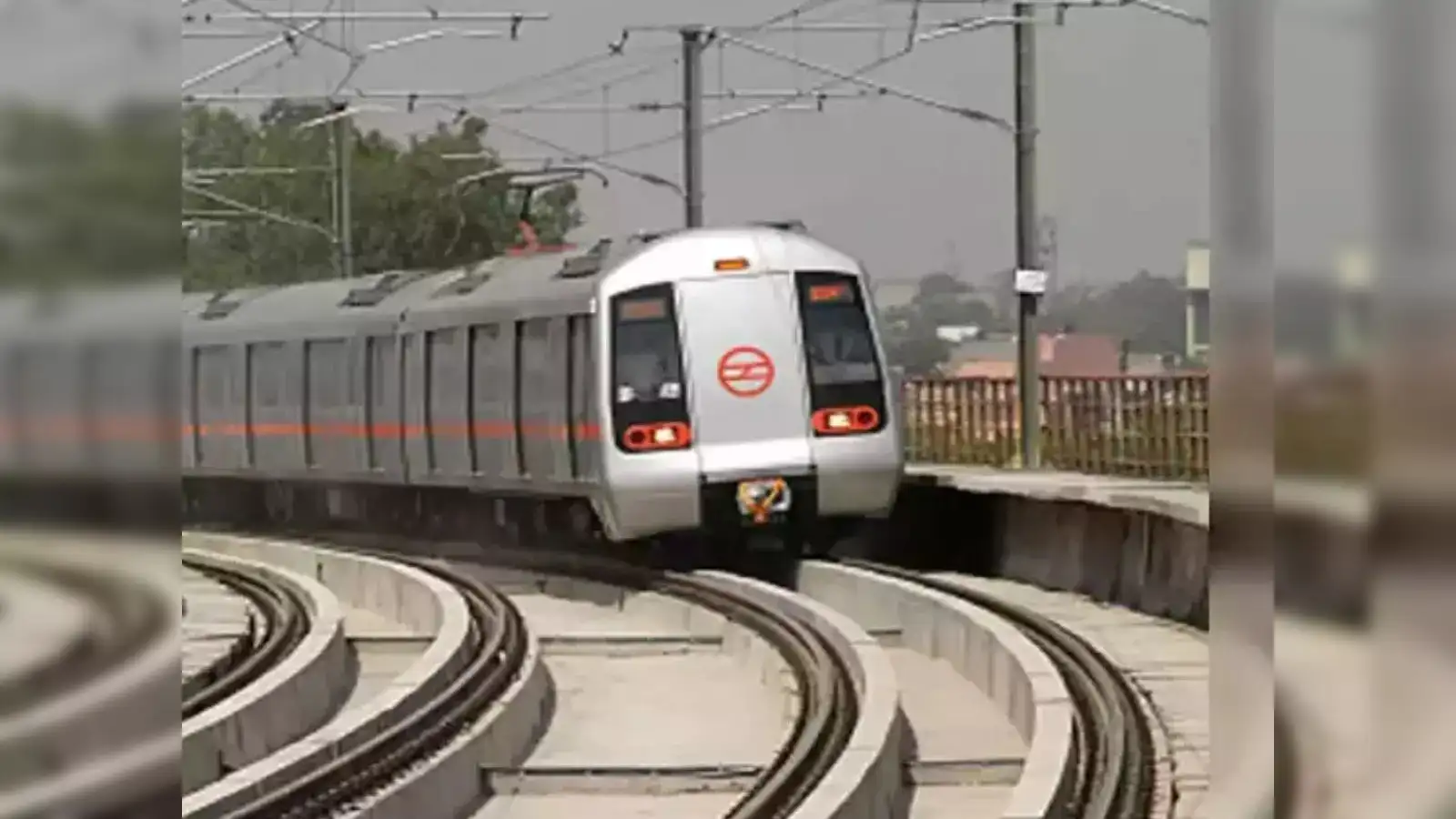
The Delhi Metro Rail Corporation (DMRC) is set to roll out app-based last mile connectivity services at select Metro stations across the National Capital Region, marking a significant step in addressing one of urban transit’s most persistent gaps. The initiative, expected to begin by the end of the month, aims to integrate organised feeder services with Metro travel, reinforcing Delhi’s broader transition towards cleaner, more efficient urban mobility.
Under the plan, commuters at around 10 high-footfall stations will gain access to bike taxis, autorickshaws and four-wheeler cabs through a government-backed mobility platform. The service will be digitally linked to the Metro’s existing passenger interface, enabling travellers to plan and complete end-to-end journeys through a single application. Urban transport experts view this as a critical shift from fragmented, informal last-mile options towards a structured and accountable mobility ecosystem. Officials involved in the rollout said the initial phase will operate as a pilot, with focused deployment at two interchange-heavy stations to evaluate commuter adoption, service reliability and operational challenges. Insights from this phase are expected to shape future expansion across the network, which serves millions of daily riders. If successful, the model could be scaled to additional stations where last mile access remains uneven or dependent on informal arrangements.
The move aligns with Delhi’s wider policy push to curb vehicular emissions while improving public transport usability. While the Metro already forms the backbone of the city’s mass transit system, limited access from stations to homes and workplaces has often pushed commuters back towards private vehicles. By strengthening last mile connectivity Delhi, planners believe the Metro’s share of daily trips could rise, easing road congestion and lowering transport-related emissions. From an economic perspective, the initiative is also designed to formalise livelihoods for drivers operating within the last mile segment. Industry observers note that cooperative-backed platforms can bring greater fare transparency, predictable earnings and standardised service quality, while remaining competitive with private aggregators. Fare structures are expected to remain regulated, with safeguards against excessive peak-hour pricing to protect commuter affordability.
The digital integration is another notable element. A unified booking and payment system is expected to reduce waiting times, improve trip predictability and offer commuters clearer choices based on distance, time and cost. For women, older passengers and people with mobility constraints, structured last mile services are seen as particularly important for safety and convenience. Currently, the Metro already supports last mile services at over a hundred stations, including electric autorickshaws. The new expansion builds on that foundation, reflecting a gradual shift towards low-emission, technology-enabled urban transport solutions.
As Delhi prepares for a substantial expansion of electric bus fleets and deeper integration between modes, transport planners say last mile connectivity Delhi will remain a decisive factor in determining whether public transport can truly replace private vehicles. The coming months will test whether digital coordination, cooperative models and Metro-scale integration can deliver a more inclusive and climate-resilient daily commute for the city.
Delhi Metro Pushes App Based Last Mile Mobility