


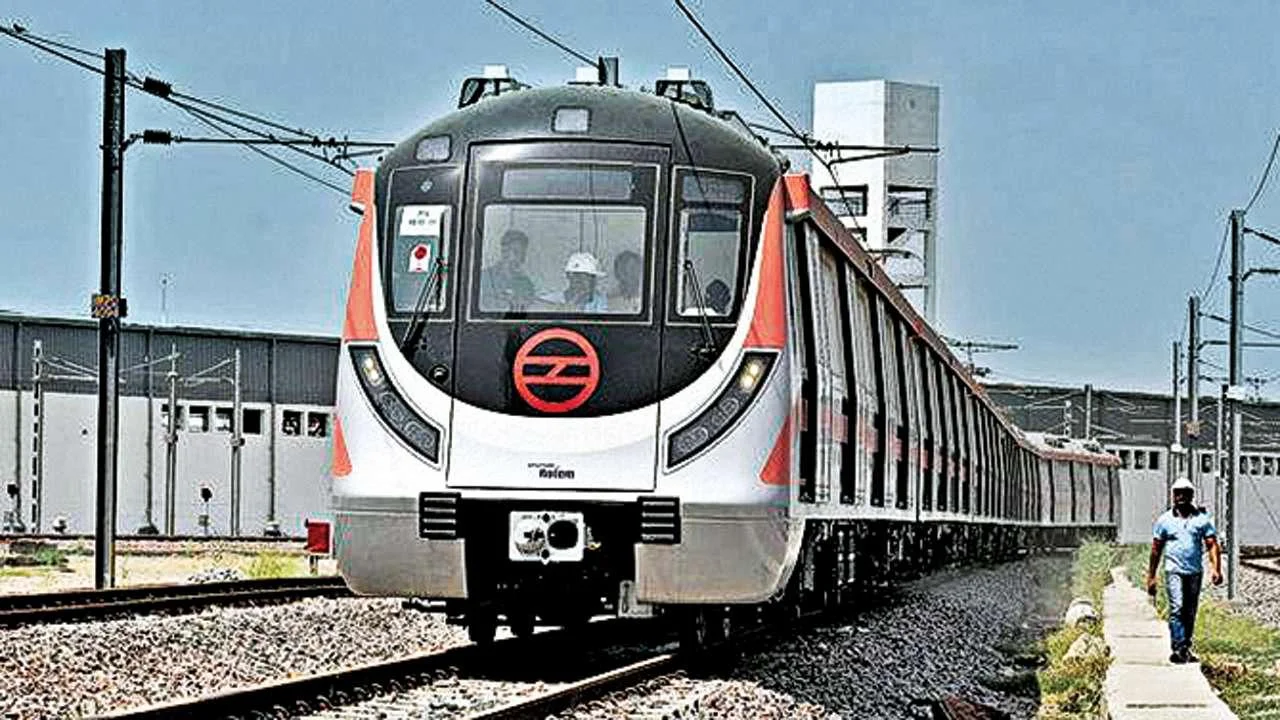
Rail Vikas Nigam Limited (RVNL) has bagged its first contract under the much-awaited Phase IV of the Delhi Metro Rail project. The project, valued at ₹447 crore including GST, involves the construction of a 7.3 km elevated corridor between Lajpat Nagar and Saket G Block, along with seven new stations that will cater to densely populated and high-traffic neighbourhoods.
The contract was awarded by Delhi Metro Rail Corporation (DMRC), marking RVNL’s formal entry into the national capital’s expanding mass transit ecosystem. This corridor is set to bolster east-west connectivity in South Delhi, enhancing commuter experience in areas such as Pushp Vihar, Saket District Centre, Chirag Delhi, Greater Kailash-1, Andrews Ganj, and Lajpat Nagar—locations that witness some of the highest daily footfall in the city. According to officials involved in the project, the construction includes a dedicated elevated viaduct and metro stations that will be designed to ensure seamless passenger movement while integrating last-mile connectivity options. The project is scheduled to be completed within 36 months, and once operational, is expected to reduce road congestion and vehicular emissions across this part of Delhi.
This corridor forms part of Delhi Metro’s broader Phase IV blueprint, which aims to add over 100 kilometres of new metro lines to the network, further embedding sustainable and carbon-neutral mobility into the city’s urban planning. Experts view this expansion as critical to keeping pace with Delhi’s growing population and urban sprawl while adhering to sustainable development goals. What makes this contract more significant is RVNL’s growing prominence as a national infrastructure player. Although RVNL is already active in metro construction across eight Indian cities, this marks its inaugural project under Delhi Metro’s new phase of development. Officials highlighted that this contract offers RVNL a strategic opportunity to demonstrate its execution capability in India’s most complex urban transit environment.
The project also aligns with the broader push for green infrastructure in urban India. Elevated metro corridors, such as the one planned between Saket G Block and Lajpat Nagar, are designed with minimal land acquisition requirements and aim to shift large commuter volumes from private vehicles to electrified public transport. This helps reduce the city’s carbon footprint and supports climate resilience. While Delhi Metro continues to face challenges around financing and urban integration, partnerships with central infrastructure agencies like RVNL are seen as vital for accelerating project timelines without compromising on quality or sustainability.
As Delhi aims for a cleaner, safer, and more connected future, this metro corridor promises to not only improve access and mobility but also reinforce the city’s position as a leader in transit-led urban growth.
Also Read: Maharashtra To Build Expressway Connecting Vadhvan Port And Samruddhi
