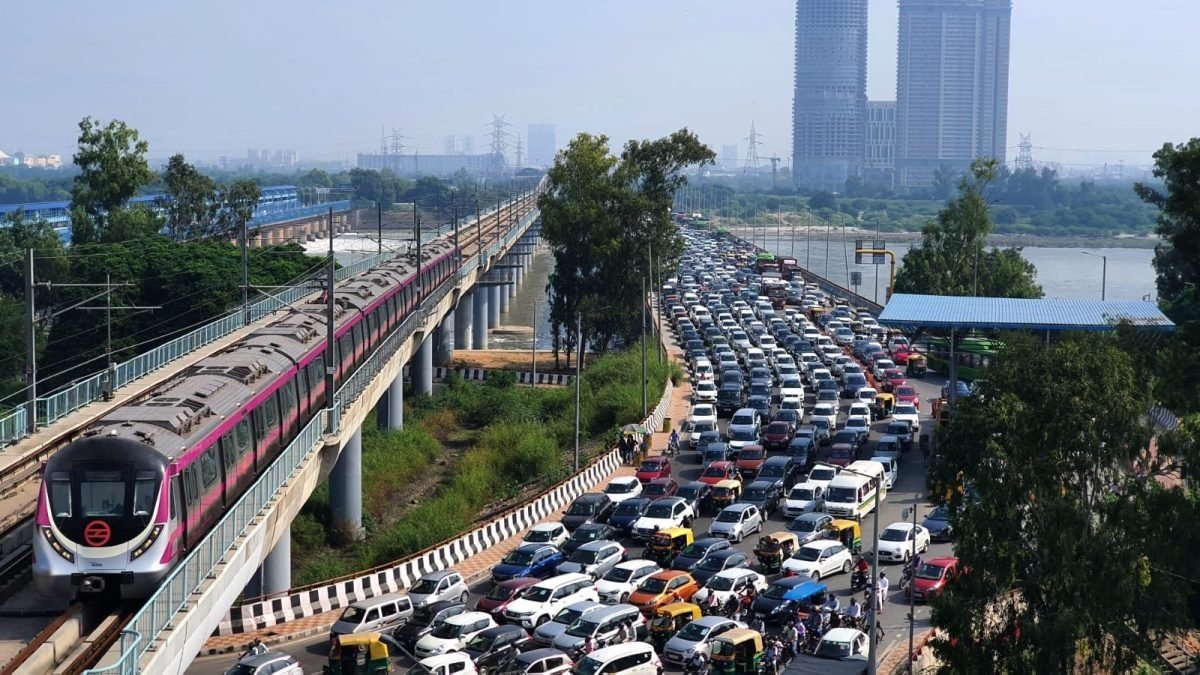
Delhi Metro Interchange Expansion Improves Connectivity
Delhi’s rapid transit network is undergoing a critical upgrade as part of its Phase III expansion, with a focus on building new interchange hubs to streamline commuter movement across the city. The initiative aims to reduce transfer times, ease congestion and strengthen network integration in one of the world’s busiest metro systems. At the center of this effort is the Delhi metro interchange expansion, which introduces multiple new interchange stations linking key corridors, including orbital routes designed to improve cross-city connectivity. By enabling smoother transfers between major lines, the network is expected to reduce dependency on central transit nodes and distribute passenger loads more evenly.
Urban transport specialists view interchange efficiency as a defining factor in metro usability. In dense cities, long walking distances and poorly connected stations often discourage public transport use, pushing commuters towards private vehicles. The latest upgrades seek to address this by introducing a combination of pedestrian infrastructure such as foot overbridges, underground pathways and mechanized walkways to shorten transfer times. A notable component of the Delhi metro interchange expansion is the emphasis on accessibility and commuter convenience. Infrastructure such as ramps, escalators and travelators is being integrated into station design to support diverse user groups, including elderly passengers, people with disabilities and those carrying luggage. At high-footfall stations, these features are expected to significantly improve passenger flow and reduce bottlenecks during peak hours. Strategic locations across the network are being redesigned to function as multimodal hubs. In areas connecting airport transit services with urban metro lines, extended pedestrian corridors equipped with moving walkways are being introduced to bridge physical gaps between stations. Experts highlight that such interventions are essential for enhancing first- and last-mile connectivity, a key determinant of public transport adoption.
The expansion also incorporates improved wayfinding systems, including colour-coded navigation aids and clearer signage. These changes are aimed at reducing confusion for first-time users and tourists, making the system more intuitive and user-friendly. Industry observers note that ease of navigation can have a measurable impact on ridership growth, particularly in large and complex transit networks. From an urban development perspective, improved interchange connectivity often influences real estate dynamics around transit corridors. Enhanced accessibility can drive demand for both residential and commercial developments in well-connected zones, supporting transit-oriented development patterns that reduce travel distances and emissions. However, planners caution that infrastructure upgrades must be complemented by operational efficiency and maintenance. Sustained performance of high-capacity transit systems depends on regular upkeep, crowd management and integration with feeder services such as buses and shared mobility.
As Delhi continues to expand its metro footprint, the success of this phase will hinge on how effectively these interchange improvements translate into shorter journeys, reduced congestion and a more seamless commuting experience. For a city grappling with traffic and air quality challenges, strengthening public transport remains central to building a more sustainable and liveable urban future.