


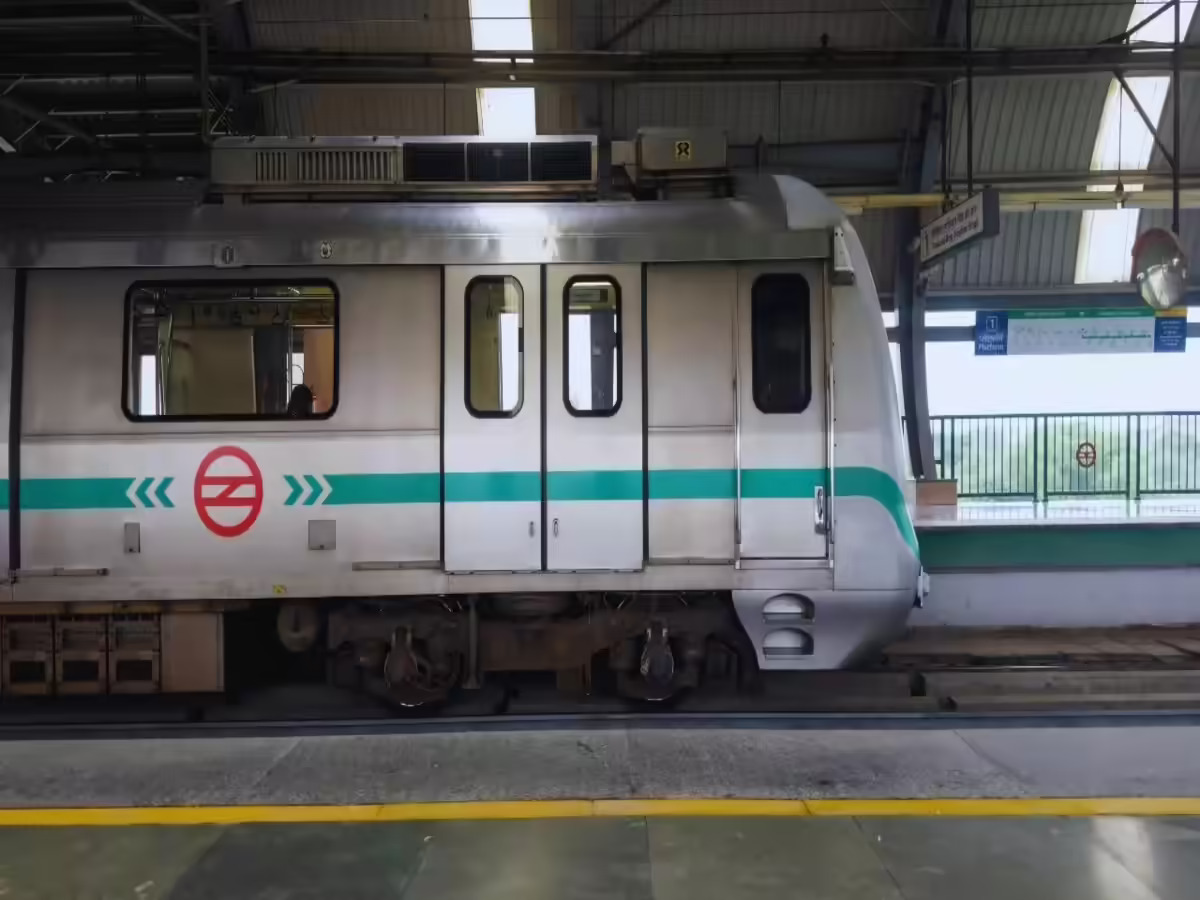
The Delhi Metro Rail Corporation (DMRC) has stepped up its efforts to enhance passenger experience and sustainability by installing high-volume low-speed (HVLS) fans at three major metro stations. The initiative, which combines energy efficiency with commuter comfort, is being seen as a step forward in Delhi’s quest for greener and more sustainable urban infrastructure.
According to officials, a total of 31 HVLS fans have been deployed across Hauz Khas, Kashmere Gate and Azadpur stations. Designed with large blades, these fans circulate air across vast spaces more effectively than conventional ceiling fans, producing a gentle breeze-like effect that reduces discomfort in crowded areas. The move is significant for interchange stations such as Hauz Khas and Kashmere Gate, where passenger volumes are among the highest in the network. Officials noted that such locations often witness congestion during peak travel hours, and the installation of HVLS fans is expected to substantially improve ventilation while consuming less power than traditional systems.
Metro experts highlight that this approach is not just about comfort but also long-term efficiency. Unlike conventional cooling equipment, HVLS fans are energy-efficient, low-maintenance, and eco-friendly, aligning with India’s broader push for carbon-neutral transport systems. For a city like Delhi, which frequently battles heatwaves and poor air quality, improved air circulation within crowded transit hubs could play a crucial role in passenger wellbeing. The DMRC has previously introduced climate-resilient initiatives such as shaded structures at elevated stations, enhanced ventilation systems, and the integration of air-conditioning across most train coaches. The addition of HVLS technology marks another milestone in its sustainable operations strategy.
Officials also indicated that more installations may be carried out at other metro stations in the future, depending on architectural design and passenger movement patterns. Analysts believe that if implemented widely, such measures could not only boost commuter comfort but also help urban transport systems transition to more eco-conscious models, balancing modern infrastructure demands with environmental priorities. The deployment of HVLS fans underlines a growing recognition that public transport is not merely about moving passengers from point A to B, but about ensuring safe, inclusive and climate-sensitive travel. As cities expand and ridership grows, innovations such as these will become increasingly important to keep metro systems resilient, sustainable, and passenger-friendly.
Also Read: Jammu Rail Division Runs Two Special Trains Assisting Three Thousand Stranded Passengers
