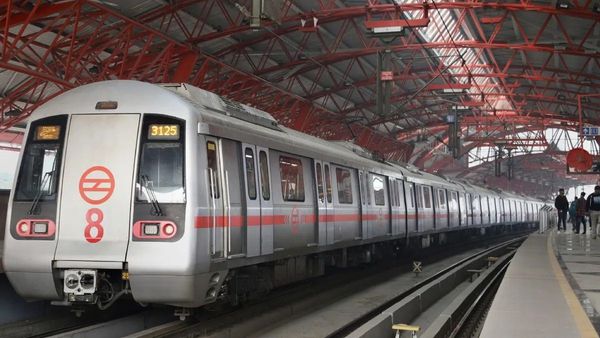
Delhi Metro’s fare-setting framework has re-emerged as a national benchmark for urban public transport pricing, as state governments look to recalibrate metro tariffs amid rising commuter sensitivity. The renewed attention on the Delhi Metro fare model highlights its growing influence on how Indian cities balance financial viability, affordability, and climate goals within mass transit systems.
Urban transport officials and policy analysts point to Delhi Metro’s pricing structure as one of the most stable and defensible among Indian metro networks. Built around distance-based slabs, transparent escalation logic and periodic review mechanisms, the model has allowed fare revisions without triggering sustained public backlash. In a city where daily ridership runs into millions, pricing predictability has been critical to maintaining public trust in mass transit.
The relevance of the Delhi Metro fare model extends beyond commuter convenience. Urban planners note that consistent pricing has helped anchor long-term travel behaviour, encouraging a shift away from private vehicles and supporting the city’s broader air quality and emissions objectives. With transport accounting for a significant share of Delhi’s urban pollution load, fare stability is increasingly viewed as a climate intervention rather than merely a revenue decision.
Unlike several newer metro systems, Delhi Metro’s tariff logic is closely aligned with ridership volumes and operational efficiencies. Industry experts say this has enabled the system to absorb cost pressures such as energy prices and maintenance expenses without abrupt fare shocks. The approach has also made the network more bankable, supporting multilateral funding and public-private partnerships tied to sustainable infrastructure outcomes. The Delhi Metro pricing framework has additionally influenced land use and real estate patterns along transit corridors. Predictable fares support consistent ridership, which in turn strengthens the viability of transit-oriented development around stations. Developers and municipal authorities rely on such stability when planning mixed-use projects, affordable housing clusters and commercial hubs connected to metro lines.
From a governance perspective, the Delhi Metro model is often cited for its institutional clarity. Fare revisions are embedded within defined regulatory processes, reducing political volatility around pricing decisions. Transport economists argue that this separation between operations and politics has been key to the system’s longevity and public acceptance. As Indian cities expand their metro footprints at an unprecedented pace, Delhi’s experience is increasingly shaping national conversations on urban mobility financing.
The challenge ahead lies in adapting the principles of the Delhi Metro fare framework transparency, equity and predictability to cities with different densities, income profiles and travel patterns. For Delhi itself, the attention reinforces the city’s role as a reference point for sustainable urban transport. As the network continues to expand into peripheral growth zones, maintaining fare credibility will remain central to ensuring that metro rail stays accessible, climate-resilient and economically inclusive.
Delhi Metro Formula Emerges Benchmark for Fares