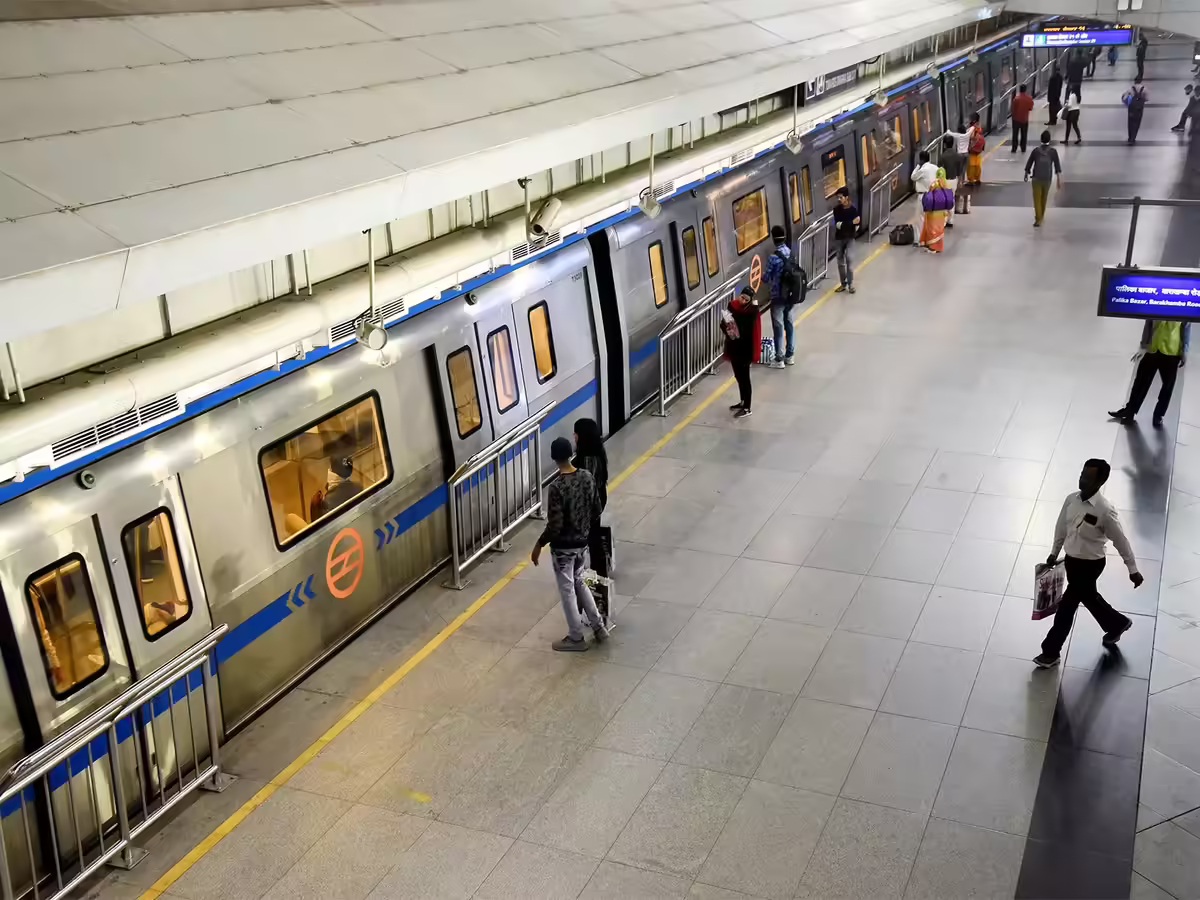
Delhi Metro Expansion Strengthens India Urban Transit Network
Delhi’s rapid transit system has reached a new milestone following the opening of additional sections on two key corridors, reinforcing the capital’s role at the centre of India’s expanding metro rail ecosystem. The latest Delhi Metro expansion has pushed the network’s operational length to more than 416 kilometres, positioning India among the world’s largest metro rail systems and underscoring the growing importance of urban mass transit in managing mobility across dense metropolitan regions. With the latest additions to the Pink and Magenta lines, the Delhi Metro network now operates across more than 300 stations within the National Capital Region. Urban mobility planners say the development reflects two decades of sustained investment in rail-based public transport aimed at reducing road congestion and improving commuter accessibility across the capital and its surrounding cities.
According to transport authorities, metro rail services are now operational in 26 Indian cities with a combined network exceeding 1,100 kilometres. Daily ridership across the country’s metro systems has climbed to roughly 11.5 million passengers, indicating how urban rail is becoming central to commuting patterns in large cities. Within this ecosystem, the Delhi Metro expansion continues to anchor the country’s largest metro network. The system carries more than half of all metro passengers nationwide, reflecting its extensive coverage and integration with surrounding urban centres such as Noida, Greater Noida and Gurugram. The wider Delhi–NCR metro network includes multiple interconnected transit systems. Alongside the main Delhi Metro network, the region is also served by the Noida–Greater Noida Metro corridor and the Rapid Metro line in Gurugram, which together extend urban rail connectivity across neighbouring satellite cities. Transport experts say such regional integration has played a key role in reshaping commuting patterns in the capital region.
Operationally, the network has grown into one of the most complex urban rail systems in the world. Hundreds of trains operate daily across multiple lines, completing thousands of trips while maintaining punctuality levels close to global benchmarks. The system also continues to expand the use of driverless train technology on select corridors, improving operational efficiency and reducing dependence on manual operations. Passenger numbers have also continued to climb steadily. Metro ridership in the capital has shown consistent year-on-year growth, reflecting both the expansion of the network and rising demand for reliable public transport options in a city facing chronic road congestion. Urban transport planners say the Delhi Metro expansion illustrates the long-term impact of large-scale transit investments on city development. Rail-based mass transit not only reduces reliance on private vehicles but also shapes real estate growth, encouraging higher-density development around stations and transit corridors.
As Delhi continues to grow, the role of integrated metro systems is expected to become even more significant. Urban policy experts suggest that sustained expansion, improved multimodal connectivity and transit-oriented development will be critical to ensuring the capital’s transport system remains efficient, low-emission and accessible for millions of daily commuters.