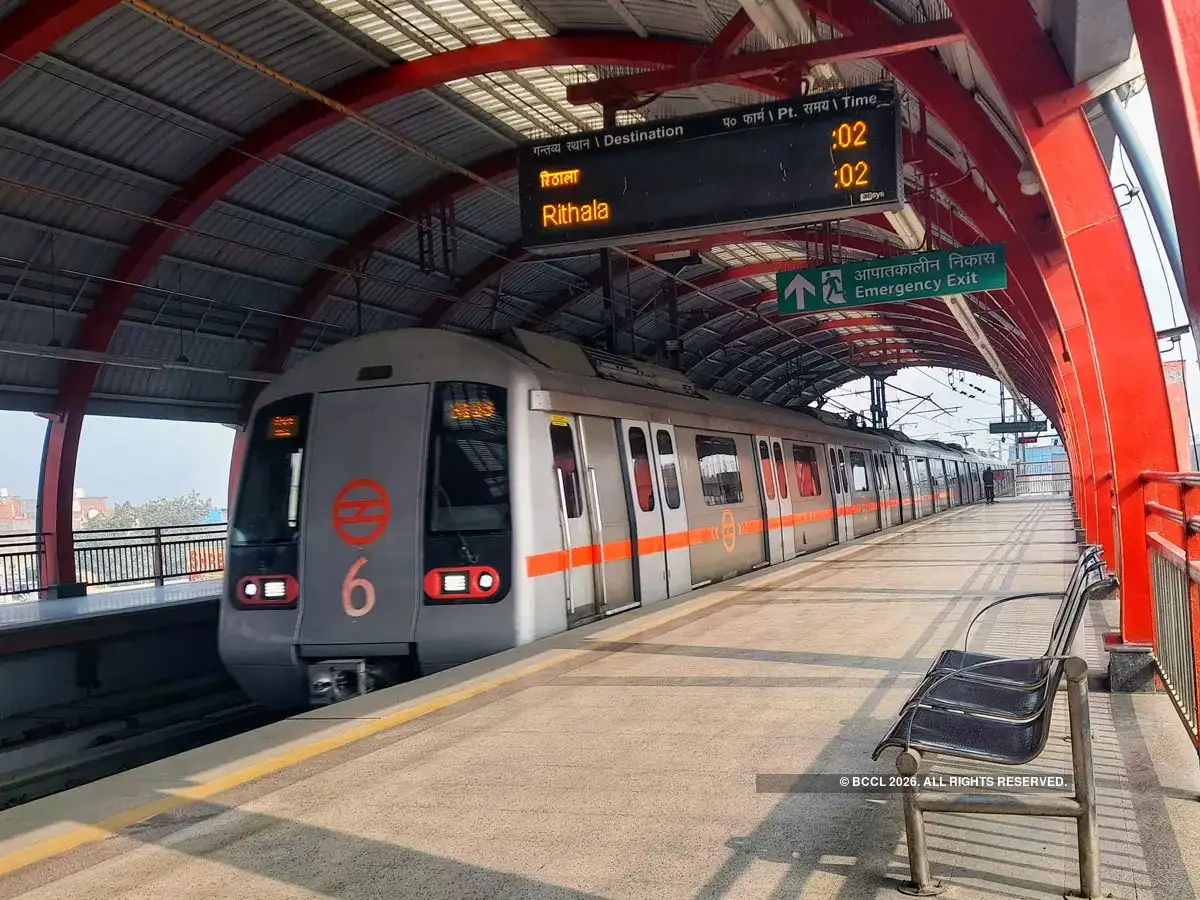
Delhi Metro Rail Corporation is set to introduce a structured last-mile transport system across select stations later this month, marking a shift in how India’s largest urban transit network approaches commuter mobility beyond the platform. Beginning January 31, shared two-wheelers, auto-rickshaws and cab services will be made available at 10 high-footfall stations, addressing one of the most persistent pain points in daily metro travel.
The initiative, which will roll out in phases, aims to reduce dependence on informal and often unreliable post-metro transport options. For millions of commuters, the final stretch between station exits and homes or workplaces remains time-consuming, costly and unpredictable. By formalising these services within station precincts, the Metro operator is attempting to create a more seamless, predictable and time-efficient urban travel experience. The programme will initially operate as a pilot at two interchange-heavy stations located at the edges of the network, where demand for onward travel is highest. Based on commuter uptake and operational performance, the model will be extended to other busy hubs including central business districts and employment clusters. Transport planners see this as a pragmatic test of integrated mobility rather than a blanket rollout that risks congestion or operational friction.
The services will be accessed through a digital aggregator, allowing commuters to pre-book rides, view fare estimates and avoid ad-hoc price negotiations. Industry experts say this is a significant step towards fare transparency in a city where last-mile transport costs often fluctuate sharply based on demand, weather and peak hours. By aligning pricing closer to regulated benchmarks, the Metro hopes to restore commuter trust and improve adoption. From an urban planning perspective, the move reflects a broader shift towards transit-oriented development. Metro stations are no longer viewed solely as transport nodes but as mobility ecosystems that influence land use, pedestrian movement and commercial activity. Reliable last-mile connectivity has a direct impact on property values, office leasing decisions and residential location choices, particularly in peripheral areas of the National Capital Region.
The choice of a cooperative-backed mobility platform also signals an attempt to balance formalisation with livelihood protection. Rather than displacing existing drivers, the model integrates them into a regulated framework with digital visibility and predictable demand, aligning with inclusive growth principles increasingly emphasised in urban transport policy. Environmental considerations also underpin the initiative. By making shared and short-distance options more accessible, the Metro operator expects a gradual reduction in private vehicle usage for short trips, easing congestion and lowering local emissions around station areas.
As Indian cities grapple with rising travel demand and climate pressures, the success of this pilot could shape how mass transit agencies nationwide rethink last-mile solutions. The next phase will depend not just on ridership numbers, but on how effectively safety, affordability and operational discipline are maintained on the ground.
Delhi Metro Expands Last Mile Transport Network