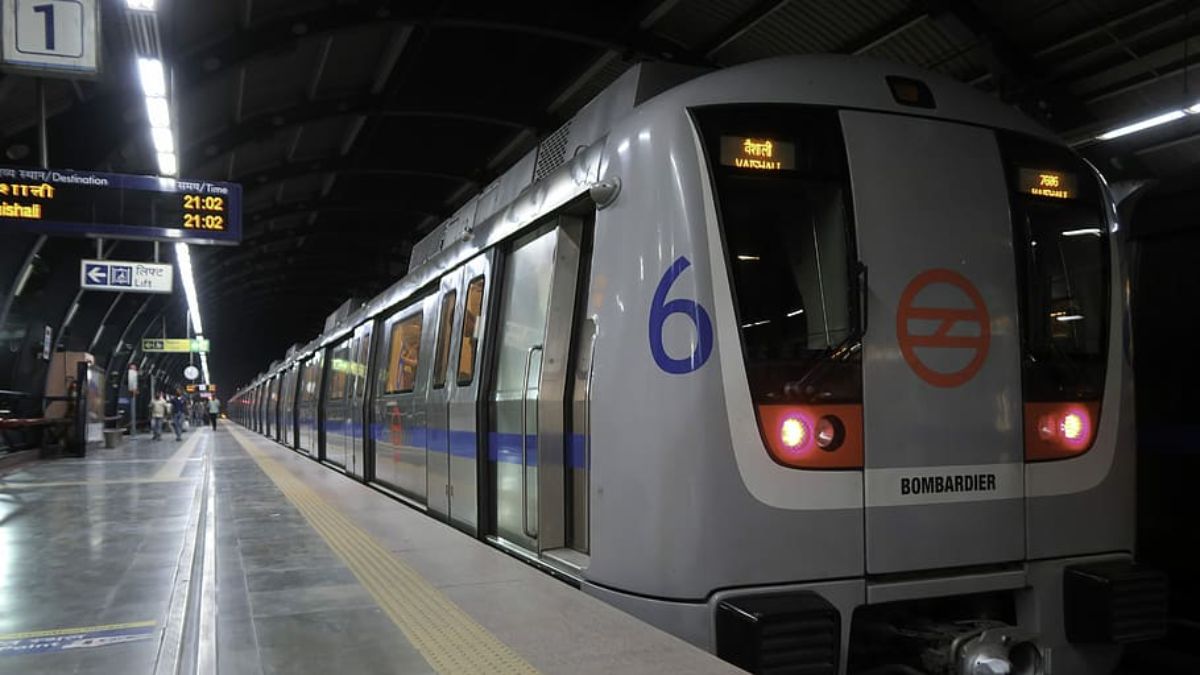
Delhi Metro will operate beyond its regular closing schedule on 12 February to accommodate spectators attending the ICC Men’s T20 World Cup fixture between India and Namibia at Arun Jaitley Stadium. The move is aimed at easing late-evening dispersal from one of the capital’s most congested sporting corridors and reducing dependence on private vehicles. The Delhi Metro Rail Corporation (DMRC) confirmed that additional train services, including late-night operations, will run across key corridors connecting central Delhi to residential and commercial districts. The Arun Jaitley Stadium, located near the Delhi Gate and ITO stations, is expected to draw tens of thousands of spectators for the Group A match.
Urban mobility planners note that extending metro services during major sporting events has become essential for high-density cities. Large gatherings often strain road infrastructure, particularly in older precincts such as central Delhi where carriageway expansion is limited. By keeping trains running later, authorities aim to prevent post-match traffic bottlenecks and improve pedestrian safety. A senior transport official indicated that station staffing and crowd management measures have been enhanced for the event. Coordination with city police and event organisers is understood to include regulated entry and exit flows, queue management and additional ticketing support to avoid last-minute congestion.
For Delhi, the operational flexibility of the metro network reflects its growing role as critical urban infrastructure rather than merely a commuter system. Carrying millions daily, the network has increasingly been deployed to manage episodic surges from festivals to political gatherings and international sports tournaments.
Mobility experts argue that such interventions align with broader climate and air-quality goals. Encouraging spectators to use electric mass transit instead of private cars or ride-hailing services can significantly reduce short-term emissions spikes in central districts. Given Delhi’s ongoing air pollution challenges, transport planning around major events carries environmental implications beyond crowd convenience.
The decision also highlights how sports infrastructure and transit planning must function together in compact cities. The Arun Jaitley Stadium sits within a dense institutional and commercial zone, where parking supply is limited. Public transport capacity, therefore, becomes central to ensuring equitable access for ticket holders across income groups. India enters the fixture after a winning start in the tournament, increasing expectations of a strong turnout.
A positive result would strengthen the team’s standing in the group stage and heighten public interest in subsequent matches. As Delhi continues to position itself as a host for global sporting and cultural events, the integration of transport operations with event calendars is likely to become standard practice. The effectiveness of extended Delhi Metro services on match night may serve as a template for managing future high-footfall occasions in a city striving for cleaner, safer and more efficient mobility systems.
Delhi Metro Boosts Services For Cricket Fans