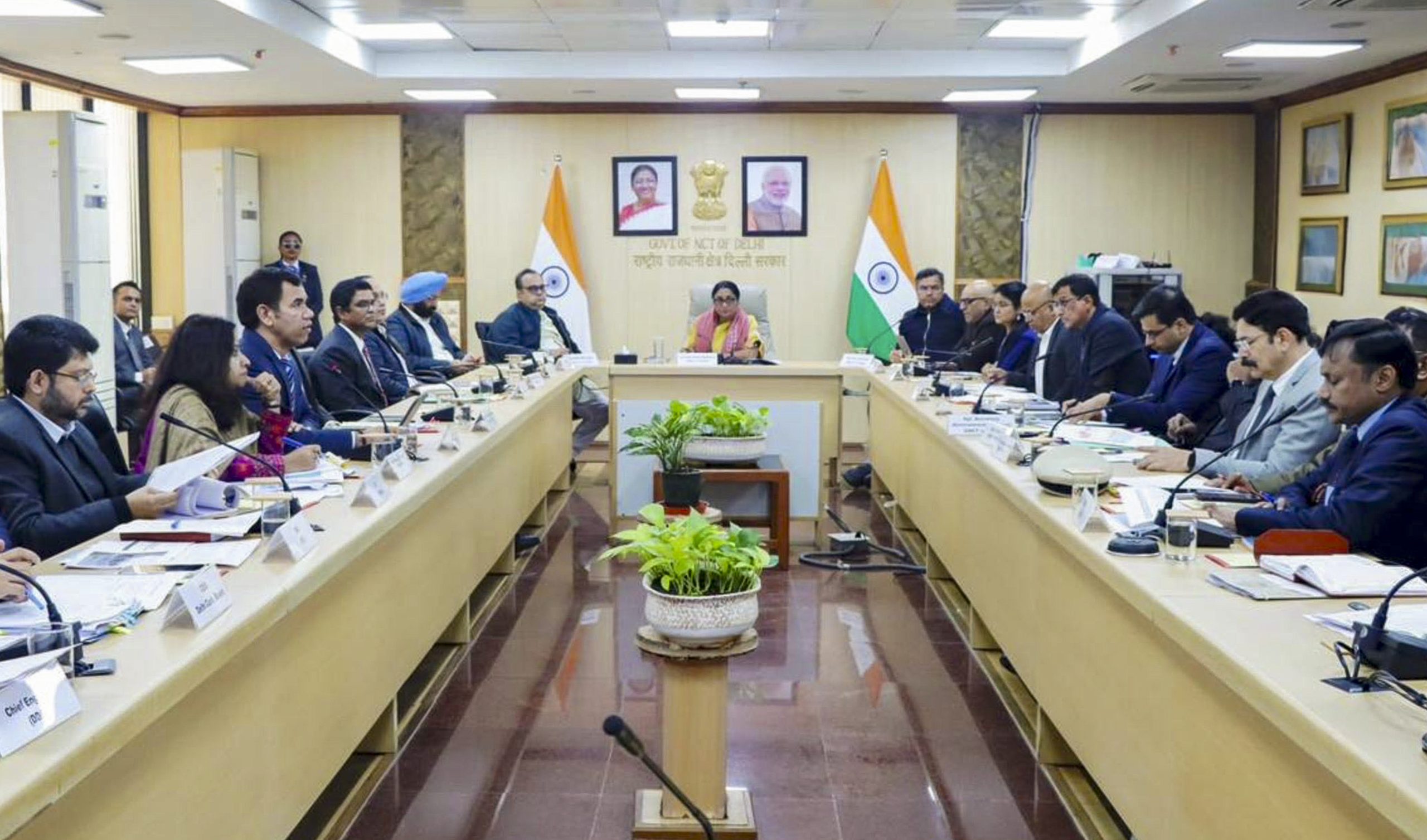
A large-scale civic infrastructure upgrade is underway in south Delhi’s Mehrauli, with development works valued at ₹135 crore formally set in motion as part of a broader neighbourhood renewal strategy. The initiative targets long-standing gaps in basic services across one of Delhi’s oldest inhabited areas, where heritage layers coexist with dense residential settlements and uneven public infrastructure.
The intervention matters beyond its headline value. Mehrauli sits at the intersection of heritage conservation, urban poverty, and rapidly changing land use. Sustained underinvestment has historically left residents navigating deteriorated roads, limited sanitation access, and fragmented community spaces. Urban planners argue that addressing such deficits is critical not only for liveability, but also for stabilising property markets and reducing pressure on informal infrastructure solutions. The current phase of works focuses on essential, people-facing assets rather than symbolic redevelopment. Planned interventions include road reconstruction, upgrades to neighbourhood parks, restoration of community buildings, new public sanitation facilities, and the introduction of open-air fitness and play infrastructure. Collectively, these improvements aim to support everyday mobility, public health, and social interaction core indicators of inclusive urban development.
Senior officials involved in the programme indicate that Mehrauli’s projects form part of a larger, constituency-level infrastructure pipeline with an overall sanctioned outlay exceeding ₹235 crore. Multiple civic agencies are involved, including departments responsible for roads, water management, urban services, and informal settlement support. Coordinated implementation is intended to reduce duplication, shorten construction timelines, and improve accountability persistent challenges in dense urban environments. From an economic perspective, neighbourhood-scale infrastructure upgrades often deliver returns disproportionate to their cost. Improved road quality enhances local commerce and service delivery, while better parks and community facilities tend to stabilise residential demand in older urban pockets. Real estate analysts note that such investments can slow displacement pressures by improving conditions without triggering speculative redevelopment.
The environmental dimension is also significant. Park rejuvenation and open gym installations contribute to urban cooling and public health outcomes, while upgraded sanitation reduces groundwater contamination risks in heritage zones with fragile subsoil conditions. Experts emphasise that climate resilience in historic localities depends less on megaprojects and more on consistent, decentralised civic maintenance. For residents, the immediate impact lies in safer streets, accessible sanitation, and revived public spaces amenities often taken for granted in newer parts of the city. However, urban governance specialists caution that sustained outcomes will depend on post-construction maintenance and community stewardship. As Mehrauli’s civic infrastructure takes shape, the next test will be whether this investment model can deliver long-term service reliability while respecting the area’s cultural and social fabric a balance increasingly central to Delhi’s future urban growth.
Delhi Mehrauli Civic Infrastructure Gets Major Upgrade