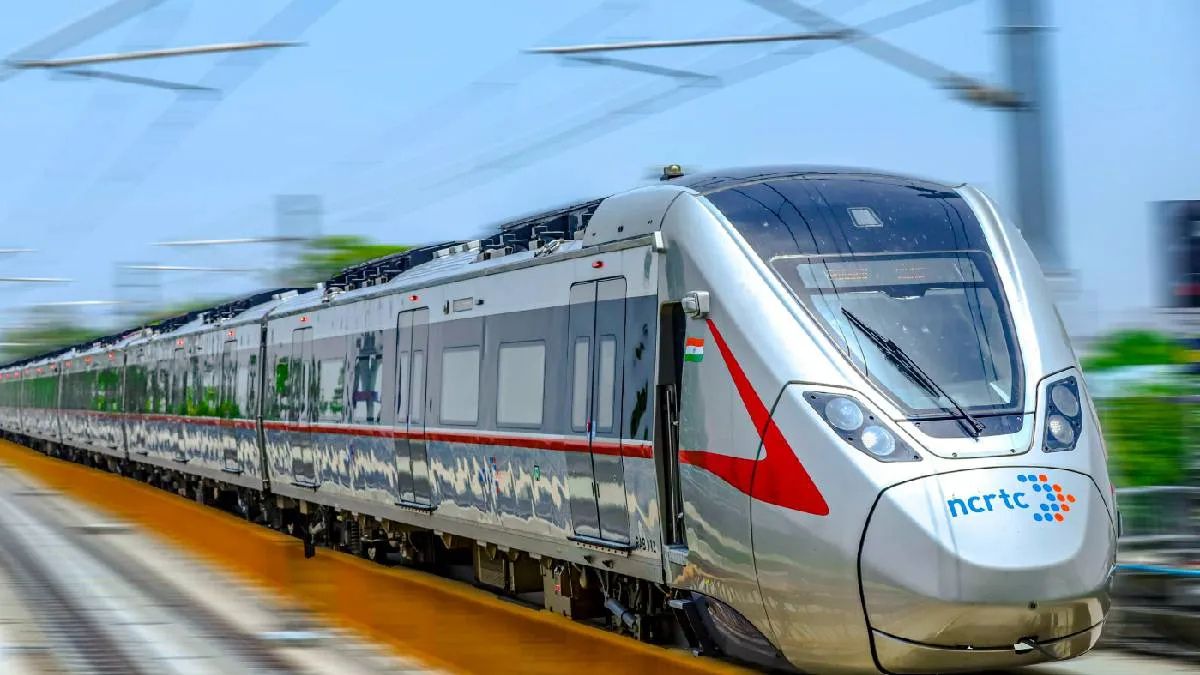
Delhi Meerut RRTS Hits Record Daily Ridership Milestone
DELHI — The Delhi–Meerut Namo Bharat Regional Rapid Transit System (RRTS) has recorded a landmark ridership figure, with more than 100,000 passengers using the corridor on its first full day of operations after the recent inauguration, highlighting strong public uptake of high-speed regional rail in the National Capital Region.
The record figure — the highest single-day usage since the full 82 km corridor from Sarai Kale Khan (Delhi) to Modipuram (Meerut) became operational — suggests a rapid shift toward efficient mass transit solutions that could reshape commuter behaviour and urban connectivity across northern India. The surge in ridership represents a significant jump from earlier average daily figures recorded before the full corridor opened, signalling rapid public adaptation to the new service. According to transport analysts, the spike reflects pent-up demand for reliable, high-capacity transit on a busy commuter axis that has long been burdened by road congestion and lengthy travel times. Key stations such as Begumpul in Meerut, Anand Vihar in Delhi and Ghaziabad’s stop emerged as the busiest on the corridor, pointing to strong use from both daily commuters and occasional travellers.
Begumpul’s strategic location in a commercial and urban hub, coupled with seamless interchanges between RRTS and the newly opened Meerut Metro, has made it a focal point for regional travel. Anand Vihar’s multimodal connections further amplify the appeal, offering links to metro lines, bus terminals and Indian Railways services. Urban transport planners say the ridership milestone should be viewed in context: the RRTS model — which blends features of suburban rail, metro frequency and near-high-speed connectivity — has been designed explicitly to offer a compelling alternative to road travel by cutting journey times significantly. With end-to-end travel now reduced to under 60 minutes compared with two to three hours by road, the corridor is positioned to alter commuting patterns across the region. This shift carries economic significance as well.
Faster and more predictable travel can expand labour market opportunities, allowing residents of Meerut, Ghaziabad and other satellite towns to access jobs and services in Delhi with greater ease. Real estate markets along the corridor are already reporting interest from developers and end-users seeking locations with rapid transit access, a trend that typically accompanies major transport investments. The environmental implications are also notable. Moving large numbers of commuters from private vehicles and intercity buses to an energy-efficient rail network can help reduce urban emissions, improve air quality and ease road congestion — outcomes that align with sustainable development goals for rapidly urbanising regions. Despite the early success, transport experts caution that sustaining and growing ridership will depend on complementary measures such as improved feeder services, integrated ticketing and last-mile connectivity that links residential and employment centres to RRTS stations.
Enhancing affordability and ensuring comfortable, reliable service are also key to cementing long-term modal shift. As daily figures continue to be monitored, the early ridership momentum underscores the potential of RRTS corridors to transform urban and regional mobility in India — offering lessons for future rapid transit initiatives in other emerging megaregions.