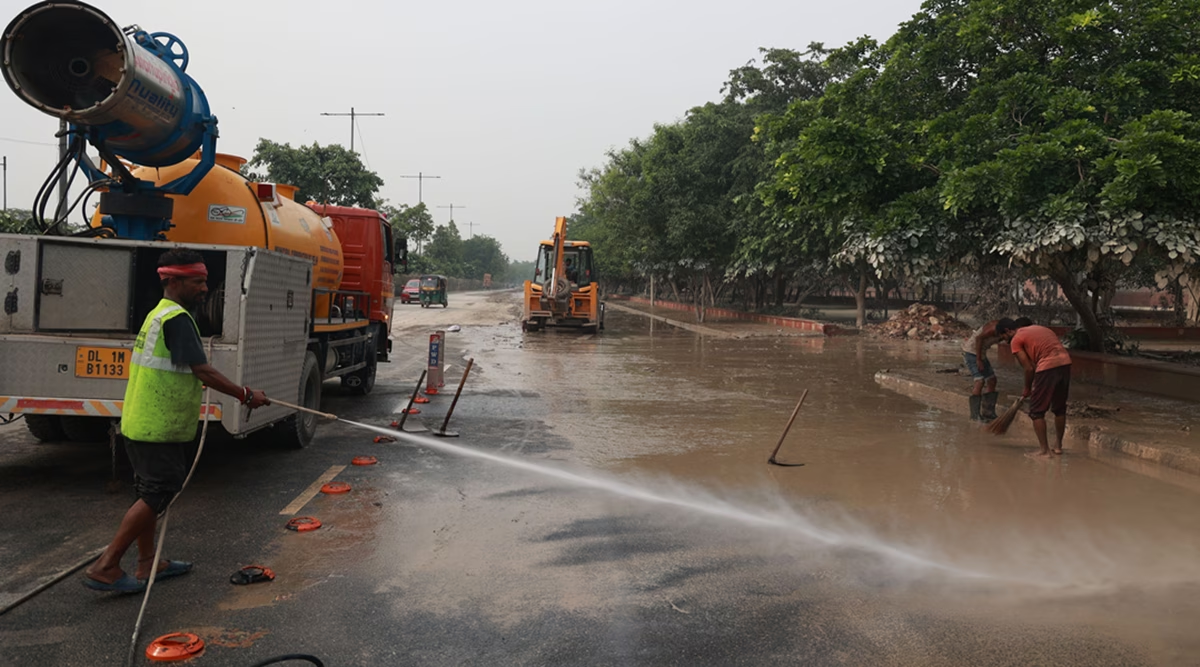
Delhi’s municipal administration has launched an unprecedented citywide sanitation monitoring exercise, mandating daily field inspections across all municipal zones to address chronic cleanliness failures and service delivery gaps. The directive, issued days after a change in leadership at the Municipal Corporation of Delhi (MCD), signals a shift from desk-based supervision to on-ground governance at a time when urban public health pressures are mounting.
The move matters beyond cleanliness. Sanitation outcomes directly affect public health costs, environmental resilience, labour productivity, and the liveability of dense urban neighbourhoods. For a city grappling with clogged drains, unmanaged waste, and informal dumping hotspots, daily inspections are being positioned as a tool to restore institutional accountability rather than a short-term cleanliness drive. Under the new framework, senior municipal officers across zones have been instructed to conduct routine physical verification of core sanitation services. These include street sweeping, segregated waste collection, transportation to processing facilities, drain maintenance, elimination of garbage accumulation points, and upkeep of community and public toilets. Officials familiar with the directive said inspections are expected to result in immediate corrective action, not delayed reporting cycles.
A key feature of the sanitation inspections mandate is the introduction of structured accountability. Zonal leadership and department heads must submit weekly inspection schedules and outcome reports through official channels, with responsibility fixed at the operational level where lapses are detected. Municipal insiders say the emphasis is on traceability linking service failure to supervision gaps rather than issuing blanket advisories that rarely translate into change.
Urban planners note that daily sanitation inspections, if sustained, could have spillover benefits for climate resilience. Regular drain maintenance reduces flooding risk during extreme rainfall events, while timely waste removal lowers methane emissions from unmanaged dumps. Improved sanitation also enhances neighbourhood safety and dignity, particularly in informal settlements where service lapses disproportionately affect women and children.
To prevent cosmetic compliance, the MCD leadership has also indicated the use of surprise field visits. Such unannounced checks are intended to deter temporary clean-ups and ensure sanitation performance remains consistent throughout the week, not just ahead of scheduled reviews. Resident welfare associations and civic groups have cautiously welcomed the initiative, noting that previous cleanliness drives often lost momentum due to weak follow-through. The success of daily sanitation inspections will depend on whether disciplinary action, staffing adequacy, and contractor oversight align with inspection findings.
As Delhi continues to expand vertically and horizontally, municipal governance is increasingly judged by everyday services rather than mega infrastructure projects. If implemented consistently, this inspection regime could mark a recalibration of how India’s largest civic body delivers sanitation treating it as urban infrastructure critical to health, climate preparedness, and economic stability.
Delhi MCD Tightens Citywide Sanitation Oversight