Delhi MCD thanks Centre for UER II project boosting city development
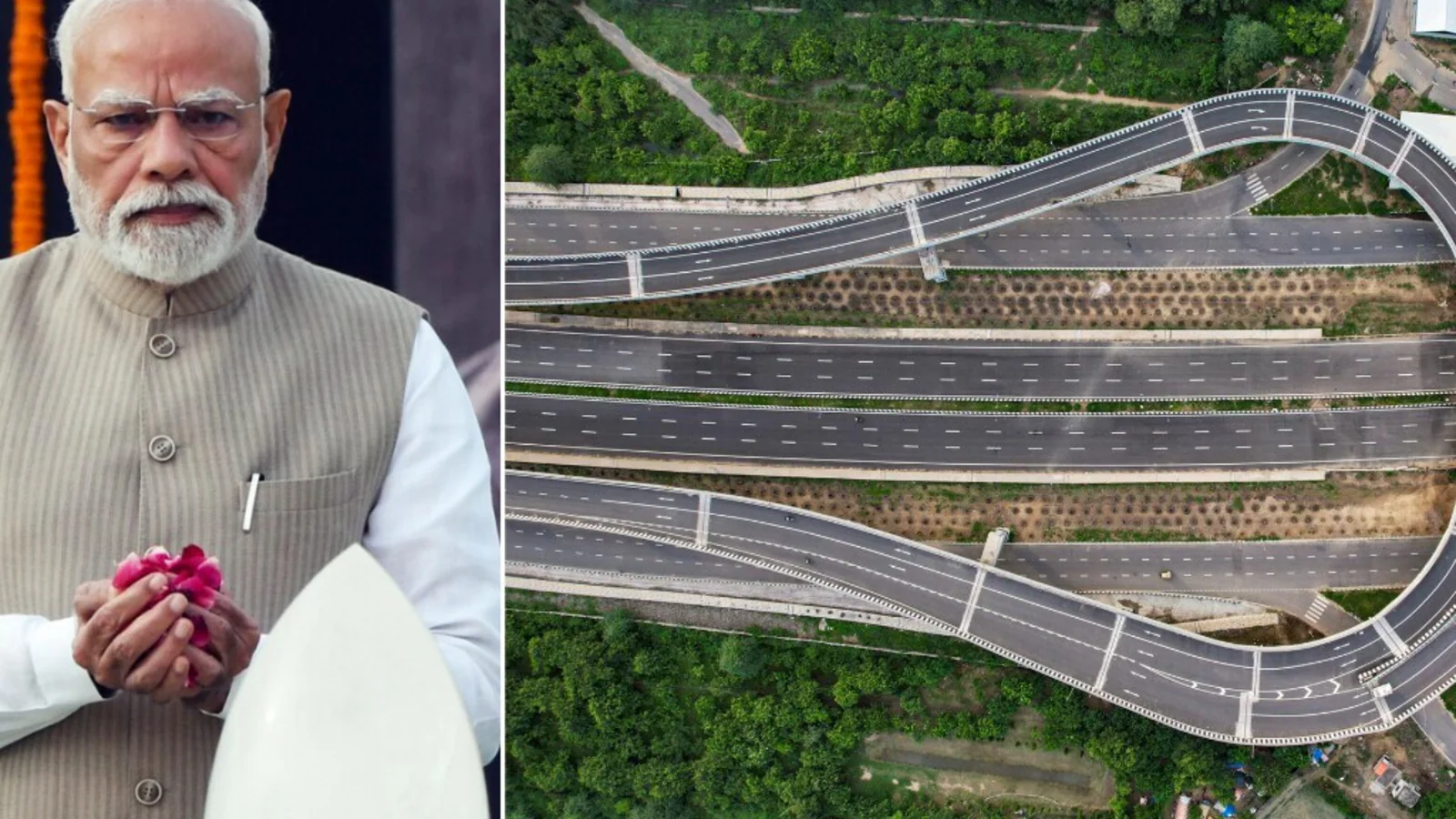
The Municipal Corporation of Delhi (MCD) has credited the Centre for delivering the Urban Extension Road-II (UER-II), describing the Rs 11,000-crore corridor as a transformative lifeline for the city. In its General House meeting, the civic body welcomed the project as a major step towards reducing congestion, improving mobility, and tackling pollution, even as it accused the opposition of obstructing developmental initiatives in the capital.
Officials said the session was meant to acknowledge the significance of UER-II, but it was marred by disruptions from members of the opposition. The civic leadership argued that the behaviour of rival councillors reflected a larger reluctance to support public welfare measures. “The intent is clear to resist development rather than enable it,” a senior official remarked.UER-II, inaugurated recently, is positioned as a critical bypass to ease traffic on Delhi’s saturated arterial roads. According to infrastructure experts, the project will not only shorten travel time between Haryana and Delhi but will also cut vehicular emissions, offering a long-term environmental benefit for the city’s choking air quality. The MCD argued that such projects must be supported across political lines as they form the backbone of a sustainable and modern capital.
Beyond UER-II, the House also took up proposals linked to urban services. A motion was moved to replace ageing sodium streetlights with energy-efficient LED lights in rural areas, a move that officials said would lower electricity costs and contribute to Delhi’s climate goals. However, the session again witnessed interruptions that slowed progress on deliberations.Despite the heated exchanges, the civic body managed to clear key items, including contracts for hospital services, medical gas supply, and allocation of land for a metro corridor. Officials insisted these measures are critical for improving civic amenities, particularly in health infrastructure and public transport. Yet, several agenda points such as extending housekeeping contracts in civic hospitals and proposals linked to mechanical road sweepers were deferred for future meetings due to the disruptions.Urban planners note that the confrontations reflect the growing tension between competing political priorities in Delhi.
While large-scale infrastructure projects like UER-II are welcomed by residents and businesses, the lack of consensus risks slowing down parallel initiatives on environment, health, and housing. “The city cannot afford delays in decision-making when population pressure and climate challenges are mounting,” said an urban policy expert.For now, the MCD has underscored that UER-II marks a milestone for Delhi’s infrastructure. Whether political consensus can be built around such projects remains a test for governance in the capital, which increasingly requires coordination rather than confrontation to meet the needs of its citizens.