Delhi MCD Invites Sustainable Proposals for Reclaimed Land From Landfills
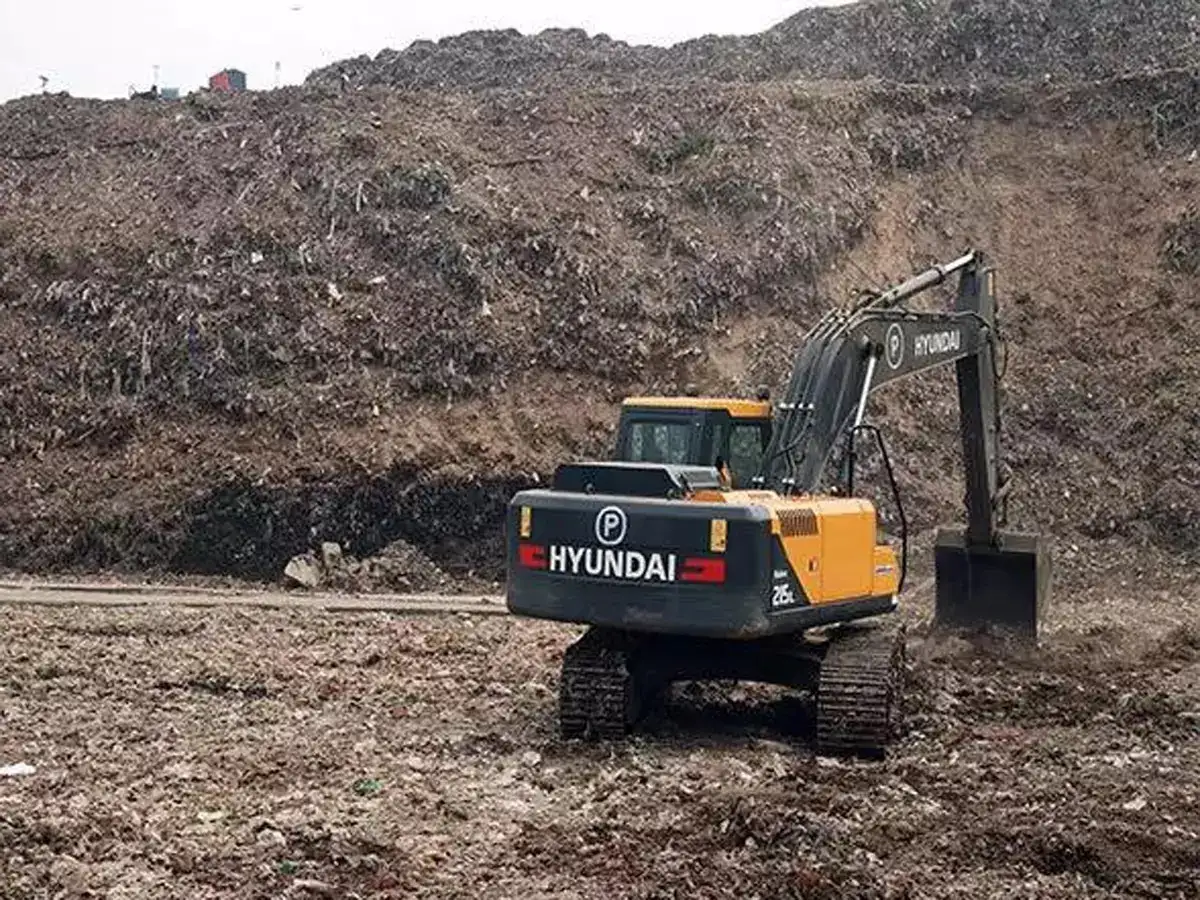
The Municipal Corporation of Delhi (MCD) has launched a fresh call for proposals to explore sustainable and innovative uses of land reclaimed from three of the city’s overflowing landfill sites. The initiative follows the ongoing biomining project, which aims to clear legacy waste at Okhla, Bhalswa, and Ghazipur by 2026 and 2027, as per National Green Tribunal (NGT) directives.
MCD officials confirmed that the reclaimed land spans over 200 acres across the three sites. One-third of the land is earmarked for dense forestation, another third for integrated waste processing facilities, while the remaining portion is open for proposals from private stakeholders under public-private partnerships or hybrid annuity models. Bamboo plantations have already been established on parts of Okhla and Bhalswa, while plans for construction and demolition recycling plants are under review for Okhla, and a waste-to-energy facility is expected on the Ghazipur site.
“Through this initiative, we aim to transform previously unusable landfill land into assets that support sustainable urban development, eco-friendly infrastructure, and community engagement,” an official from MCD stated. The call for proposals for the remaining one-third of reclaimed land is expected to conclude by September 30.Concurrently, MCD is identifying alternative locations to divert fresh municipal waste, preventing existing landfills from being re-burdened. Officials confirmed that a site in Singhola, north Delhi, is being considered for Bhalswa waste diversion, with other locations under evaluation for Ghazipur and Okhla. The diversion strategy aims to accelerate the legacy waste clearance process, which has faced delays due to space constraints, financial and procedural hurdles, and ongoing dumping of fresh waste.
Biomining, the core method of the reclamation process, separates reusable components such as plastics, paper, cloth, sand, and bricks using trommel machines. Launched in July 2019 following NGT orders, the project has gradually progressed despite challenges, with officials emphasising that substantial progress must be demonstrated within six months of each operational phase.Experts highlight that reclaiming landfill land for eco-conscious and innovative uses has multiple benefits, including improving urban livability, reducing environmental hazards, and generating potential revenue streams through PPP initiatives. The MCD’s initiative also aligns with broader urban sustainability goals, fostering green infrastructure while mitigating the ecological impact of legacy waste.With the strategic integration of reclamation, biomining, and sustainable development, Delhi could set a benchmark in transforming landfill sites into multifunctional urban spaces, combining environmental stewardship with civic utility and community-centric planning.