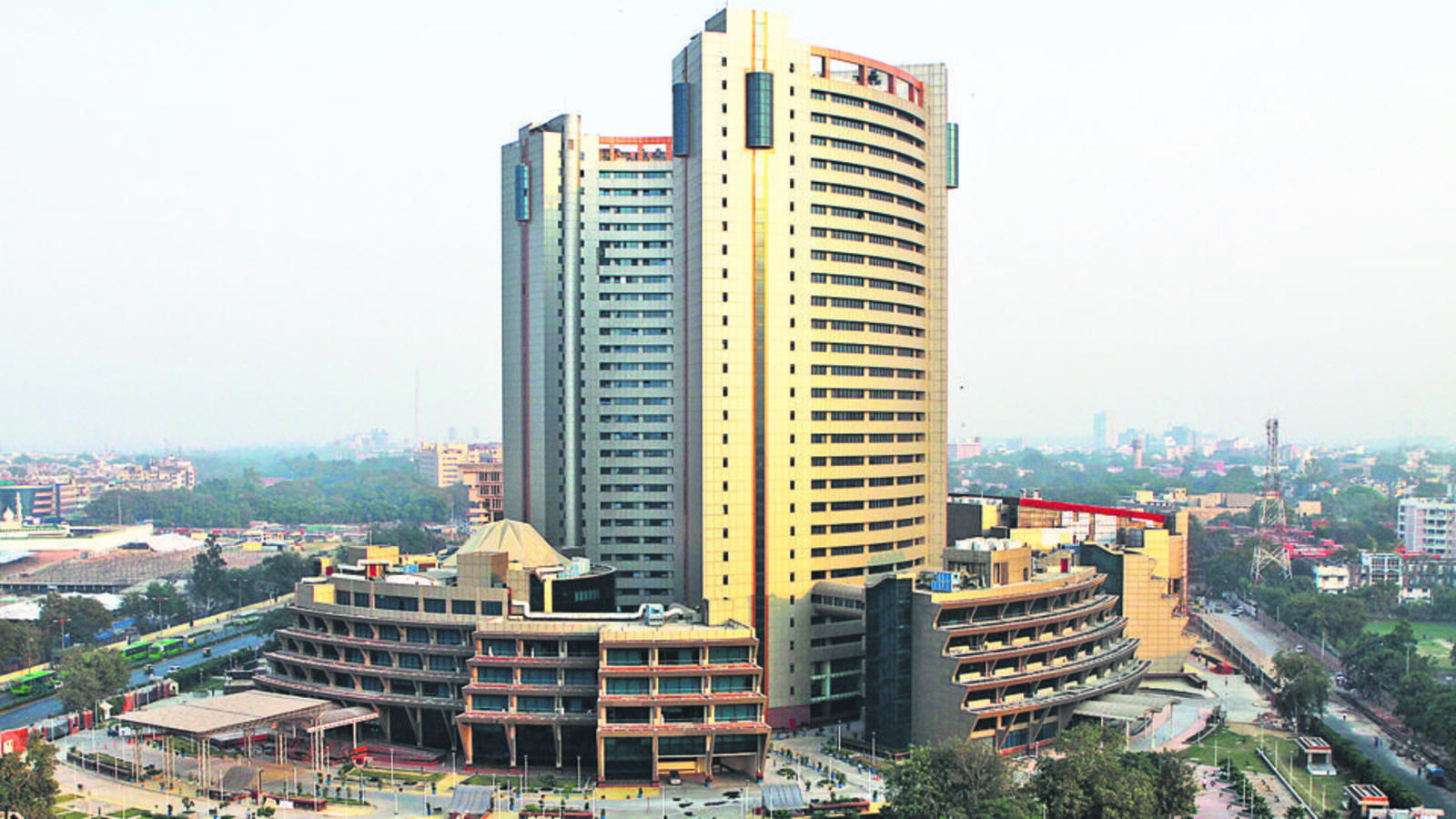
Delhi’s Municipal Corporation has approved a new policy introducing financial penalties for organisations managing Animal Birth Control centres, aiming to address persistent gaps in sterilisation and rabies prevention across the city. The move, which comes alongside a ₹13.5-crore sanction for ongoing and pending sterilisation work, marks one of the most stringent accountability frameworks adopted for urban animal welfare programmes in recent years.
Under the revised rules, payments to participating NGOs may be reduced if rabies cases or new dog births are reported within their allotted zones. Officials say the changes are intended to ensure effective sterilisation, improve monitoring of vaccinated dogs, and strengthen public health safeguards. The policy is also shaped by recent Supreme Court directives urging municipal bodies to better manage stray dog populations while maintaining humane treatment standards.
According to senior civic officials, Delhi aims to sterilise roughly 135,000 dogs between April 2025 and February 2026, an undertaking that requires both operational expansion and stricter oversight. The Corporation currently pays between ₹900 and ₹1,000 per animal for sterilisation and immunisation, but internal reviews have highlighted gaps in monitoring outcomes and verifying whether the procedures translate into stable population control.
Members of the Local Animal Birth Control Monitoring Committee, whose findings prompted the policy revision, argue that earlier arrangements lacked clear accountability despite significant annual expenditure. “The programme’s impact was weakened because results varied widely across wards,” a senior official said, noting that rising stray dog numbers were reported even in areas with ongoing sterilisation drives.However, professionals working within the animal welfare ecosystem say the new penalty mechanism places responsibility on NGOs without addressing structural flaws. Representatives from ABC centres point out that rabies-infected dogs can easily cross territorial boundaries, making it difficult to trace the origin of exposure. Others emphasise the absence of a citywide tracking system for sterilised animals. Several experts argue that microchipping still not universally implemented must precede any punitive framework.
Animal welfare advocates also caution that penalties could discourage competent agencies from participating, especially when many existing centres are burdened by ageing infrastructure, inconsistent funding cycles and limited veterinary capacity. They suggest that the Corporation focus on upgrading kennels, improving cold-chain management of vaccines, standardising surgical protocols, and ensuring accurate digital documentation. “Strengthening the basics will deliver more reliable outcomes than fines alone,” one expert observed.Civic authorities say they are preparing to invite additional NGOs to participate in sterilisation and infrastructure development, as Delhi works toward a more coordinated and humane approach to street dog management.
The proposed selection criteria centre on cost efficiency, operational capability and scalability elements seen as crucial for meeting high-volume annual targets.
As Delhi continues to balance public safety, animal welfare and urban health priorities, the success of the revised framework will depend on whether the city can combine accountability with better data systems, resilient infrastructure and collaborative planning cornerstones of any inclusive and sustainable urban strategy.
Delhi MCD Imposes Penalties On NGOs As Rabies Cases Raise Accountability Concerns