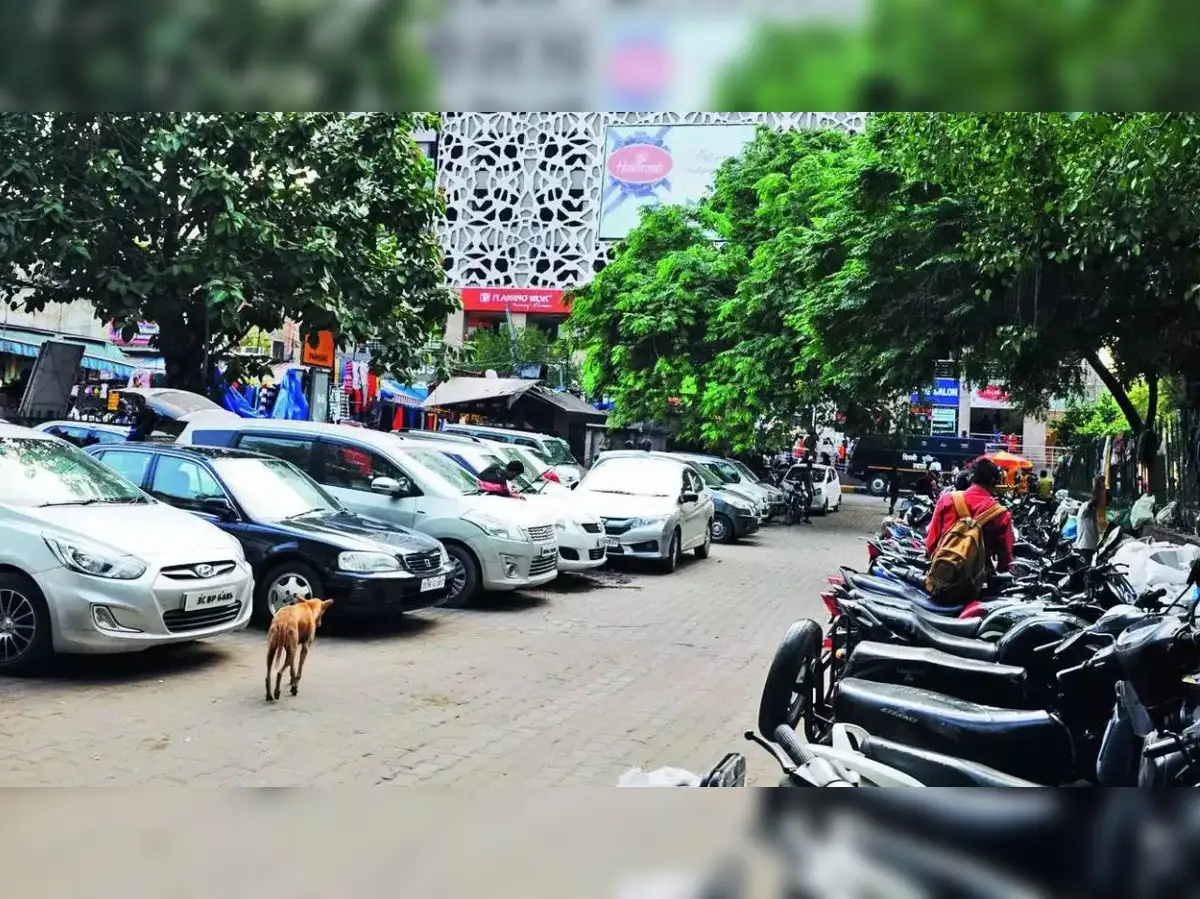
Delhi may phase out 300 surface parking sites for sustainability
The national capital could soon witness the gradual removal of surface parking as the Municipal Corporation of Delhi (MCD) moves to phase out the system that has long been associated with congestion, mismanagement, and misuse. Officials confirmed that a formal proposal is being readied for submission to the Delhi government, raising prospects of a fundamental shift in how the city manages its limited urban space.
Surface parking, which typically operates as open ground-level areas without defined entry or exit points, has been the dominant form of public parking in Delhi for decades. At present, more than 300 such sites operate under MCD authorisation, largely run by private contractors. However, these spaces have often become flashpoints for civic complaints, including haphazard vehicle placement, overcharging, and frequent encroachments beyond designated boundaries.
Senior officials explained that the civic body receives mounting grievances despite not directly running the sites, as contractors act on its behalf. The lack of regulation and infrastructure has made these facilities ineffective in addressing the city’s mobility needs. “Surface parking is neither revenue-efficient nor citizen-friendly, and its removal could reduce unnecessary disputes,” said one official. The MCD is reportedly considering making parking free in the short term while shifting long-term planning towards multi-level and authorised barrier-based facilities. Such facilities, which involve enclosed or regulated access points, are seen as more sustainable in a city where land availability is scarce and vehicle density is among the highest in the country.
One major challenge highlighted by civic officials is the potential revenue loss. Motorists currently pay a one-time parking fee at the time of vehicle registration, which contributes to civic revenue under the assumption of continued use of surface parking. To address this, the corporation is examining an option to double the one-time registration fee, thereby eliminating the need for recurring surface parking charges while ensuring steady income streams. Concerns about possible chaos following the removal of surface parking have also been raised. Yet, past examples suggest that unregulated open spaces managed directly by residents and traders, such as in certain markets, have operated more smoothly once contractors were withdrawn. Officials argue that the city should focus on structured solutions rather than perpetuating a flawed system.
Experts note that the debate is not merely administrative but deeply tied to the larger vision of creating a more sustainable and equitable city. With Delhi’s vehicle count exceeding that of Mumbai, Kolkata, and Chennai combined, transport planners insist that land should be prioritised for public transit, walking, and cycling rather than low-value parking. If approved, the phasing out of surface parking could mark a bold shift towards eco-friendly urban mobility, forcing the capital to rethink how public spaces are used in the face of rising congestion and environmental stress.