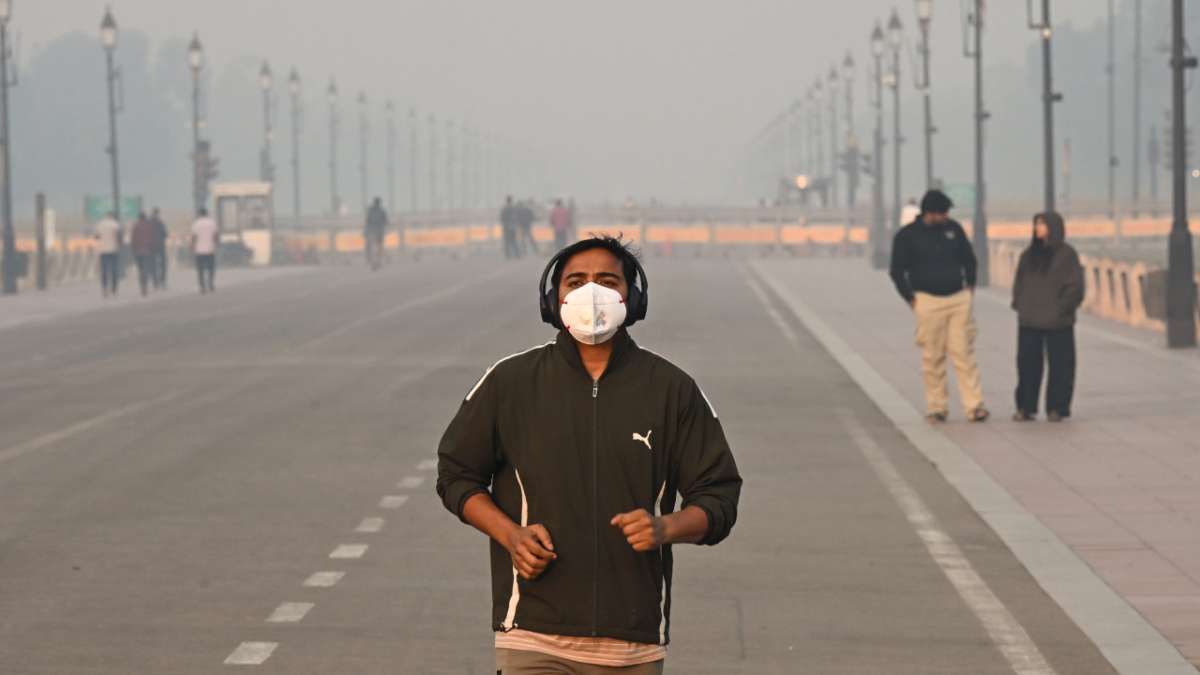
Delhi has moved into emergency response mode as worsening air quality pushed authorities to mandate work from home for 50 per cent of employees across government and private offices. The decision, triggered by the activation of the strictest pollution control stage in the capital, reflects growing concern over the health and economic costs of prolonged exposure to toxic air in one of India’s largest urban economies.
The measure, announced as particulate levels surged into the “severe plus” category, exempts essential services such as healthcare, policing, banking and utilities. Officials said the objective is to immediately reduce vehicular movement and workplace congestion, which together account for a significant share of winter emissions in the city. Urban mobility experts note that even a partial shift to remote work can cut peak-hour traffic and lower tailpipe pollution during critical episodes.
Alongside mobility restrictions, the government has announced direct income support for construction workers impacted by a complete halt on building activity. A senior minister confirmed that a one-time transfer of ₹10,000 will be credited to the accounts of registered and verified workers affected by the suspension of works. The move aims to soften the economic shock for informal labourers who are often the first casualties of emergency environmental measures.
The steps follow the enforcement of Stage IV of the Graded Response Action Plan across Delhi and adjoining regions. This phase brings the toughest curbs, including a blanket ban on construction and demolition activities, restrictions on truck entry into the capital, and limitations on older diesel vehicles. Even large public infrastructure projects have been paused, underscoring the severity of the situation. Education has also been affected, with schools directed to operate in hybrid mode across multiple grades, allowing students to attend classes online where feasible. Public health specialists say children and outdoor workers face heightened risks during such pollution spikes, making reduced physical exposure a critical short-term safeguard.
From an economic perspective, business groups acknowledge the disruption but broadly support the temporary work-from-home mandate. An industry representative said digital readiness across sectors has improved since the pandemic, enabling offices to maintain productivity while complying with public health directives. However, experts caution that repeated emergency shutdowns highlight the need for structural solutions rather than seasonal firefighting. Urban planners argue that Delhi’s recurring winter smog underlines deeper challenges around construction practices, freight movement, energy use and urban sprawl.
While emergency measures provide immediate relief, long-term gains will depend on cleaner mobility, decentralised employment hubs and stricter enforcement of emission norms. As the capital navigates another pollution crisis, policymakers face the dual task of protecting public health while ensuring livelihoods are not disproportionately harmed. The current response signals a growing recognition that environmental resilience and economic continuity must be planned together in India’s largest cities.
Delhi Mandates Fifty Percent Work From Home Amid Severe Pollution Emergency Citywide