Delhi Malba Portal Targets Construction Waste Tracking
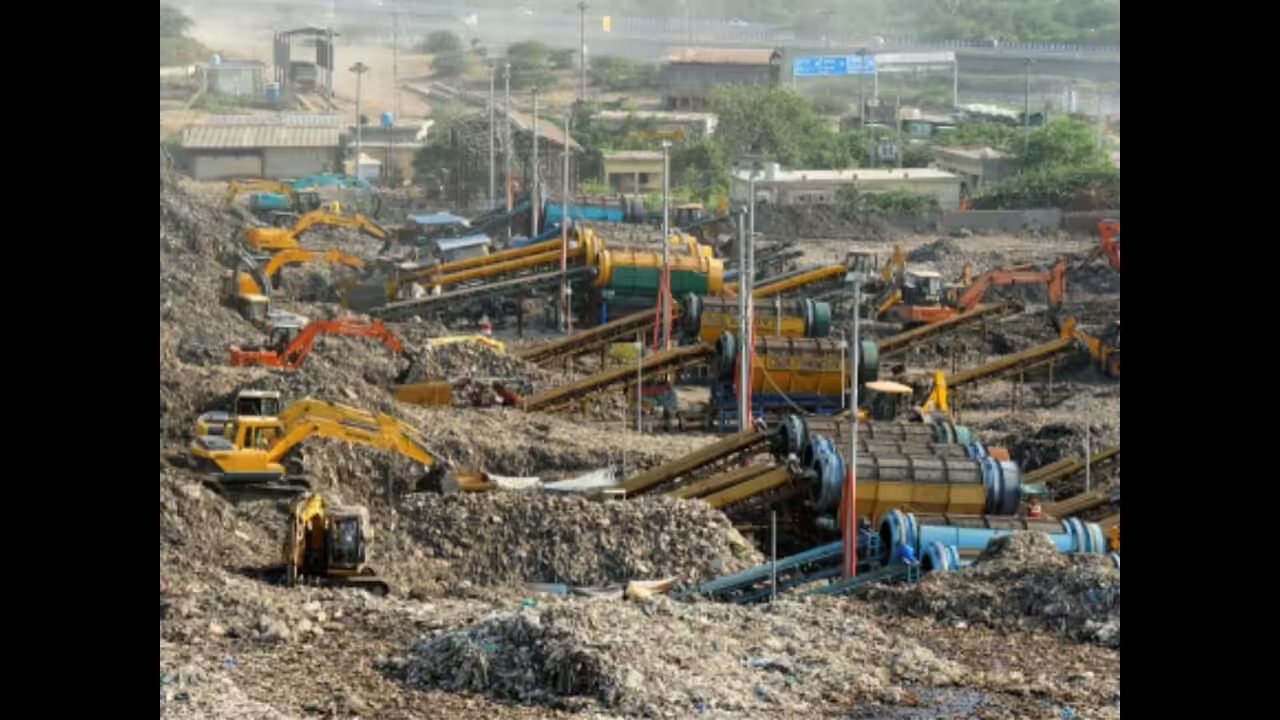
Municipal authorities in the national capital have introduced a digital monitoring platform designed to regulate the handling of construction and demolition debris, a persistent challenge in a rapidly expanding metropolis. The new system, known as the Delhi Malba Portal, is expected to streamline debris collection while reducing illegal dumping that contributes to dust pollution and urban environmental degradation. Officials overseeing city administration say the portal is intended to create a structured process for managing waste generated from construction activity, which has increased significantly alongside infrastructure expansion, housing development and commercial projects across the capital. Thousands of tonnes of construction debris are produced daily, and improper disposal has frequently resulted in waste accumulating on roadside stretches, vacant land and public spaces.
The Delhi Malba Portal enables residents, developers, contractors and government agencies to request debris collection through an online interface or a QR-based access system. Once a request is submitted, the platform connects users with transport operators registered with the municipal corporation. These authorised operators are responsible for collecting the material and transporting it to designated processing centres or recycling facilities. Urban governance specialists say the digital system introduces a traceable supply chain for construction waste management. Each transport trip is logged and digitally monitored, allowing civic authorities to verify that debris reaches approved disposal or recycling sites rather than being dumped in unauthorised locations. Construction and demolition waste is a significant contributor to urban dust pollution in many Indian cities. When debris is left exposed on open land or roadside areas, fine particles can easily become airborne, worsening air quality and creating public health risks. Regulators believe that improving collection logistics and monitoring disposal routes could reduce these environmental impacts.
The launch of the Delhi Malba Portal also aligns with upcoming national guidelines on construction and demolition waste management scheduled to come into force in the coming months. These rules are expected to place stronger emphasis on accountability in waste handling while promoting recycling and reuse of materials generated from demolition and building activities. Urban infrastructure experts say the initiative may also help strengthen the circular economy in the construction sector. Debris collected through organised systems can be processed into recycled aggregates, paving materials and other construction inputs, reducing the demand for natural resources while lowering landfill pressure. The capital has been investing in facilities capable of converting construction debris into reusable building materials. Integrating such recycling infrastructure with a digital tracking platform could help ensure that waste generated by development projects becomes a resource rather than an environmental liability. Municipal officials indicate that the Delhi Malba Portal will also encourage civic participation by making it easier for residents and small contractors to access authorised waste disposal services. By digitising requests and linking them directly with verified transport operators, authorities hope to reduce informal dumping practices that have historically been difficult to regulate.
As construction activity continues to expand in India’s largest urban centres, the success of such digital systems may determine how effectively cities balance infrastructure growth with environmental responsibility and cleaner urban landscapes.
Delhi Malba Portal Targets Construction Waste Tracking