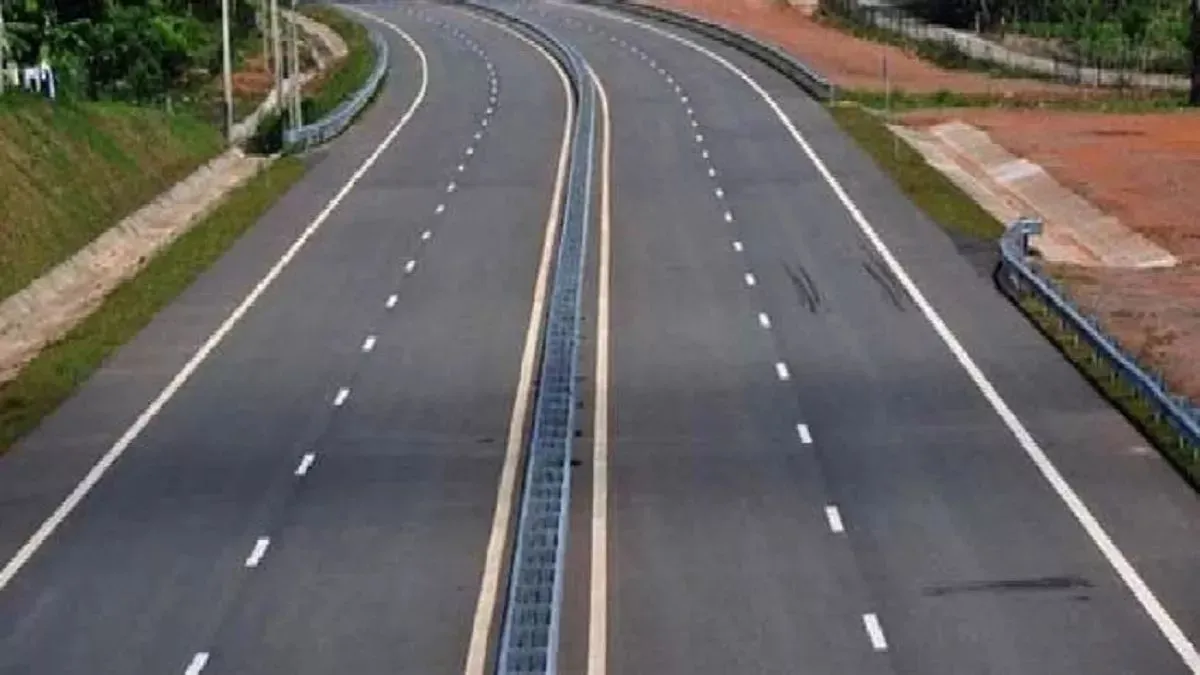
Delhi Lucknow Highway closed two weeks for Kosi Bridge repair works
Delhi-Lucknow Highway commuters will face a complete traffic shutdown for nearly two weeks starting 5 October, as major repair works begin on the ageing railway overbridge across the Kosi River. The closure, between Photo Chungi in Rampur and the Kosi Bridge, will affect thousands of daily travellers, adding detours of 10–12 kilometres and raising concerns about congestion, fuel consumption, and environmental impact.
Highway authorities confirmed that the bridge’s expansion points and structural bearings require urgent reinforcement to ensure safe passage. Officials overseeing the project explained that the work, scheduled to last approximately 14 days, is critical to extending the lifespan of the corridor which is one of the busiest road links connecting Delhi to Lucknow and further to eastern India. During this period, traffic will be completely restricted in the affected stretch.
Alternative routes have been arranged, but they will demand additional travel time. Vehicles heading towards Moradabad will be rerouted through the Shahjahannagar bypass to the Kosi Bridge. Roadways buses from Uttarakhand to Delhi and Moradabad will be diverted via Koyli village before rejoining the highway. Buses from Bareilly will need to first stop at Rampur bus station before returning via Shahjahannagar to continue towards Moradabad. Similarly, local traffic, including private vehicles, will have to rely on detours through Shahjahannagar and Ajitpur.
Highway planners argue that while the diversions are necessary, the temporary closure raises pressing questions about how India’s expanding road network is maintained. Experts stress that such urgent repairs highlight the lack of long-term planning in highway infrastructure, which often results in sudden disruptions for commuters and freight operators alike. With Delhi–Lucknow forming part of a major economic corridor, every delay directly impacts businesses, supply chains, and daily commuters.
Beyond immediate inconvenience, environmental observers point out that long detours during closures increase vehicular emissions and fuel consumption. In the context of India’s ambitious commitments to build sustainable and low-carbon transport systems, frequent highway closures underline the need for greener, future-ready infrastructure planning. Urban mobility specialists note that cities and their connecting highways must be built to withstand the pressure of rising traffic, climate variations, and ageing structures without frequent shutdowns.
At ground level, officials have attempted to ease commuter anxiety by installing banners, informing passengers about diversions in advance. Still, transport experts suggest that the episode should serve as a wake-up call to integrate predictive maintenance and resilient design into India’s highway projects. For citizens, the closure is a reminder of how fragile the daily mobility ecosystem remains, dependent on a handful of bridges and bottleneck stretches.
The repair may temporarily disrupt thousands of journeys, but it offers a chance to reflect on whether India’s highways can evolve into truly sustainable arteries of mobility ones that deliver safety and efficiency without compromising the environment or burdening citizens with repeated disruptions.