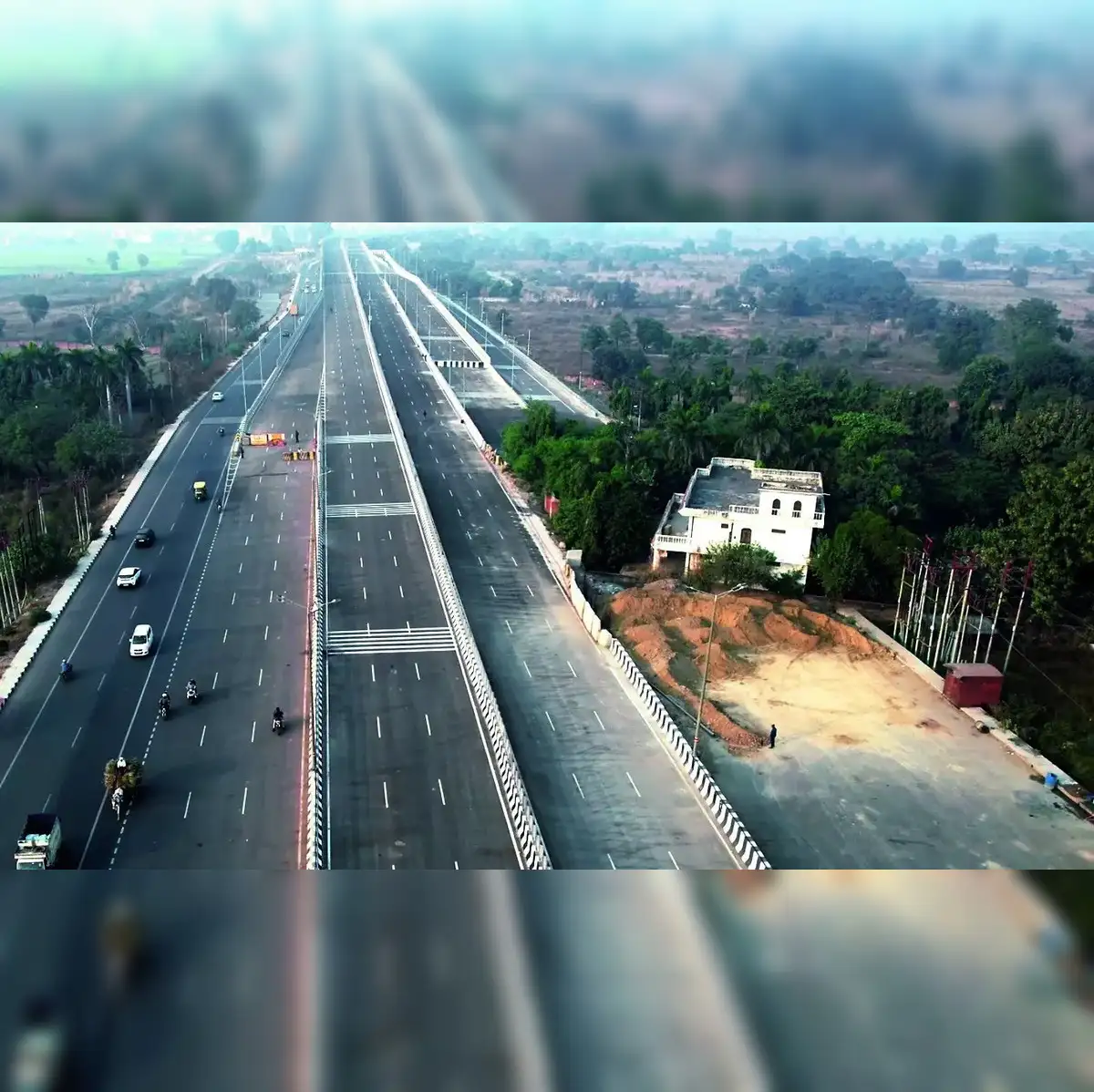
Delhi Loses Over Five Thousand Trees For Dehradun Expressway Project
Delhi has witnessed large-scale deforestation as over 5,100 trees have been felled for the Delhi–Dehradun Expressway, according to a recent response from the National Highways Authority of India (NHAI) under a Right to Information (RTI) query. The project, aimed at reducing travel time between Delhi and Dehradun to just two-and-a-half hours, has already drawn criticism for the environmental impact along its route.
The NHAI’s Project Implementation Unit (PIU) in Ghaziabad confirmed that 5,104 trees were removed between Akshardham and the Delhi–Uttar Pradesh border, while an additional 1,055 trees were axed on the stretch extending to the Eastern Peripheral Expressway junction. This brings the total number of trees cut within a 31-kilometre stretch to 6,159. Officials noted that no tree transplantation has been carried out under the jurisdiction of the PIU office.
The RTI, filed by a local resident, sought details on tree felling, transplantation, and afforestation measures. While the number of trees felled has been disclosed, information on compensatory plantation, sapling survival rates, or expenditures remains unavailable, with the authority pointing to state forest departments for further data.Environmental experts warn that such large-scale tree removal could have long-term ecological consequences, including increased air pollution, loss of biodiversity, and urban heat island effects. “Infrastructure development is essential, but urban green cover must be preserved. Without robust afforestation measures, the project may compromise Delhi’s sustainability goals,” said a senior official from the city’s environment department.
The Delhi–Dehradun Expressway is a flagship initiative by the central government and is nearing completion in the city. Scheduled to be operational by October, the expressway is expected to streamline transport and improve connectivity between the national capital and Uttarakhand. However, the project illustrates the trade-offs between rapid infrastructure development and ecological preservation.Officials emphasised that the afforestation data and compensatory plantation efforts are handled by the forest departments of Delhi and Uttar Pradesh. Yet, the absence of transparency regarding how many saplings have been planted and survived raises concerns among environmentalists and residents.
Transport and urban planning experts suggest adopting integrated planning frameworks that prioritise eco-friendly construction practices. Measures such as replanting native species, creating urban green corridors, and ensuring tree survival monitoring could mitigate the environmental cost of essential infrastructure projects.While the Delhi–Dehradun Expressway promises economic and travel benefits, the environmental cost remains a pressing concern. Stakeholders urge authorities to provide clear data on compensatory afforestation and ensure sustainable practices are embedded into large-scale infrastructure projects to maintain ecological balance in Delhi and surrounding regions.