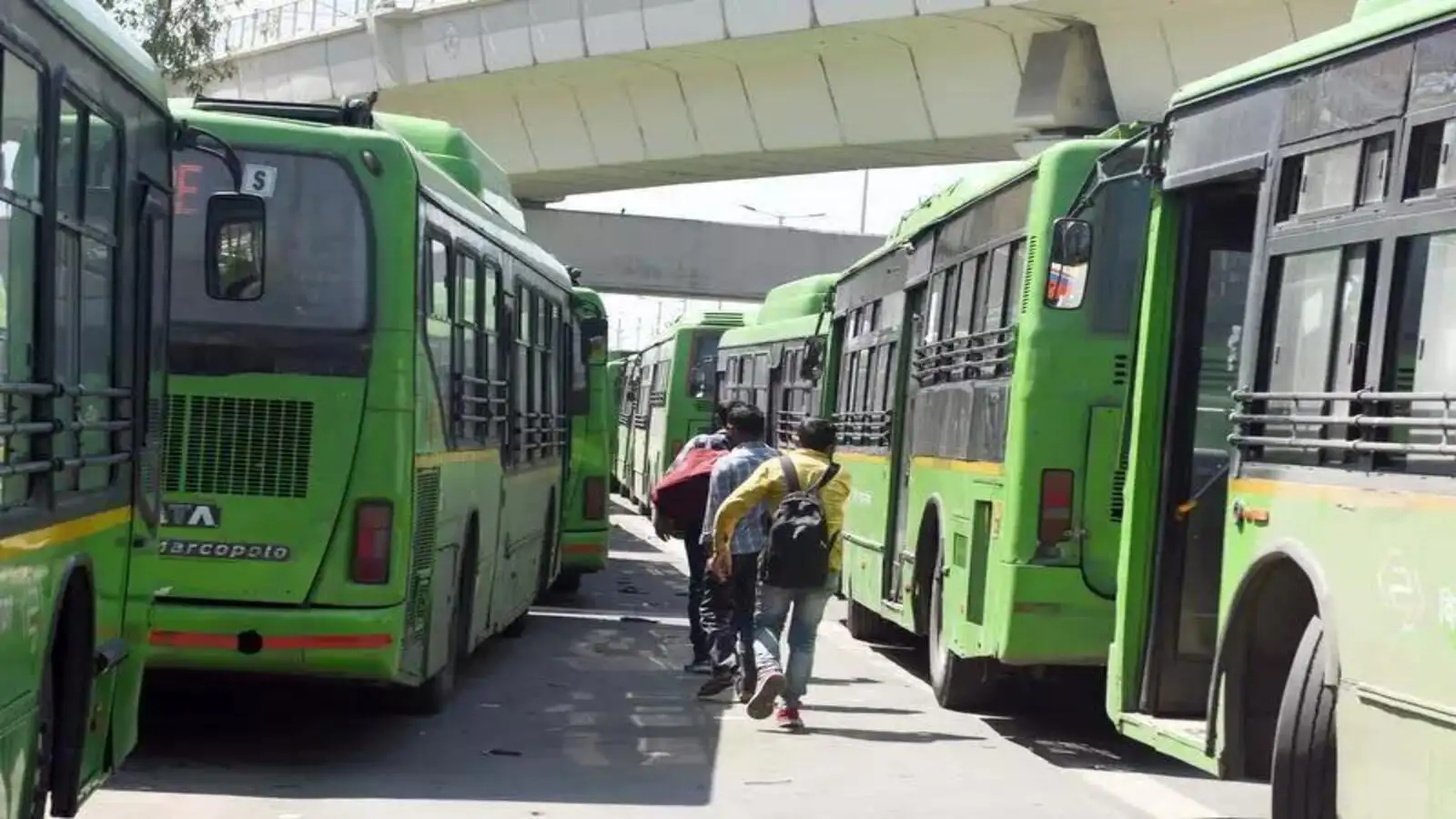
Delhi launches UPI ticketing on DTC buses for cashless travel
Delhi is taking another leap towards digital and sustainable mobility. The Delhi Transport Corporation (DTC) has introduced a system that allows passengers to pay for their bus tickets using UPI-based transactions through newly installed electronic point-of-sale (e-PoS) machines.
The move marks a significant step in modernising the capital’s public transport network. Officials confirm that these e-PoS machines will not only support instant digital payments but also integrate GPS-based monitoring, enabling authorities to track buses in real time. This dual benefit is expected to reduce operational inefficiencies and give passengers more reliable travel information.
The pilot phase is being rolled out at depots in Tantri Hastnapur, Kalkaji, and Rajghat Depot-2. The system will gradually be expanded to cover the entire DTC fleet across Delhi, bringing cashless convenience to millions of daily commuters.One of the defining features of the upgrade is the digital issuance of Pink Tickets for women passengers. Until now, the process relied heavily on manual distribution. With the integration of e-PoS systems, this welfare measure becomes smoother, transparent, and inclusive, reflecting the city’s push for gender-equitable access to public transport.
Transport experts point out that this initiative is part of a broader trend where urban mobility is being aligned with digital infrastructure, sustainability goals, and reduced dependency on paper-based or cash-driven systems. By cutting down on manual ticketing and paper slips, the city indirectly lowers its carbon footprint, contributing to cleaner, eco-friendly operations.The launch coincides with the government’s Seva Pakhwada campaign, which seeks to drive reforms in public services with a citizen-first approach. Officials say the timing of this launch is deliberate, as it signals how technology can be used to make public transport not only efficient but also more inclusive and environmentally responsible.
For daily commuters, the real value lies in convenience. With smartphones already serving as the hub for payments in retail and personal transactions, extending UPI to public buses bridges a critical gap. It eliminates the need for carrying loose change, speeds up boarding, and adds a level of transparency to ticketing revenue that benefits the entire system.Urban planners highlight that such measures are essential if Delhi is to encourage more citizens to shift from private vehicles to buses. The credibility of the system improves when passengers find the service faster, reliable, and technologically aligned with their daily habits. The added GPS tracking will also open doors to more informed route planning and potentially improved punctuality. As Delhi positions itself as a leader in sustainable urban transport, the integration of digital ticketing can serve as a template for other cities. It reflects how technology, equity, and eco-consciousness can come together to build cities that are more accessible and forward-looking.