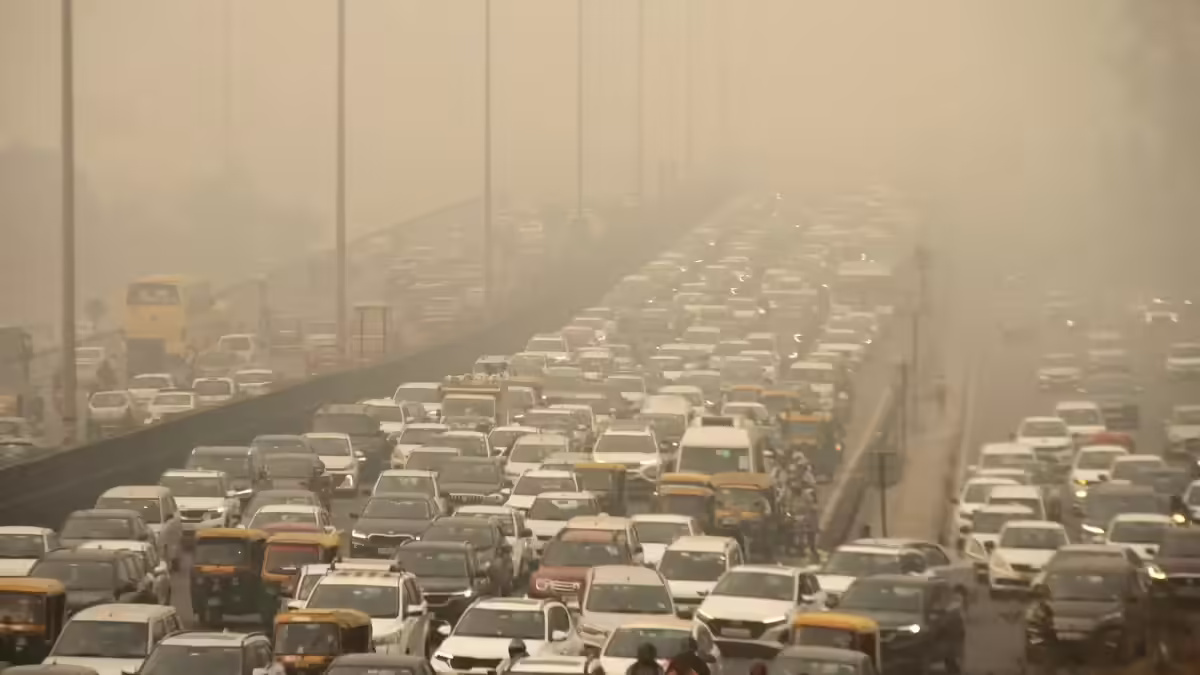
Delhi Launches Trials For Air Pollution Technology
Delhi is preparing to test a series of experimental technologies aimed at reducing urban air pollution, with authorities planning field trials of 22 shortlisted innovations across the capital before the end of the month. The initiative marks one of the city’s most structured attempts to evaluate practical air pollution technology capable of tackling both vehicular emissions and particulate matter in densely populated urban corridors. The programme follows a competitive innovation challenge organised by the city administration to identify scalable and cost-effective solutions for improving air quality. More than 280 proposals were submitted by startups, researchers, and engineering firms. After multiple evaluation stages involving technical experts from national research institutions and automotive bodies, 22 technologies were selected for pilot deployment.
Officials involved in the process said the shortlisted air pollution technology projects broadly fall into two categories. The first focuses on reducing emissions from vehicles — still one of the largest contributors to the capital’s deteriorating air quality. These innovations include filtration systems fitted onto vehicles, retrofit emission-control devices designed for older engines, and particulate collectors that can be installed on diesel-powered heavy transport vehicles. The second group targets pollution already present in the atmosphere. These proposals involve roadside dust collection units, compact air purification systems installed on urban infrastructure such as lighting poles or road dividers, and large-scale air treatment installations designed for high-footfall areas. Field testing will take place across diverse locations in the city, including major bus terminals, high-traffic transport corridors, public service facilities and open public grounds. Urban planners say the varied sites are intended to generate real-world data on how the technologies perform under different pollution loads and traffic conditions.
Government agencies responsible for municipal services, transport operations and urban infrastructure have been directed to facilitate the trials by providing access to sites, vehicles, electricity supply and operational clearances. Senior officials involved in the programme emphasised that the goal is to produce scientifically verifiable results rather than short-term demonstration projects. Each project may receive limited financial support for on-ground testing, allowing developers to install and monitor their systems across multiple urban locations. Independent monitoring institutions are expected to track pollution reduction performance and operational feasibility throughout the testing phase. Data collection from the trial runs is scheduled to conclude by the end of May, after which technical assessments will determine which solutions demonstrate measurable improvements in particulate reduction. Final recommendations are expected later this year. Urban policy analysts note that Delhi’s approach reflects a growing shift among Indian cities towards evidence-based climate interventions. Rather than relying solely on regulatory restrictions, authorities are increasingly exploring deployable technologies that can complement public transport reforms, dust management strategies and clean energy transitions.
If successful, some of these technologies could eventually be integrated into city infrastructure networks, offering an additional layer of defence against hazardous air pollution levels that continue to affect public health, urban productivity and the sustainability of India’s rapidly growing metropolitan regions.