Delhi Launches Summer Action Plan For Water Security
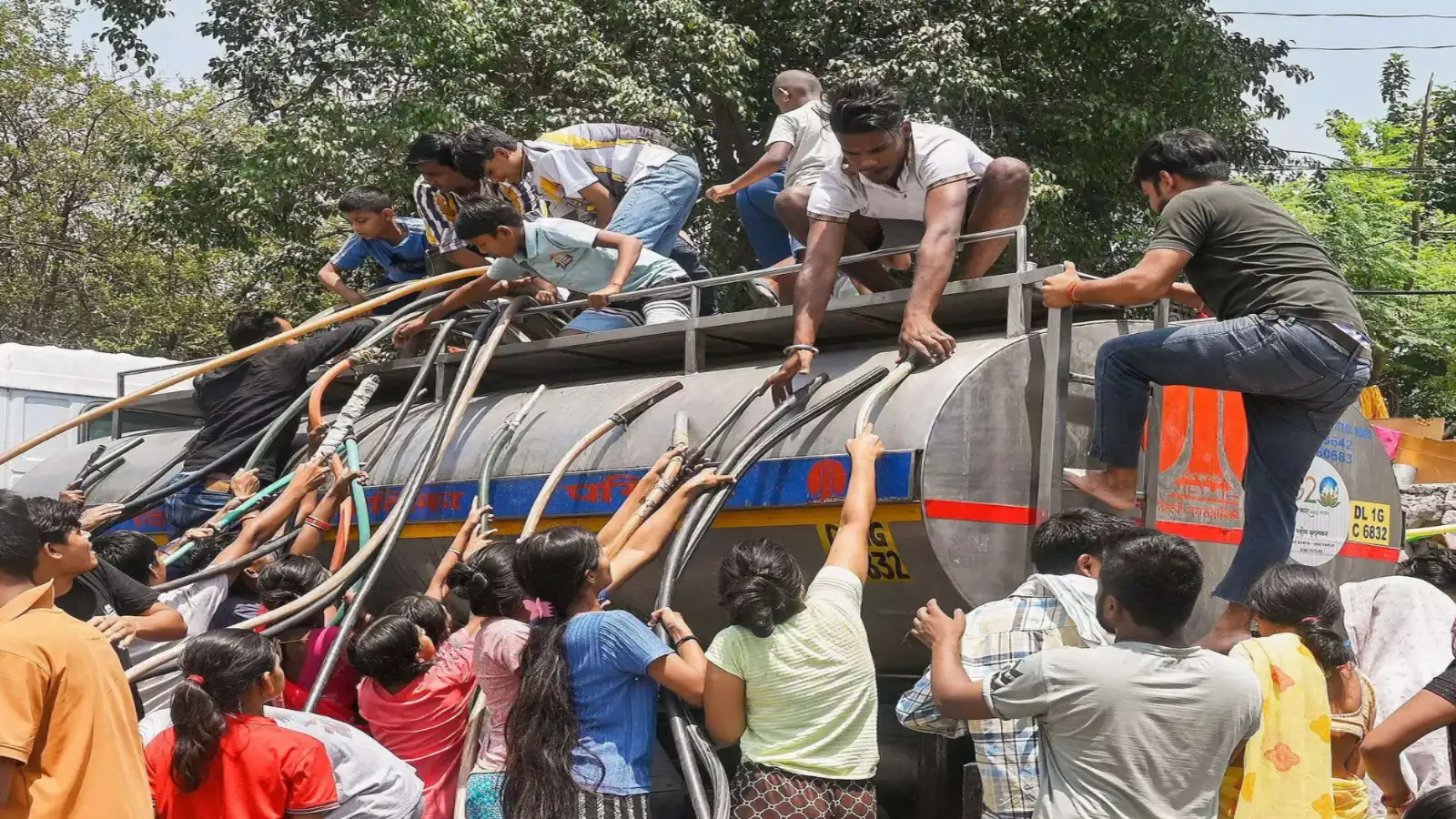
Facing recurring seasonal stress on urban utilities, the national capital has rolled out a Summer Action Plan aimed at stabilising water supply, improving distribution efficiency and integrating digital tools into service delivery. The initiative signals a shift towards more data-driven and decentralised management of water resources as demand rises with temperature and population growth. At the core of the Summer Action Plan is an effort to strengthen last-mile connectivity in the city’s water network. Authorities plan to deploy over a thousand tanker vehicles during peak demand periods, particularly in neighbourhoods that continue to face supply gaps due to uneven pipeline coverage. These tankers will be monitored through GPS-enabled systems, allowing real-time tracking and oversight of deliveries, a move intended to address longstanding concerns over inefficiencies and inequitable distribution.
To supplement the network, groundwater extraction is being expanded through the commissioning of several hundred additional tube wells. Officials indicate that this step is aimed at bridging immediate supply shortages in water-deficient zones while more permanent infrastructure upgrades are undertaken. Urban planners, however, note that such measures must be carefully balanced with long-term sustainability concerns, especially in cities already facing groundwater stress. Public access to drinking water is also being addressed through the planned installation of hundreds of automated dispensing units in high-footfall areas. These facilities are expected to improve availability for daily commuters and informal workers who may not have reliable access to piped supply, reflecting a more inclusive approach to urban service delivery. The Summer Action Plan also introduces a digital governance layer to water management. A mobile-based interface and AI-enabled systems are being developed to streamline complaint registration, track service delivery and improve coordination between field teams and administrative units.
Experts say such integration could significantly reduce response times while enhancing transparency in civic services. Parallel investments are being made in infrastructure reliability. Ageing pumps and electro-mechanical systems at treatment facilities are being upgraded to improve operational efficiency, while continuous monitoring of raw water quality is being intensified to prevent disruptions. These steps are particularly critical in a city where supply is vulnerable to fluctuations in river water quality and seasonal variability. Beyond immediate interventions, the plan aligns with a broader long-term vision for urban growth. With projections indicating a significant increase in housing and population density in the coming decades, authorities are working on expanding treatment capacity and planning future-ready infrastructure systems.
Urban development experts highlight that the Summer Action Plan reflects a growing recognition that water security is central to economic productivity, public health and climate resilience. As extreme weather patterns intensify and urban populations expand, the effectiveness of such integrated approaches will shape how cities manage scarce resources while ensuring equitable access for all residents.