


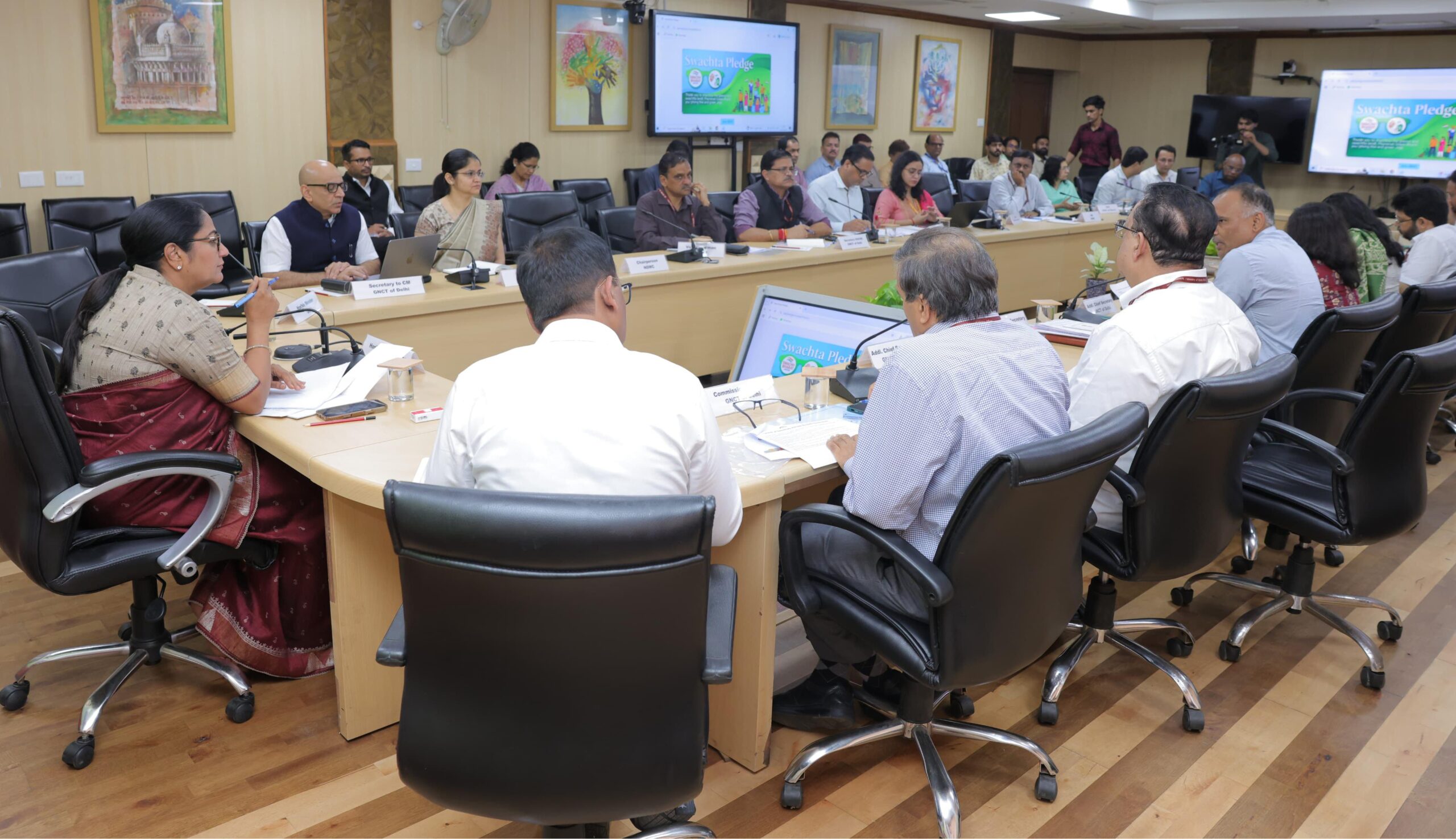
The Delhi Government has initiated a comprehensive month-long cleanliness campaign, “Delhi’s Freedom from Garbage – Cleanliness Drive,” commencing from August 1st. This ambitious initiative aims to mobilise city residents and various stakeholders in a concerted effort to enhance urban hygiene and waste management. The drive underscores a strategic commitment to transforming the capital into a more eco-friendly, sustainable, and equitable urban centre, aligning with global best practices for environmental governance and public health.
Chief Minister Rekha Gupta, in a high-level meeting, emphasised the critical importance of coordinated efforts across all government departments, alongside robust public participation. The campaign, which will run until August 31st, is designed to mark India’s Independence anniversary by fostering a collective sense of civic responsibility. This integrated approach is vital for addressing the multifaceted challenges of urban sanitation, ensuring that the benefits of a cleaner environment are universally accessible across all demographics.
A key component of the initiative is the active involvement of Resident Welfare Associations (RWAs), market associations, school and college students, and various community institutions. To facilitate and encourage citizen engagement, a dedicated online portal will be launched, allowing residents to upload ‘before and after’ photographs of cleaned sites. This digital mechanism not only promotes transparency and accountability but also empowers citizens to directly contribute to and witness the tangible improvements in their immediate surroundings, fostering a sense of ownership and collective achievement.
The campaign will target a wide array of urban spaces, with particular emphasis on residential areas, markets, schools, public spaces, government offices, and hospitals. Crucially, special measures are planned for slum areas, unauthorised colonies, and informal settlements, where a significantly higher volume of waste collection and disposal will be prioritised. This inclusive focus ensures that the cleanliness drive addresses historical disparities in sanitation services, promoting a more gender-neutral and equitable urban environment where every resident benefits from improved hygiene and living conditions.
Beyond immediate waste removal, the “Delhi’s Freedom from Garbage” campaign serves as a catalyst for long-term behavioural change and sustainable urban practices. By clearing long-accumulated waste and unused items, particularly from storerooms and industrial areas, the initiative implicitly promotes waste reduction and responsible disposal. Urban Development and Education Minister Ashish Sood highlighted the crucial role of students in spreading awareness, further embedding eco-conscious habits within the younger generation. Such sustained efforts are essential for Delhi’s journey towards becoming a zero-net-carbon city, where efficient waste management contributes to overall environmental health and resource efficiency.
Chief Minister Gupta also took the opportunity to highlight the dire conditions of some government offices, including the Women and Child Development (WCD) Office at ISBT Kashmere Gate, which she personally inspected. She expressed dismay at the lack of basic amenities and maintenance, criticising previous administrations for neglecting essential infrastructure while allegedly prioritising other expenditures. Gupta pledged to ensure the construction of new, conducive offices for all departments, aiming to create a better working environment and provide adequate workstations to facilitate effective governance. This commitment extends to finding a location for an entirely new sector of Delhi to accommodate all departments, signalling a holistic approach to improving public service delivery.
This comprehensive, citywide mobilisation reflects a strong political will to elevate Delhi’s urban living standards. By fostering active citizen participation and inter-departmental synergy, the campaign aims to instill a lasting culture of cleanliness, moving beyond a mere government initiative to a fundamental civic duty. Such concerted efforts are indispensable for building a resilient, healthy, and prosperous metropolis that stands as a model for sustainable urban development in India and beyond.
Also Read: Kerala Awards 125 MW/500 MWh BESS Projects To NTPC, Opera, Tata
