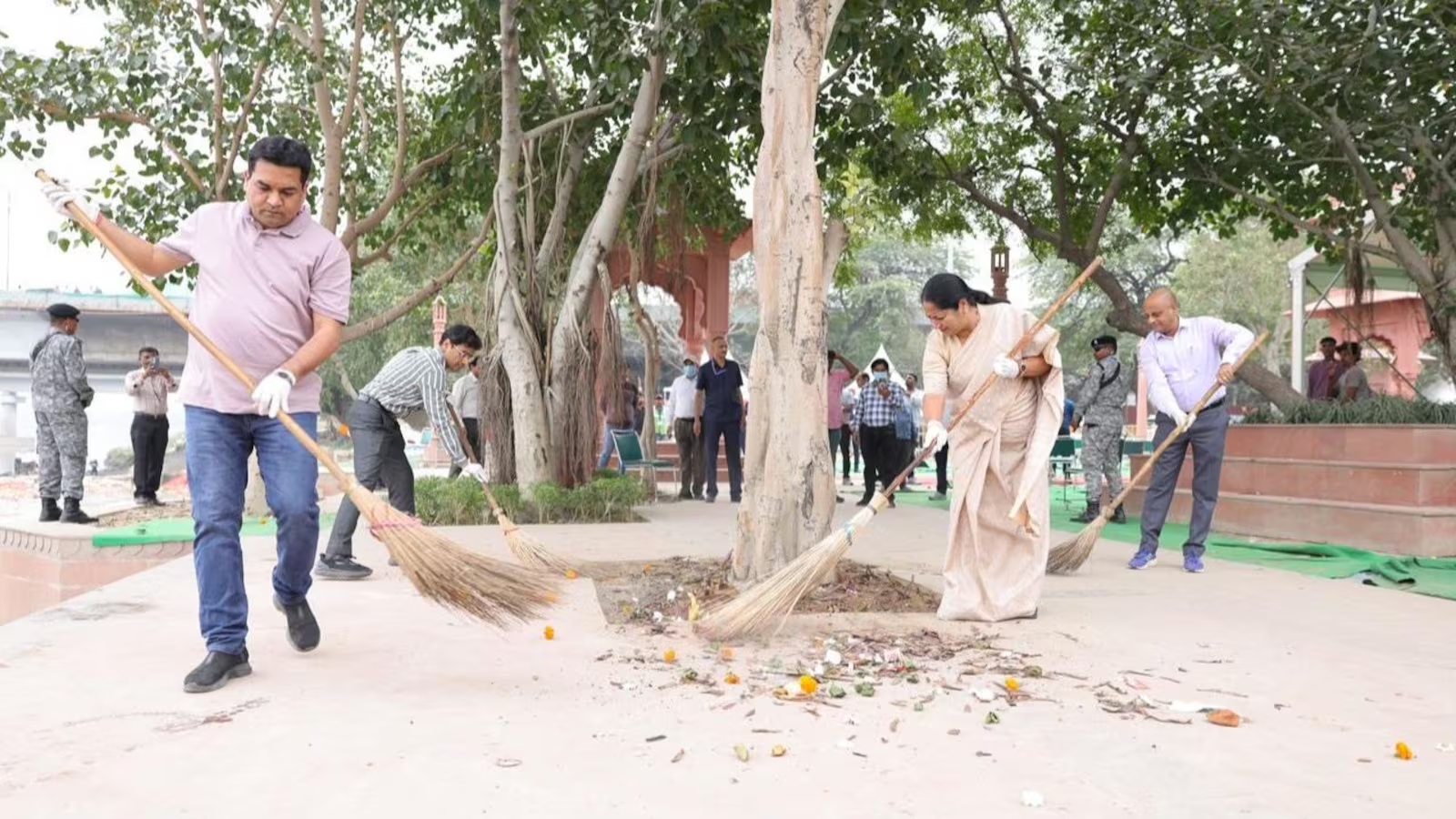
New Delhi has kickstarted an extensive post-Chhath sanitation campaign aimed at restoring the city’s riverbanks and public spaces after the four-day festival. The city’s administration launched a large-scale clean-up operation at Vasudev Ghat on the Yamuna, underscoring its commitment to environmental preservation and sustainable civic management.
The initiative, spearheaded by the state leadership along with the Municipal Corporation of Delhi (MCD), follows the conclusion of Chhath Puja one of the most significant festivals for millions of devotees across the capital. According to officials, more than 1,100 ghats were included in the sanitation operation, where special MCD teams were deployed to remove waste generated during the festivities.
Senior officials from the MCD’s sanitation wing confirmed that over a thousand workers were mobilised across all 12 administrative zones to ensure prompt waste removal and disinfection of public spaces. These teams began operations in the early hours after the puja concluded, targeting heaps of floral offerings, plastic bottles, discarded diyas and other solid waste materials that had accumulated near water bodies and temporary ghats.
During the symbolic launch at Vasudev Ghat, the city’s top representatives actively participated in the drive collecting litter and sweeping the ghat area to promote civic responsibility among residents. Officials from the city’s tourism and environment departments also joined the campaign to highlight the link between cultural festivities and ecological sustainability.An official from the environment department said the post-festival clean-up drive was not just a civic duty but also a reflection of the government’s broader goal to create a zero-waste, pollution-free capital. The campaign aligns with Delhi’s “Clean Yamuna” initiative, which aims to revive the river ecosystem through community participation and integrated waste management strategies.
Experts in urban governance noted that such drives play a vital role in building public awareness about responsible celebration practices. They emphasised that large religious gatherings, while culturally rich, must transition towards eco-friendly rituals and waste segregation at source to prevent long-term environmental degradation.The MCD plans to scale up the initiative by introducing mechanised cleaning vehicles, decentralised composting units, and enhanced waste transport infrastructure. Officials also mentioned that they are exploring partnerships with environmental groups and non-governmental organisations to develop permanent waste collection systems near major ghats.This year’s campaign reflects a growing urban consciousness that sustainability begins with collective civic action. By turning a festival clean-up into a movement for environmental accountability, the city’s administration is taking a decisive step toward creating a cleaner, greener and more inclusive Delhi.
Delhi Launches Massive Post Chhath Clean-Up Drive At 1100 Ghats