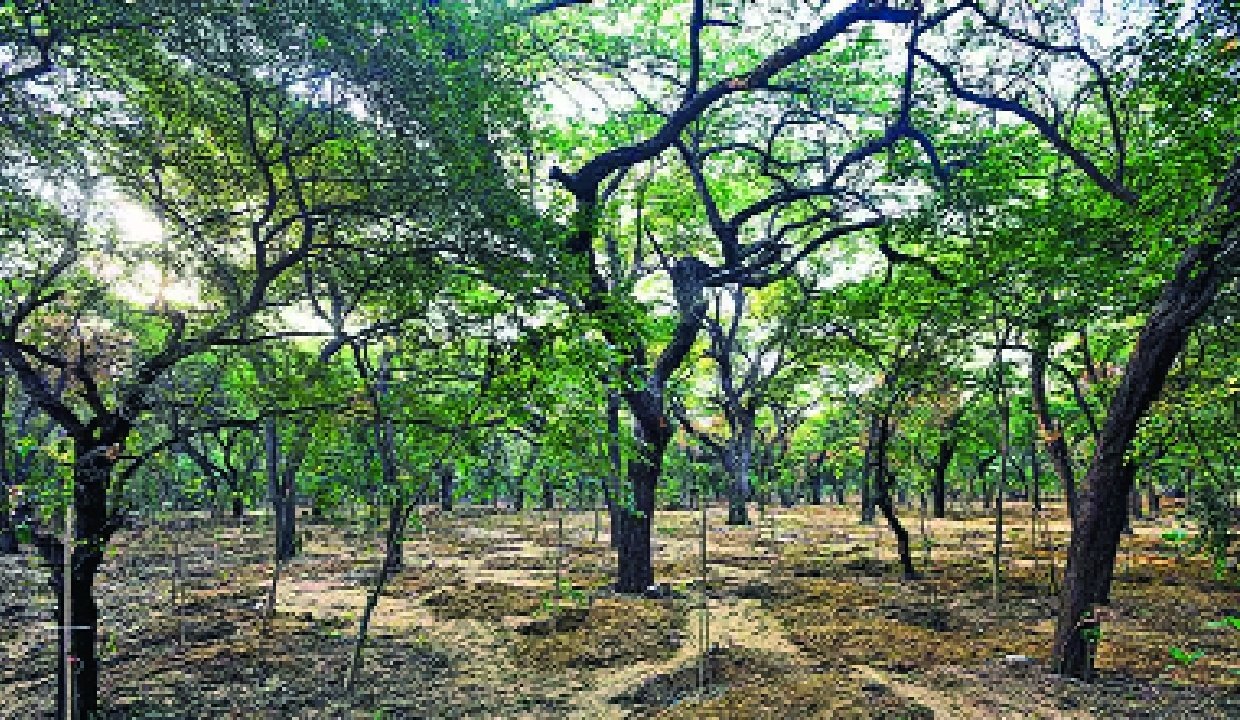
Delhi Launches Long Term Forest Restoration Strategy
Delhi has prepared its first comprehensive long-term framework aimed at rebuilding degraded forest ecosystems across the capital, with authorities outlining a decade-long Delhi forest restoration plan intended to gradually replace invasive tree species with native vegetation. Developed through scientific assessment and ecological mapping, the strategy focuses on restoring key landscapes including the Aravalli ridge, the Yamuna floodplain and numerous smaller forest patches spread across the city. Officials involved in the planning process say the objective is not merely increasing tree numbers but rebuilding functioning forest ecosystems capable of sustaining biodiversity and improving environmental resilience in a densely urbanised region.
Environmental assessments conducted for the Delhi forest restoration plan indicate that invasive tree species have come to dominate large sections of the capital’s forest areas. Species such as Prosopis juliflora, eucalyptus and Leucaena leucocephala together account for a substantial share of the existing forest canopy. These trees, introduced historically for quick greening or fuelwood, have gradually displaced native vegetation, altered soil conditions and reduced habitat diversity for wildlife. To address the problem, the proposed strategy calls for phased removal of these species across multiple forest sections over a ten-year period. Restoration will be undertaken gradually so that no large forest tract is cleared at once. Ecological planners suggest limiting removal to a small portion of each forest block annually, allowing canopy cover and soil stability to remain intact while regeneration occurs. Areas cleared of invasive vegetation are expected to be replanted with indigenous species suited to Delhi’s dry forest ecosystems. Experts note that mixed plantations containing trees, shrubs and grasses will be encouraged to replicate natural forest structure and provide habitat for birds, insects and small mammals. However, the Delhi forest restoration plan has also triggered debate within the ecological community due to its proposal to explore biological control methods to weaken invasive plant populations. The technique involves introducing specific insects or microbial agents that feed on or infect invasive species.
While such approaches have been used in certain international restoration programmes, some environmental specialists caution that introducing new organisms into a fragile ecosystem may carry unintended consequences. Urban ecologists argue that invasive plants already pose a major threat to biodiversity in the capital’s forest landscapes, particularly in the ridge areas where natural regeneration of native species remains weak. Field assessments show that several forest zones display limited natural regeneration, suggesting ecological stress caused by dense invasive growth and degraded soil conditions. Beyond vegetation management, the restoration programme proposes wider ecological improvements such as soil and water conservation, habitat corridors connecting fragmented forest patches and restoration of wetland vegetation along river systems. Measures like water harvesting structures, biodiversity monitoring and wildlife support infrastructure are also part of the plan. Urban planners emphasise that the success of the Delhi forest restoration plan will depend on careful implementation and long-term monitoring. If executed effectively, the initiative could strengthen the capital’s ecological buffers, improve air quality and contribute to climate resilience in a rapidly expanding metropolitan landscape.
As Indian cities increasingly confront environmental pressures linked to urban growth, Delhi’s approach may offer an early model for integrating ecological restoration into long-term urban planning.