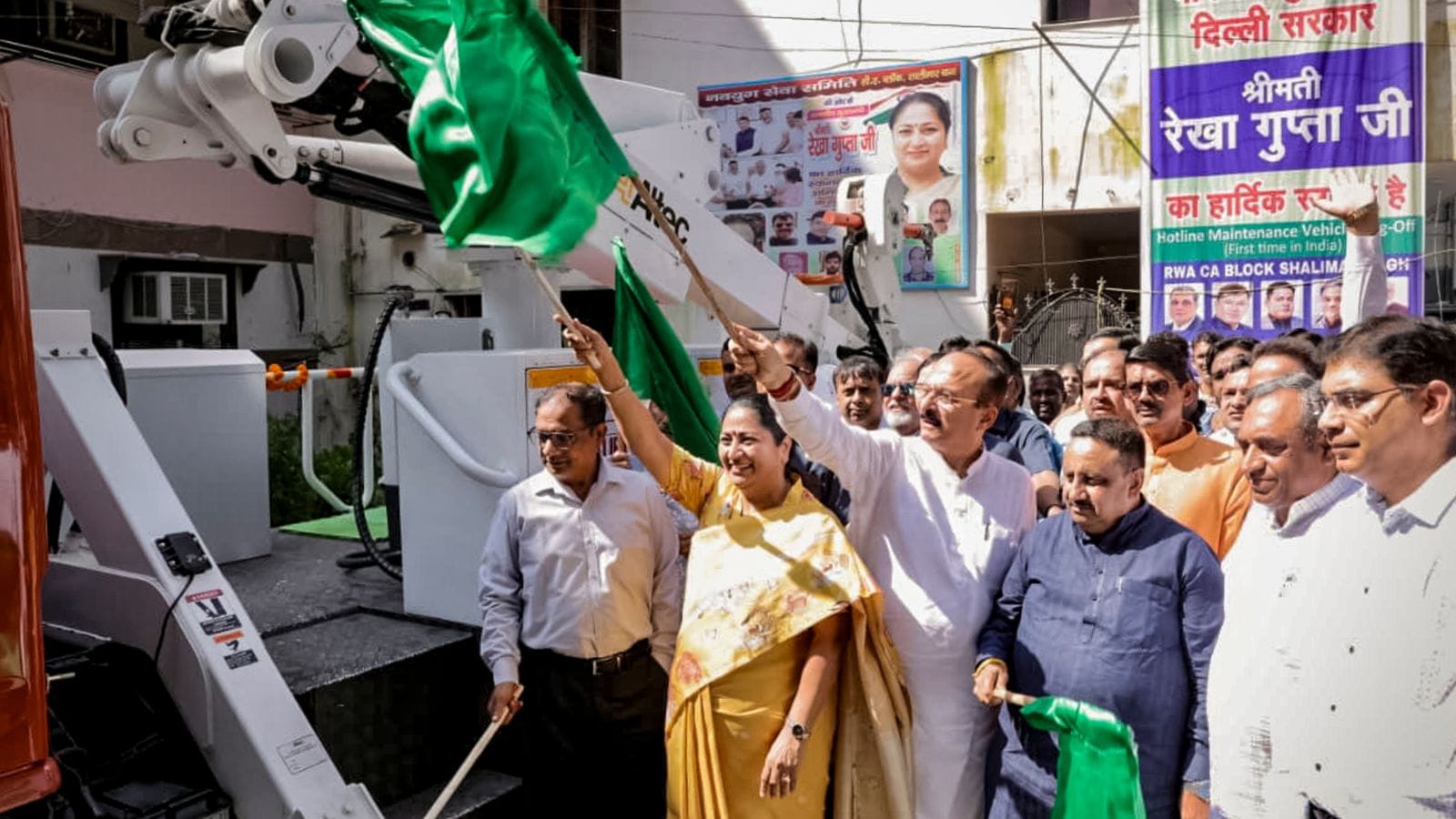
Delhi has taken a decisive step towards building a more resilient and sustainable energy ecosystem with the launch of its first hotline maintenance vehicle, capable of repairing electrical lines without interrupting supply. The initiative is seen as a pioneering development in India’s power infrastructure, setting the tone for modernisation and efficiency in urban utility management.
The vehicle, procured at an investment of ₹1.5 crore, has been introduced by a leading distribution company operating in North Delhi. It will enable technical teams to perform live-line repairs safely, reducing power cuts and ensuring uninterrupted supply for households and businesses. Officials emphasised that such technology is being introduced in India for the first time, highlighting its potential to redefine urban electricity services.The launch coincides with a wider campaign to modernise Delhi’s public infrastructure. Nearly 44,000 conventional sodium vapour streetlights across the city are scheduled to be replaced with energy-efficient LED lights before Diwali. Authorities noted that this transition will not only reduce energy consumption but also contribute towards the city’s broader net-zero ambitions, making public spaces brighter, safer, and more sustainable.
Alongside these measures, the government announced the redevelopment of the Munak Canal, one of Delhi’s crucial water lifelines. With a redevelopment plan estimated at ₹5,000 crore, the project will involve the installation of safety rails, strict waste management, and regular cleaning of the water body. An official stated that discussions with neighbouring state authorities are underway to finalise the canal’s long-term upkeep, ensuring sustainable water management for the capital.Complementing these energy and water infrastructure upgrades, the administration also inaugurated new reservoirs, tubewells, and booster pumps in North Delhi to strengthen local water supply. High-mast lighting and new road connectivity projects have also been flagged off, reflecting a broader vision of inclusive and equitable urban development.
Urban planning experts believe that these developments signal a shift towards integrated infrastructure where sustainability, technology, and public convenience converge. The hotline repair vehicle in particular is expected to reduce downtime in critical services such as hospitals, businesses, and public transport, thereby boosting economic efficiency. The replacement of streetlights with LEDs is further projected to cut emissions significantly, aligning with India’s climate action goals.While the long-term success of these projects will depend on consistent funding, transparent execution, and inter-state cooperation, Delhi’s latest initiatives mark a forward-looking approach to urban infrastructure. By embedding eco-friendly technologies into everyday systems like lighting, water supply, and electricity maintenance, the city is moving closer to its aspiration of becoming a zero-carbon, equitable metropolis.