


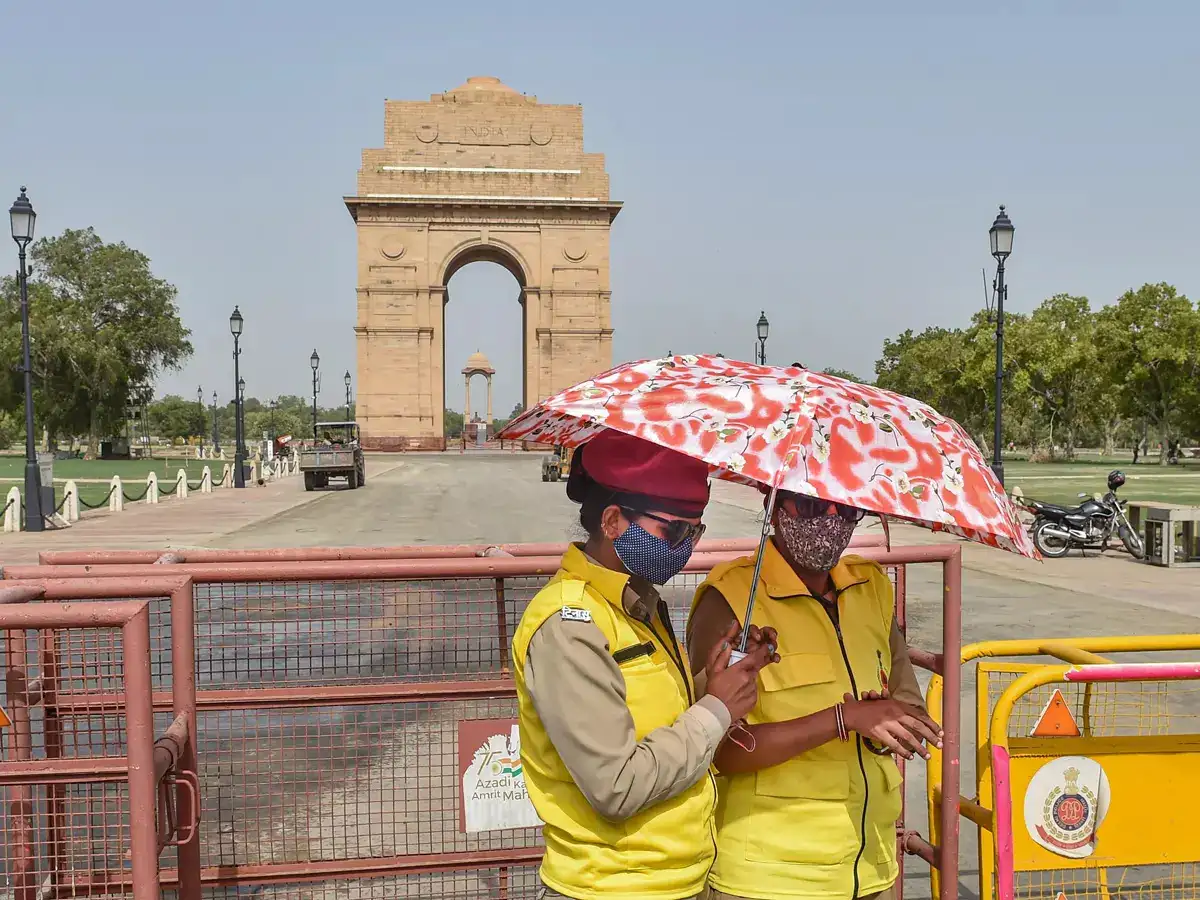
The Delhi government has announced the installation of 3,000 smart water dispensers across the city. As part of its climate-responsive Heat Action Plan, the initiative aims to provide free, chilled, and purified water at major public locations — particularly benefiting daily commuters, informal workers, and economically vulnerable communities during extreme heat.
The machines, launched under the Delhi Jal Board’s CSR framework, are being rolled out in phases, beginning with high-footfall zones like inter-state bus terminals and market hubs. Each unit can dispense up to 800 litres of RO-filtered water daily, with an hourly capacity of 100 litres. Equipped with advanced artificial intelligence systems and footfall-monitoring cameras, these dispensers will allow the government to map water demand patterns and streamline future placements with real-time insights.
Beyond its technological credentials, the programme embodies a shift towards inclusive and climate-resilient urban infrastructure. By offering uninterrupted access to cold drinking water, the scheme supports both public health and socio-environmental equity — critical concerns in a city grappling with rising heatwaves and widening urban gaps. Notably, the project serves as a blueprint for how smart interventions can address both sustainability and basic human needs in fast-growing urban environments. The capital’s Heat Action Plan also involves setting up cool roof shelters, shaded waiting areas, and wider public awareness on heat safety. The water dispenser programme complements these efforts, contributing to reduced dependency on plastic-packaged water, and reinforcing Delhi’s roadmap towards low-carbon, gender-neutral and citizen-first urban solutions. By integrating sustainability with social utility, the city takes a step closer to climate-conscious urban living one drop at a time.
As the deployment gathers pace, all eyes are on whether Delhi can maintain the momentum and deliver consistent service across regions. With rising climate risks looming over India’s urban future, this model may soon be indispensable — not just for Delhi, but for other state capitals navigating the complexities of equitable urban cooling and water access.
Also Read :New Delhi Faces Higher Heat Index With Rising Humidity
Delhi launches heat relief plan with 3000 smart water dispensers citywide
