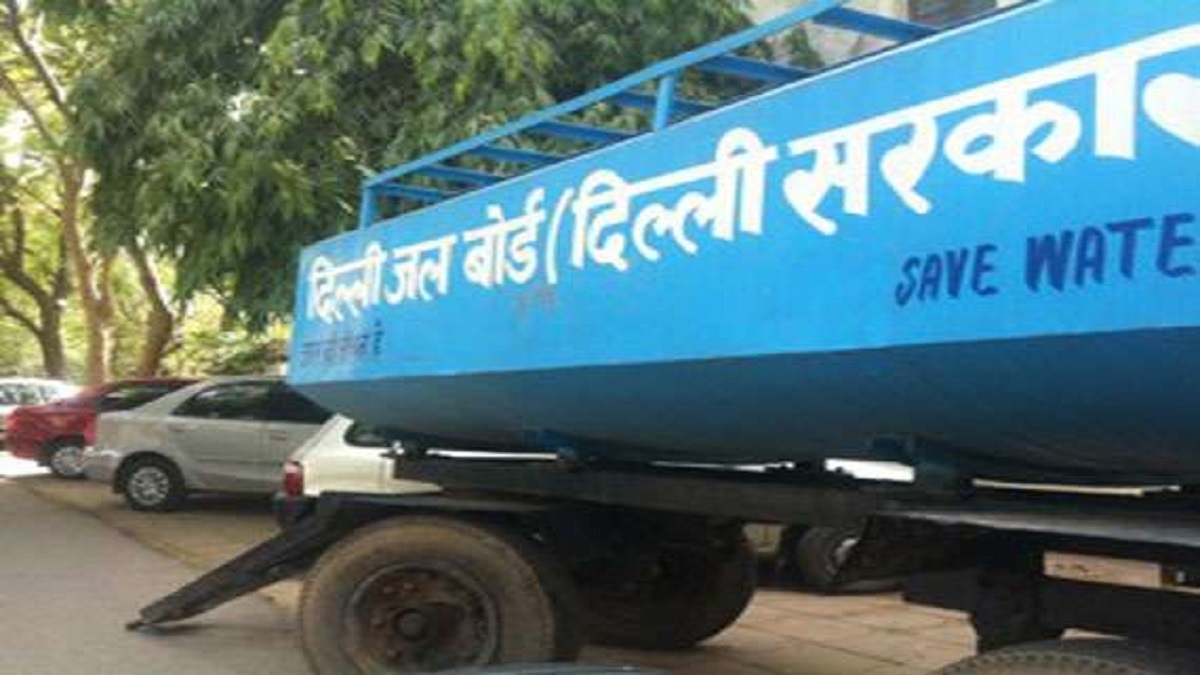
Delhi Jal Board Water Supply Ordered For Farmhouses
A long-running civic dispute over access to piped water in a farmhouse community on the southern edge of the national capital has moved toward resolution after a judicial intervention prompted the city’s utility to initiate supply arrangements. The development came after the Delhi High Court recorded an assurance from authorities that Delhi Jal Board water supply would be extended to residents of a private housing cluster in the Rajokri–Rangpuri belt near Vasant Kunj.The matter reached the court through a petition alleging that earlier directions requiring the city’s water agency to provide a connection had not been implemented within the prescribed timeline. Residents of the gated farmhouse development argued that the absence of piped water had forced them to rely on private tanker services despite paying significant property taxes.
Legal representatives for the resident association informed the court that multiple judicial instructions issued over the past year had not translated into operational water connections on the ground. They contended that the delay effectively deprived households of a basic civic service that is normally part of the municipal utility network in urban areas. Officials representing the city’s water utility, however, informed the court that the agency was prepared to begin Delhi Jal Board water supply to the residential complex once statutory charges and procedural requirements were fulfilled. Following this undertaking, the petitioner society indicated its willingness to close the contempt proceedings provided water services were initiated without further delay. Taking note of the assurances placed on record, the court concluded the proceedings while directing that the agreed arrangement be implemented. The dispute highlights the complex infrastructure challenges associated with Delhi’s expanding urban periphery, where several high-value residential enclaves have developed on land historically classified as rural or agricultural. Such areas often fall outside conventional municipal infrastructure networks, leading to disputes over access to water supply, sewerage connections and other civic services.
Urban planners say the case illustrates a broader governance challenge in fast-growing metropolitan regions. As city boundaries blur and rural land transitions into residential developments, utilities must decide how and when to integrate such settlements into formal service networks. This process often requires upgrades to pipelines, pumping systems and distribution infrastructure, particularly in areas that were not originally planned for dense habitation. Water supply in Delhi already operates under significant pressure due to rising population demand, limited raw water availability and ageing distribution systems. Extending services to newly urbanised pockets therefore requires careful planning to ensure that existing supply zones are not adversely affected. Experts say improving clarity in land-use planning and infrastructure provisioning could reduce such conflicts in the future. Coordinated urban development policies, they argue, are essential for ensuring that access to water — one of the most critical urban services remains equitable and reliable as cities expand.
For residents in the farmhouse enclave, the implementation of Delhi Jal Board water supply is expected to replace dependence on tanker deliveries and bring the area under the city’s formal water distribution network.
Delhi Jal Board Water Supply Ordered For Farmhouses