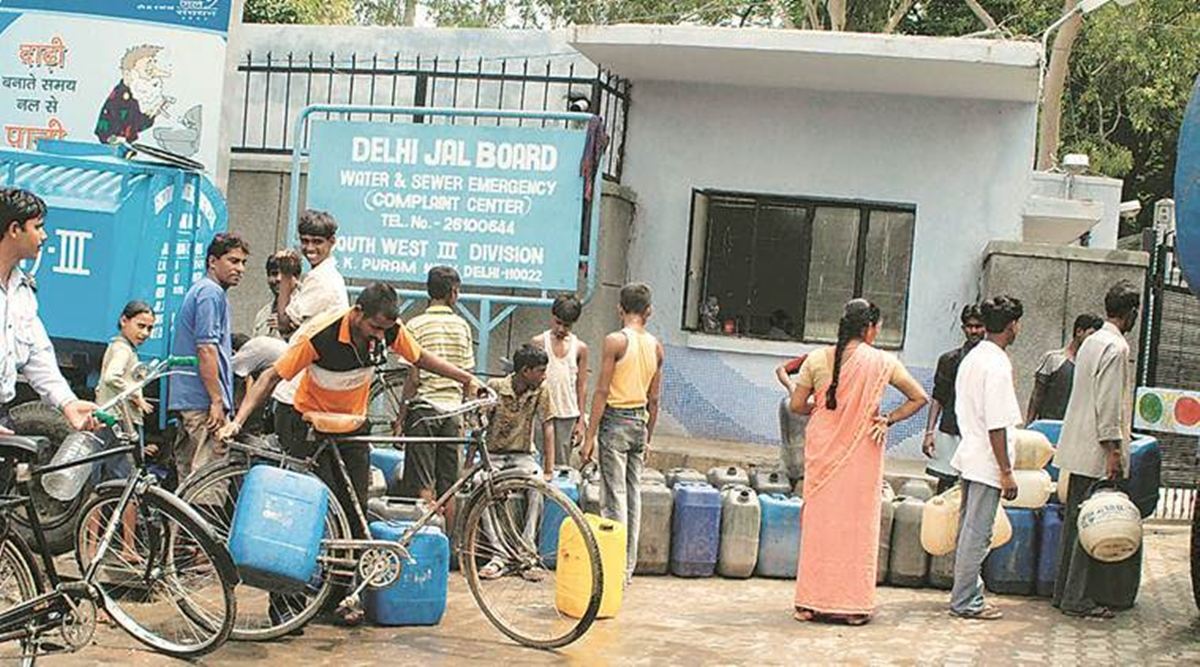
Delhi is preparing to expand its groundwater extraction infrastructure as rising household water connections increase pressure on the city’s supply system. The Delhi Jal Board tubewell expansion plan proposes adding more than 400 new tubewells this year, part of a broader strategy to maintain water availability during peak summer demand. Officials involved in the planning process said the move reflects a steady rise in the number of homes connected to the city’s piped water network. According to recent government data, household connections grew from about 2.83 million in 2023–24 to nearly 2.9 million in the following year, signalling expanding urban coverage as residential development continues across the capital.
Under the proposed Delhi Jal Board tubewell expansion, the total number of operational tubewells in the city would increase from 5,834 to roughly 6,290. The additional wells are expected to contribute an estimated 10 million gallons of water per day to Delhi’s supply system, offering supplementary capacity during the high-demand summer months. Water planners say the expansion forms part of the city’s annual summer preparedness programme, which focuses on strengthening supply infrastructure before temperatures rise. Authorities are targeting an overall water production level of about 1,002 million gallons per day during the upcoming summer season. Despite improvements in the city’s piped distribution network—now covering more than 93 percent of households—Delhi continues to depend on a combination of river water, treatment plants, and groundwater extraction to meet demand. Rapid population growth, new housing clusters, and expanding urban infrastructure have increased daily water consumption across many parts of the capital. Urban water specialists say that while tubewells can help stabilise supply in the short term, long-term planning must also focus on sustainable groundwater management.
Excessive extraction without adequate recharge measures could further strain aquifers already under pressure in many parts of the National Capital Territory. The planned tubewells will be distributed across multiple locations, particularly in neighbourhoods where supply gaps persist. Areas identified for installation include Pappankalan, Bhalswa, Yamuna Vihar, Sanjay Lake, Kakrola, Jaitpur, South Burari, and several ecological zones along the Yamuna floodplain. A large share of the proposed installations is also planned in the Palla region, which sits along the upper Yamuna basin. Authorities are also exploring groundwater extraction opportunities near the Najafgarh Lake region, although these proposals would require environmental clearances before any installation can proceed. Urban planners note that Delhi’s water security challenge highlights the need for diversified supply sources. In addition to groundwater, experts say the city must expand rainwater harvesting, wastewater recycling, and surface water treatment to reduce long-term dependency on aquifers.
For residents, the immediate priority remains reliable access during the summer months, when demand typically spikes. Officials say the Delhi Jal Board tubewell expansion is intended to prevent shortages in water-deficient areas while the city continues to invest in long-term infrastructure upgrades aimed at building a more resilient urban water system.