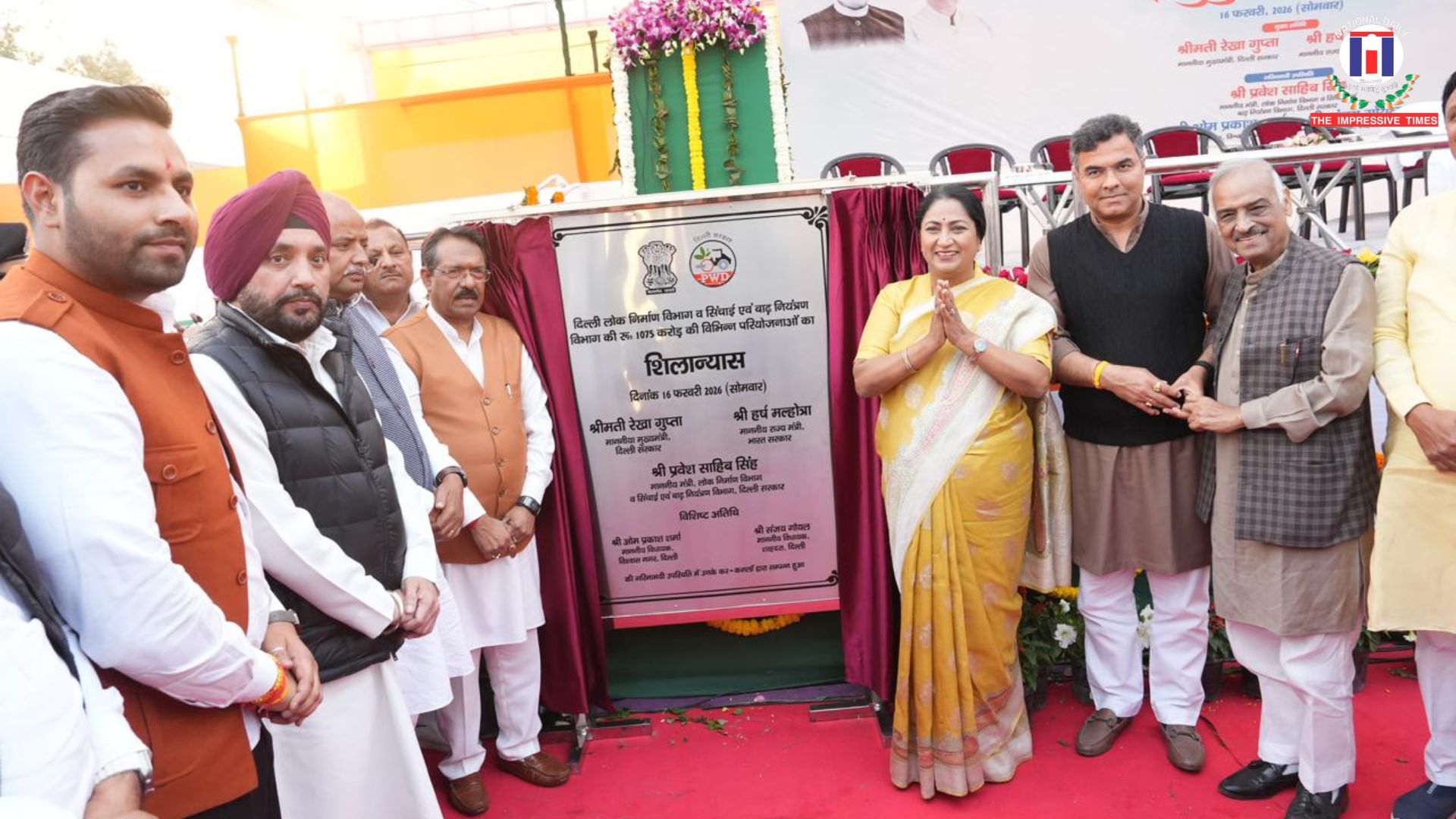
Delhi has cleared infrastructure works worth ₹1,075 crore in its eastern districts, combining road upgrades with flood control measures in a bid to reduce congestion and tackle chronic waterlogging. The projects, centred around Vivek Vihar and adjoining neighbourhoods, are positioned as part of a broader strategy to rebalance infrastructure investment across the Yamuna and strengthen climate resilience in densely populated areas.
The programme includes corridor improvements aimed at easing traffic bottlenecks that have long constrained mobility between residential colonies and commercial hubs. Officials said enhanced junction design, carriageway strengthening and better traffic flow management form a core component of the initiative. Five pedestrian foot overbridges are also planned, with a separate allocation of approximately ₹21 crore, to improve safety on high-speed stretches and reduce conflict between vehicles and walkers.
A significant portion of the funding about ₹272 crore has been earmarked for irrigation and flood control interventions. These include reconstruction of ten drains, upgrades to three others, construction of boundary walls and the development of 18 roads and small bridges. Engineers involved in the planning said integrating drainage with road design is critical to preventing surface water accumulation during heavy rainfall events. Urban planners note that East Delhi’s low-lying topography and high built density have historically made it vulnerable to monsoon flooding. Inadequate stormwater management has often resulted in traffic paralysis, property damage and public health risks. Strengthening drains and reinforcing embankments can therefore yield both mobility and resilience benefits.
\
At the launch event, the chief minister emphasised adherence to timelines and tighter monitoring frameworks, signalling a shift towards execution discipline. Senior officials have been directed to track progress against defined milestones, reflecting a growing emphasis on accountability in urban capital works. Infrastructure economists observe that investment in transport and drainage networks can influence property values and commercial activity. Improved road quality reduces travel time and vehicle operating costs, while flood mitigation lowers insurance and maintenance risks for homeowners and businesses. For East Delhi, where real estate prices have traditionally lagged central zones, infrastructure certainty could narrow development disparities.
The broader policy thrust also seeks to address the historic divide between neighbourhoods on either side of the Yamuna. Balanced capital expenditure, urban experts argue, is essential to prevent uneven growth patterns that strain civic services and exacerbate commuting burdens. While road expansion alone cannot resolve Delhi’s congestion challenges, integrating traffic management with climate-adaptive drainage systems marks a more holistic approach. The long-term impact will depend on sustained maintenance and coordination between departments responsible for transport, flood control and urban planning.
If executed to schedule and technical standards, the ₹1,075 crore programme may offer East Delhi residents smoother commutes, safer crossings and reduced exposure to seasonal flooding outcomes that extend beyond infrastructure into everyday urban liveability.
Delhi Invests In East Delhi Infrastructure