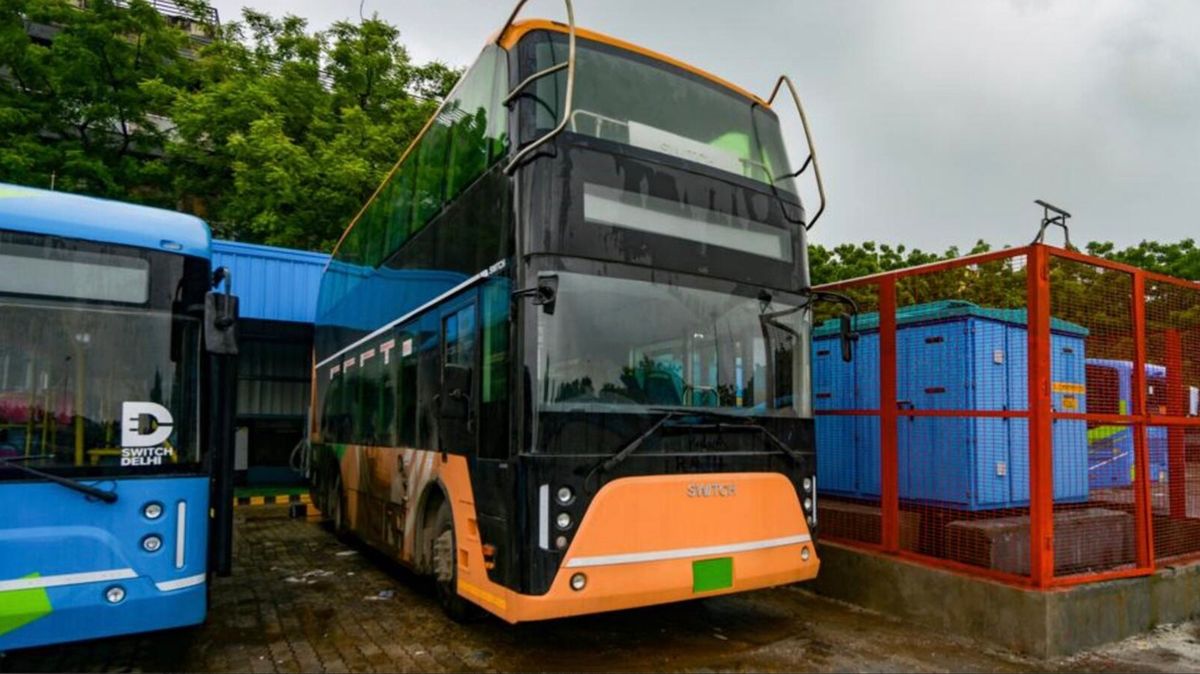
Delhi is set to welcome back its iconic double-decker buses, this time in a fully electric avatar, marking a significant move towards sustainable urban transport. The initiative, spearheaded by the tourism department in collaboration with Ashok Leyland, aims to provide eco-friendly city tours connecting major heritage and civic landmarks. Tickets are expected to be priced at Rs 500 for adults and Rs 300 for children.
The 9.8-metre-long, 4.75-metre-high buses can accommodate over 63 passengers and are designed to operate efficiently within Lutyens’ Delhi, navigating streets without interference from overhead wires or low-hanging trees. According to a senior official, the buses will operate evening tours starting from the Prime Minister Museum, proceeding to destinations such as Bharat Mandapam, the National War Memorial, Dilli Haat, and the new Parliament complex. Each vehicle will be visually adorned with images of key city landmarks, offering passengers a curated glimpse of Delhi’s heritage.An onboard guide will narrate the historical and cultural significance of each site, enhancing the educational value of the tour. “This project targets both international tourists and domestic visitors seeking immersive city experiences while promoting low-carbon transport solutions,” the official added. The initiative aligns with Delhi Chief Minister Rekha Gupta’s broader vision of a green, sustainable tourist circuit, which was outlined in the recent budget speech.
The revival of double-decker buses reflects lessons learned from earlier models like the ‘Suvidha buses’, which were retired in 1989 due to an ageing fleet. The tourism department had previously explored a hop-on hop-off (Ho-Ho) bus model, but high traffic volumes and operational challenges limited its feasibility. The new electric buses are strategically designed to address these constraints, providing a targeted, sustainable alternative to conventional city tours.Urban mobility experts highlight the project as a step toward integrating low-emission public transport with tourism. “Electric double-decker buses offer a dual benefit reducing carbon emissions while enhancing visitor engagement with the city’s built environment,” said an industry observer.
The project also demonstrates how civic infrastructure can blend functionality, sustainability, and cultural preservation, particularly in historic urban districts.
As Delhi continues to expand its low-carbon mobility options, the electric double-decker initiative serves as a model for other metropolitan cities looking to balance urban growth with environmental stewardship. The pilot route is expected to be flagged off within the month, following final approvals from the chief minister’s office.
Delhi Introduces Electric Double Decker Buses For Tourists At Rs 500 Tickets